
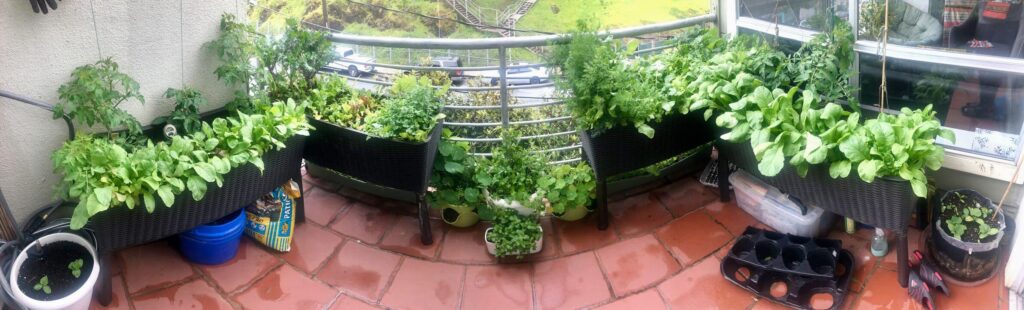
Creating a Vertical Garden on Your Balcony: A Guide to Growing Herbs and More
If you’re looking for a way to have fresh produce at your fingertips all year round, creating a small vertical garden on your balcony is an excellent idea. This space-saving method allows you to grow herbs, fruits, and vegetables in a compact area, making it perfect for city dwellers or anyone with limited outdoor space.
The Benefits of Balcony Gardening
Before we dive into the nitty-gritty of building a vertical garden on your balcony, let’s explore the benefits of this type of gardening. Not only can you enjoy fresh produce year-round, but balcony gardens also provide several other advantages:
- Reduced carbon footprint: By growing your own food, you’ll need to transport less produce from farms to your doorstep.
- Increased food security: With a vertical garden on your balcony, you’ll have access to fresh produce even during times of scarcity or natural disasters.
- Improved mental health: Gardening has been shown to reduce stress levels and improve mood.
Challenges of Balcony Gardening
While balcony gardening is an excellent way to grow food, it’s not without its challenges. Here are a few things to consider:
- Limited space: Balconies often have limited room for plants, which can make it difficult to grow a diverse range of crops.
- Harsh weather conditions: Balcony gardens are exposed to the elements, which can be challenging for certain types of plants.
- Pests and diseases: With so many plants growing in close proximity, pests and diseases can quickly spread.
Choosing the Right Plants
When it comes to selecting plants for your vertical garden, there are several options to consider. Here are a few popular choices:
- Herbs: Basil, mint, cilantro, and parsley are all excellent choices for balcony gardens.
- Leafy greens: Lettuce, kale, spinach, and arugula are all great options for salads and smoothies.
- Tomatoes: Cherry tomatoes and patio tomatoes are both compact varieties that thrive in containers.
Creating a Vertical Garden
Now that we’ve covered the basics of balcony gardening, let’s talk about creating your own vertical garden. Here are some tips to get you started:
- Choose the right container: Select a container that is at least 6-8 inches deep and has good drainage holes.
- Select the right plants: Choose plants that are compact or dwarf varieties, which are specifically bred for containers.
- Use a trellis or support system: Provide support for climbing plants like tomatoes and peas to keep them from getting too leggy.
- Keep it watered: Water your plants regularly, but avoid overwatering, which can lead to root rot.
DIY Projects
If you’re feeling crafty, there are several DIY projects you can try to enhance your balcony garden:
- Self-watering planters: Add a self-watering system to your containers to reduce watering frequency.
- Grow lights: Supplement your natural light with grow lights for added growth and flavor.
Tips for Beginners
If you’re new to balcony gardening, here are some additional tips to keep in mind:
- Start small: Begin with a few plants and gradually expand as you gain experience.
- Research local regulations: Check with your local government to see if there are any regulations or restrictions on balcony gardens.
- Be patient: Balcony gardens can take time to establish, so be patient and enjoy the process.
Common Mistakes to Avoid
When creating a vertical garden, there are several common mistakes to avoid:
- Overwatering: Make sure to check the soil moisture regularly and avoid overwatering, which can lead to root rot.
- Insufficient light: Ensure that your plants receive adequate light, either from natural sources or supplemental lighting.
- Lack of support: Provide support for climbing plants to prevent them from getting too leggy.
Conclusion
Creating a vertical garden on your balcony is a fantastic way to enjoy fresh produce year-round. By choosing the right plants, creating a well-draining container, and providing support for climbing plants, you’ll be harvesting delicious herbs and greens in no time. Happy gardening!
Frequently Asked Questions
- What are the best plants for a balcony garden?
- Herbs like basil, mint, and cilantro are excellent choices.
- How often should I water my plants?
- Check the soil moisture regularly, and water when necessary to avoid overwatering.
- Can I grow tomatoes in a container?
- Yes, cherry tomatoes and patio tomatoes are both compact varieties that thrive in containers.
- What’s the best way to support climbing plants?
- Use a trellis or other support system to keep climbing plants from getting too leggy.
- Can I use regular potting soil for my balcony garden?
- No, regular potting soil can be too dense and may retain too much water. Instead, choose a well-draining mix specifically designed for containers.
About the Author
Michele Ciceri is a gardening expert with years of experience creating vertical gardens on balconies around the world. When he’s not writing or tending to his own garden, Michele enjoys experimenting with new recipes and sharing his knowledge with others.
Additional Tips
Here are some additional tips for creating a successful balcony garden:
- Monitor temperature: Make sure your plants are in a spot that is protected from extreme temperatures.
- Fertilize regularly: Use a balanced fertilizer to promote healthy growth.
- Prune regularly: Prune your plants to maintain shape and encourage new growth.
Conclusion
Creating a vertical garden on your balcony is an excellent way to grow fresh produce year-round. With the right plants, containers, and support systems, you can enjoy delicious herbs and greens in no time. Happy gardening!
Common Pests and Diseases
When creating a vertical garden, there are several common pests and diseases to watch out for:
- Aphids: These tiny insects feed on plant sap and can spread disease.
- Whiteflies: These small insects feed on plant sap and can transmit disease.
- Spider mites: These tiny arachnids feed on plant sap and can cause yellowing leaves.
- Root rot: This fungal disease can cause roots to rot, leading to plant death.
To prevent pests and diseases, make sure to:
- Inspect your plants regularly
- Use organic pest control methods whenever possible
- Practice good hygiene and sanitation
Conclusion
Creating a vertical garden on your balcony is an excellent way to grow fresh produce year-round. By choosing the right plants, containers, and support systems, you can enjoy delicious herbs and greens in no time. Happy gardening!


