
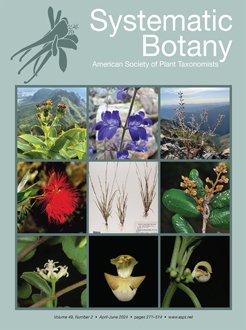
As we wander through nature, it’s easy to take for granted the complexity and diversity of plant life on our planet. However, without the botanical systematics, we would have already lost count of the numerous types of plants we’ve encountered over the centuries. This branch of botany is essential for preserving biodiversity in the flora, and its history dates back to ancient times.
A Brief History of Botanical Systematics
The concept of classifying living organisms has been around for thousands of years. Ancient Greeks like Aristotle and Pliny the Elder attempted to categorize plants and animals, although their methods were not strictly systematic. The turning point came with Carl von Linné’s (also known as Linnaeus) publication of the Systema Naturæ in 1758, which marked the beginning of botanical systematics as a distinct science.
What is Botanical Systematics?
Botanical systematics is the study of plants through accurate descriptions and comparisons. This discipline helps us identify and recognize species not based on intuition or sensation but through rigorous scientific methods. By doing so, it enables us to organize historical natural specimens in time and space. The work of Linnaeus was instrumental in shaping this field, with later contributors like Michel Ananson and Jean-Baptiste de Lamarck building upon his foundation.
Nomenclature: The Language of Botanical Systematics
There are specific rules governing the nomenclature used in botanical systematics. Each plant species is assigned a unique scientific name consisting of a binomial Latin expression followed by the author’s name and year. The most common form is binominal nomenclature, developed by Gaspard Bauhin and refined by Linnaeus. Additional elements like genus, species, author, and year may also be included, as well as higher taxonomic ranks such as domain, kingdom, type, division, class, order, family, genus, and species.
These elements are expressed with specific conventions in their writing style, ensuring uniformity across languages and cultures. The importance of this shared language cannot be overstated, as it enables global communication among scientists and facilitates the advancement of scientific knowledge.
Classification: Hierarchical Structure
In botanical systematics, classification is organized in a hierarchical structure. Each genus contains multiple species, each family comprises multiple genera, and so on. This nested arrangement allows for precise identification and categorization of organisms. The use of binomial nomenclature ensures that the same species has a unique name across all languages.
The Taxonomic Classification Tree
Understanding the taxonomic classification tree is crucial to grasping the complexity of plant relationships. The tree consists of the following ranks:
- Domain: The highest rank, which includes all living organisms.
- Kingdom: Divided into phyla, classes, orders, families, genera, and species.
- Phylum (Division in some classifications): A group of related animals or plants that share common characteristics.
- Class: A level higher than the genus and is often defined by a combination of morphological features and evolutionary relationships.
- Order: The highest rank within a class and includes multiple families.
- Family: Comprises multiple genera, which are further divided into species.
- Genus: Contains multiple species that share similar characteristics.
- Species: The most specific level of classification, representing a group of organisms capable of interbreeding.
Examples of Taxonomic Classification
- Mammalia: A kingdom containing all mammals, such as humans, dogs, and cats.
- Canis lupus familiaris: A species within the family Canidae, including domestic dogs and wolves.
- Felis catus: A species within the genus Felis, commonly known as domestic cats.
Taxonomic Classification in Practice
Understanding taxonomic classification is essential for many scientific disciplines, including botany, zoology, entomology, and ecology. By accurately identifying plant or animal species, scientists can:
- Study evolutionary relationships: Comparing species across different domains, kingdoms, phyla, classes, orders, families, genera, and species helps researchers understand the evolution of life on Earth.
- Conduct population studies: By analyzing the genetic diversity within a species, scientists can infer information about its history, migration patterns, and adaptation to changing environments.
- Develop conservation strategies: Understanding the taxonomic classification of endangered or threatened species enables researchers to identify effective methods for conservation and management.
Fossil Records and Taxonomic Classification
The fossil record has played a crucial role in shaping our understanding of plant relationships. Fossilized remains provide evidence of ancient life forms, allowing scientists to reconstruct evolutionary histories and infer relationships between organisms.
- Evolutionary history: By studying the morphology and anatomy of fossils, researchers can deduce the evolution of plant species over time.
- Phylogenetic reconstruction: Fossil records help scientists create phylogenetic trees that represent the relationships between different plant groups.
The Role of Botanical Systematics in Science
Botanical systematics is an essential component of scientific inquiry, as it enables researchers to:
- Study ecosystems: By classifying plants, scientists can better understand their role within ecosystems and how they interact with other organisms.
- Develop agricultural practices: Accurate identification of plant species helps farmers develop targeted conservation strategies, optimize crop management, and reduce the use of pesticides.
- Investigate climate change: Understanding the taxonomic classification of plants allows researchers to study the impacts of global warming on ecosystems and develop effective adaptation strategies.
Conclusion
In conclusion, botanical systematics is an essential field that has been crucial for the preservation of plant diversity and advancement of scientific knowledge. Its rich history, hierarchical structure, and shared language ensure precision and accuracy in identifying and classifying organisms. By exploring this fascinating subject further, we can gain a deeper appreciation for the complexity and beauty of plant life on our planet.
Frequently Asked Questions
- What is botanical systematics?
Botanical systematics is the study of plants through accurate descriptions and comparisons to enable precise identification and classification. - Who is credited with establishing botanical systematics as a science?
Carl von Linné (Linnaeus) is widely recognized for his work in developing the Systema Naturæ, which marked the beginning of botanical systematics as a distinct science. - What is binomial nomenclature?
Binomial nomenclature refers to the use of a two-part Latin name consisting of a genus and species, followed by the author’s name and year, used in botanical systematics. - Why is nomenclature important in botany?
Nomenclature provides a universal language for scientists worldwide, enabling accurate identification and communication across languages and cultures. - What are taxonomic tables?
Taxonomic tables display plant relationships through illustrations and descriptions, facilitating the correlation of theoretical knowledge with practical observations. - How do taxonomic tables aid in understanding plant morphology, ecology, and distribution?
By examining taxonomic tables, we can gain insights into plant structure, growth patterns, ecological niches, and geographic distributions. - What is the hierarchical structure of classification in botany?
The hierarchical structure consists of genus > species > family > order > class > division > kingdom > domain, reflecting the nested arrangement of organisms. - Can you recommend a comprehensive guide to botanical systematics?
Giacomo Tripodi’s book “Botanica sistematica” is an excellent resource available on Amazon for 22 euros, providing detailed explanations and insights into the subject matter.
Additional Resources
For those interested in delving deeper into botanical systematics, consider exploring:
- The Royal Botanic Gardens, Kew: A renowned institution dedicated to plant classification and conservation.
- The International Plant Names Index (IPNI): A comprehensive database of plant names and classifications.
- The Journal of Botanical Systematics and Evolution: A peer-reviewed journal that publishes original research in botanical systematics.
By embracing the study of botanical systematics, we can better understand the intricate relationships between plants and their environment, ultimately contributing to a more sustainable future for our planet.


