
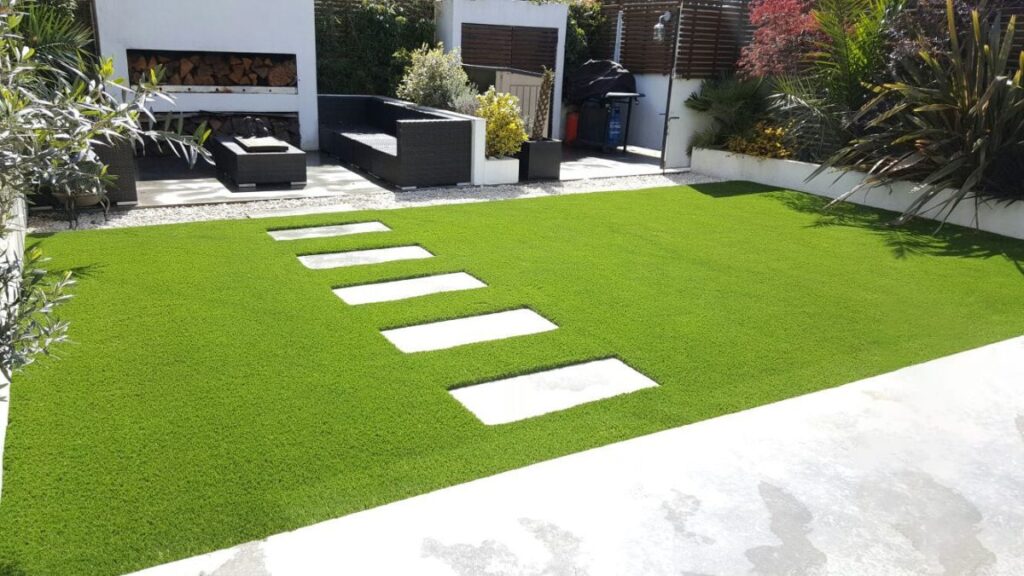
Artificial grass is often misunderstood as a synthetic substitute for real grass. However, it can be a wonderful alternative when properly chosen and installed. In this article, we’ll explore the benefits of artificial grass in your garden, its uses, types, and maintenance.
What is Artificial Grass?
Artificial grass is a type of turf made from synthetic materials such as polypropylene or polyethylene that mimic the look and feel of natural grass. It’s a popular choice for homeowners who want to create a lush green lawn without the hassle of regular watering, mowing, and fertilizing.
Why Choose Artificial Grass?
Artificial grass is an excellent option for various reasons:
- Low Maintenance: Artificial grass requires minimal upkeep, as it doesn’t need watering, mowing, or fertilization.
- Durable: It can withstand heavy foot traffic and harsh weather conditions, making it perfect for areas with high usage.
- Consistent Appearance: Artificial grass maintains its color and texture year-round, ensuring a uniform appearance.
Types of Artificial Grass
There are several types of artificial grass available in the market:
- Natural Look Artificial Grass: This type has a natural look and feel, making it perfect for homeowners who want to create a realistic lawn.
- Soft Play Artificial Grass: Designed for children’s play areas, this type is made from soft materials that provide comfort and safety.
- Pet-Friendly Artificial Grass: Made with durable materials, this type is designed specifically for pet owners who want to ensure their pets’ safety.
Choosing the Right Type of Artificial Grass
When selecting artificial grass, consider factors such as:
- Usage: Think about how much usage your lawn will receive and choose a material that can withstand it.
- Maintenance: Consider the level of maintenance you’re willing to commit to and select a type that suits your needs.
Installing Artificial Grass
Installing artificial grass is a relatively straightforward process. Here are some tips:
- Prepare the Ground: Ensure the ground is level and compacted before laying the turf.
- Choose the Right Material: Select a high-quality material that meets your budget and requirements.
- Follow Installation Guidelines: Follow the manufacturer’s instructions for proper installation.
Additional Tips
- Consider factors such as drainage, soil quality, and sun exposure when installing artificial grass.
- Regularly inspect your lawn for damage or wear and tear.
- Consult professionals if you’re unsure about any aspect of artificial grass installation.
Maintenance and Upkeep
Artificial grass requires regular maintenance to ensure its longevity. Here are some tips:
- Regular Cleaning: Regular cleaning is necessary, especially if you have pets or allergies. Use a soft-bristled brush or a leaf blower to remove debris.
- Infilling: Artificial grass needs infilling with sand or silica to maintain its shape and prevent matting.
- Fertilizing: Fertilize your lawn regularly, but avoid using chemical fertilizers that can harm the environment.
- Drainage: Ensure proper drainage by installing a French drain or adjusting your irrigation system.
Costs and Benefits
Artificial grass has both costs and benefits:
- Initial Cost: The initial cost of artificial grass installation can be high, but it’s often cheaper than natural grass in the long run.
- Maintenance Costs: Regular maintenance is necessary to ensure its longevity, which can add up over time.
- Long-Term Benefits: Artificial grass can last for years, providing a consistent appearance and low maintenance costs.
Environmental Impact
Artificial grass has an environmental impact during production and installation, but it’s often more durable and requires less maintenance than natural grass, reducing the need for resources:
- Production: The production of artificial grass involves the use of non-renewable resources such as oil and gas.
- Installation: Installation can harm local ecosystems if not done properly.
- Long-Term Benefits: Artificial grass can last longer than natural grass, reducing the need for frequent mowing, fertilizing, and watering.
Conclusion
Artificial grass can be an excellent alternative to natural grass, offering numerous benefits such as low maintenance, durability, and consistency. By understanding the different types of artificial grass available and choosing the right material for your needs, you can create a beautiful and functional lawn that enhances your outdoor space.
Frequently Asked Questions
- How long does artificial grass last?
Artificial grass can last anywhere from 10 to 25 years, depending on factors such as quality, usage, and maintenance. - Is artificial grass suitable for pets?
Yes, but it’s crucial to choose a pet-friendly material that meets your needs. Regular cleaning is also necessary to maintain its integrity. - Can artificial grass be used in shaded areas?
While artificial grass can be installed in shaded areas, it may require additional maintenance due to reduced sunlight. - Is artificial grass eco-friendly?
While artificial grass has an environmental impact during production and installation, it’s often more durable and requires less maintenance than natural grass, reducing the need for resources. - Can I use artificial grass in areas with high foot traffic?
Yes, but choose a material designed for heavy usage to ensure durability and longevity. - How do I maintain artificial grass?
Regular cleaning is necessary, especially if you have pets or allergies. Follow manufacturer guidelines for proper maintenance. - Is artificial grass suitable for children’s play areas?
Yes, but choose a material specifically designed for soft play areas to ensure safety and comfort.
Additional Resources
- National Turfgrass Federation: Provides information on the benefits of artificial turf and how it can be installed and maintained.
- International Association of Golf Course Superintendents: Offers guidance on maintaining artificial grass in golf courses and other outdoor spaces.


