
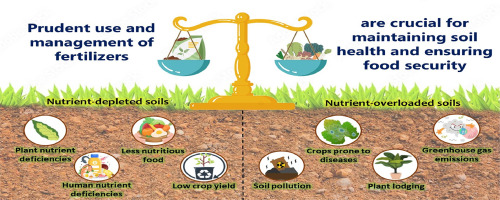
In the pursuit of sustainable agriculture, we seek balance that already exists in nature. We don’t focus solely on the product but take care of the entire process, from the soil where it grows to a world without fertilizers and pesticides. By associating and alternating plants and flowers with the principles of symbiotic agriculture, we create a virtuous circle, healthy and beneficial even for our mood and, through community gardens, the community itself.
Meet Enrico Marcolongo, a Symbiotic Farmer
Enrico Marcolongo, a symbiotic farmer at Orto Cittadino Sinergico, shares his insights on what constitutes symbiotic agriculture and offers projects for a better future. And of course, a little help from grandma.
1. What is Sustainable Agriculture?
Sustainable Agriculture (SA) originates from the studies of Japanese microbiologist Masanobu Fukuoka and French naturalistic farmer Emilia Hazelip. It’s based on finding balance in nature. A well-managed soil restores and then maintains its fertility, making fertilizers unnecessary. In forests, the soil is fertile without human intervention thanks to beneficial microorganisms and bacteria that are essential for the oxygen-carbon cycle. SA aims to minimize the use of fertilizers or pesticides, relying solely on water, sunlight, and straw, which decompose to nourish the land. Beyond producing 100% organic produce, sustainable agriculture results in a more resilient model, low environmental impact, and lower petroleum consumption.
2. What Products Do You Get from Sustainable Agriculture?
SA focuses on the health of plants, hence the soil that nurtures them. Therefore, the outcome will be a natural consequence of careful management. Each plant has its unique characteristics and traits; getting to know them can help you exploit them to the advantage of sustainable agriculture. For example, lily plants (garlic, onion, and shallot) are potent antibacterial and fungicidal agents that provide natural protection for other plants in a shared field. Legumes also make excellent fertilizers: one hectare of soybeans can fix up to 400 kg of nitrogen in the soil.
3. Is it Wrong to Compensate Soil Fertility Loss? Why?
It’s a widely held misconception, unfortunately. Every plant is composed of 75% water, 20% carbon-based compounds, and 5% organic compounds from the soil, of which half is nitrogen. Only 2.5% can be considered actually removed from the soil, and everything taken by plants is returned to the compost pile (dried leaves and wood chips) at the end of its cycle. If we manage the land in this way (and not press it), we create an ideal environment for microorganisms to break down nutrients available to plants.
4. What is the First Concrete Step towards Sustainable Agriculture?
Consider taking a course, but if you want to start experimenting with sustainable agriculture in your own backyard or community garden, there’s plenty of material to get started. For small-scale farming or an urban community garden of sufficient size, evaluate the soil condition before starting to quantify its mineral and organic content and implementing the best management practices.
5. What are Bales? How Are They Organized and Managed?
Bales are mounds of earth raised 1.2 meters high with a planting surface about 50 cm wide. The height depends on the type of soil: sandy soils tend to be lower, while clayey soils can rise higher. Place the irrigation system over the bale covered in straw. Maintain a width of 1.2 meters; the length and shape are up to your imagination. You may see spirals, waves, even shapes resembling letters composing names.
6. How Does It Progress?
Managing an orchard primarily consists of harvesting produce, planting new seedlings or seeds. In the first years, you’ll need to do some manual weeding, but over time and with composting, weeds will yield to nature. Some spontaneous plants are even beneficial, such as chicory, which brings valuable minerals to the soil and makes the surrounding salad taste better.
7. How Many People in Italy Practice Sustainable Agriculture Today? Is It More Common Elsewhere?
Unfortunately, it’s difficult to count those practicing sustainable agriculture in Italy anymore. For a long time, it was mainly practiced by small-scale farmers. Now it has spread beyond the confines of the family farm. Municipalities can provide citizens with land and form shared gardens where volunteers receive vegetables in exchange for their time. Excess produce can be sold to those who don’t have enough time to help out.
This revolution started recently.
Frequently Asked Questions (FAQs)
- What is sustainable agriculture?
- Sustainable Agriculture refers to a method of farming that seeks balance within nature’s systems, avoiding excessive use of chemicals and focusing on natural processes like decomposition and microorganism activity.
- Why is it better than traditional methods of farming?
- SA produces high-quality organic produce without the negative impacts associated with chemical fertilizers and pesticides. It also has a lower environmental footprint and requires less petroleum consumption.
- What role do farmers play in promoting sustainable agriculture?
- Farmers, particularly those practicing symbiotic agriculture, act as guardians of the land, ensuring soil health through careful management practices like crop rotation, composting, and minimal use of fertilizers.
- How can I start implementing sustainable agriculture methods on my own property or community garden?
- Begin by learning about SA and understanding its principles. Start small with your existing plot of land, focusing on healthy soil management and biodiversity.
- What are the key factors that determine the success of sustainable agriculture?
- Key factors include careful soil management, crop rotation, minimal use of chemicals, and a diverse community garden to foster collaboration and knowledge sharing among farmers and gardeners.
- How does sustainable agriculture benefit our communities?
- SA contributes to healthier produce for consumers while promoting local economic growth through shared gardens and community engagement.
- What is the future outlook for sustainable agriculture in Italy and globally?
- With increased awareness about environmental sustainability, there is a growing trend towards adopting SA practices worldwide.
This transition marks an important shift towards more sustainable food production methods.


