
Introduction
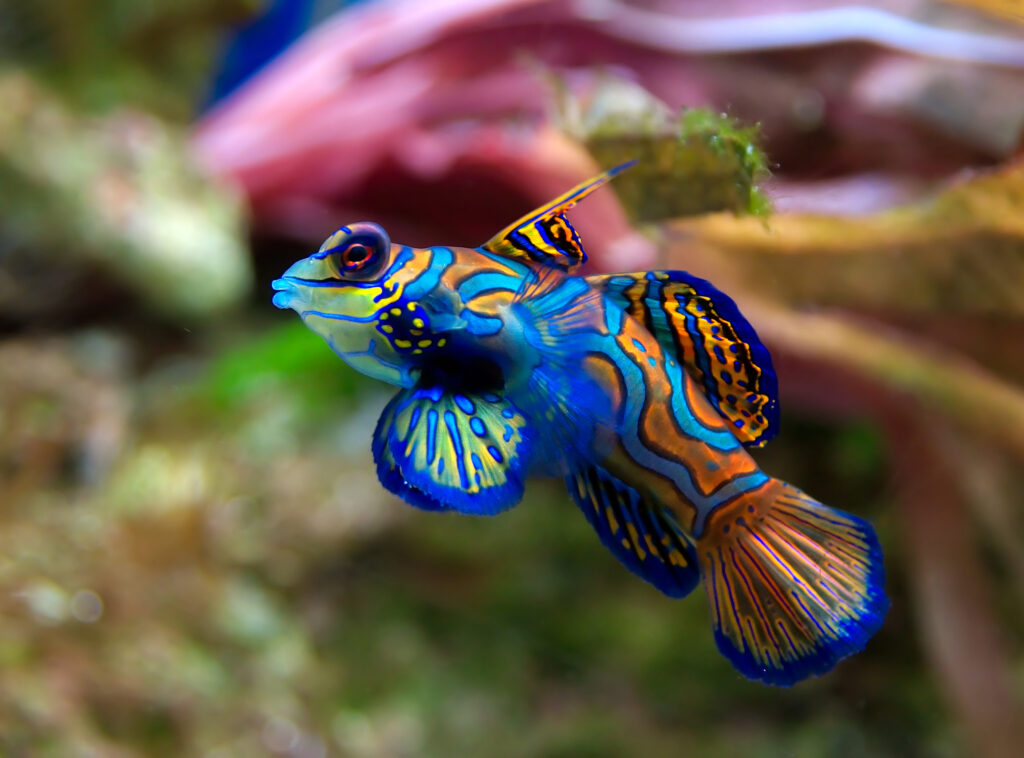
The Synchiropus splendidus, commonly known as the Splendid Dragonfish or Mandarin Dragonfish, is a species of marine fish that belongs to the family Callionymidae. With over 100 species in 11 genera, the term “Mandarin Dragonfish” can be misleading, as it refers to only one genus: Synchiropus. In this article, we will delve into the world of Synchiropus splendidus, exploring its characteristics, habits, and requirements for a thriving aquarium.
Classification
The Synchiropus splendidus is classified under the following taxonomic categories:
- Order: Perciformes
- Suborder: Callionymoidei
- Family: Callionymidae
- Genus: Synchiropus
Appearance
One of the distinctive features of the Synchiropus splendidus is its ability to “walk” on the substrate using its large pectoral fins. However, it’s essential to note that these fins are not actually petral fins but rather modified caudal fins. The first dorsal fin in males presents a striking orange and blue pattern, which can vary depending on the species.
Habitat
The Synchiropus splendidus originates from the western Pacific Ocean, specifically from Japan’s southern regions to Australia. In its natural habitat, it inhabits shallow, sandy-bottomed lagoons and coastal areas with minimal currents. These fish are typically found in areas with rocky crevices, coral reefs, or artificial structures that provide shelter.
Diet
In the wild, the Synchiropus splendidus feeds on small invertebrates, zooplankton, and other tiny organisms. In aquariums, it is recommended to provide a varied diet that includes copepods, Artemia, or other small crustaceans and worms. This diet should be supplemented with frozen or live foods such as brine shrimp or mysis shrimp.
Care and Maintenance
To keep a Synchiropus splendidus thriving in an aquarium, the following conditions must be met:
- A well-established and mature aquarium with plenty of hiding places
- A sandy substrate and adequate rockwork to provide a natural environment
- Avoid introducing aggressive fish with sharp fins that could harm the dragonfish
- Provide a varied diet that includes live or frozen foods
- Maintain a stable water temperature between 22°C and 24°C (72°F-75°F)
- Regularly test the pH and salinity levels to ensure they fall within the optimal range for this species
Water Quality
Maintaining good water quality is essential for the health of Synchiropus splendidus. Regular water changes, a high-quality protein skimmer, and an efficient filtration system can help maintain healthy water parameters.
Comparison with Synchiropus picturatus
Synchiropus picturatus, another species of Mandarin Dragonfish, shares similar characteristics with the Synchiropus splendidus. However, it has distinct markings on its body and is found in different regions. Synchiropus picturatus is often found in deeper waters than Synchiropus splendidus.
Comparison with Synchiropus ocellatus
Synchiropus ocellatus, a less common species, has a distinctive brownish-gray coloration with white or yellow spots. It inhabits deeper waters than the other two species but can thrive in aquariums under proper care. Synchiropus ocellatus is often found in areas with more complex water flow and structure.
Breeding and Reproduction
Synchiropus splendidus are known to be challenging to breed, especially for beginners. They require a specific combination of light, temperature, and food to stimulate reproduction. In an aquarium setting, breeding Synchiropus splendidus can be achieved by providing a suitable environment with plenty of hiding places and a varied diet.
Predators and Natural Enemies
In the wild, Synchiropus splendidus have several natural predators that prey on them. In an aquarium setting, it’s essential to monitor for any signs of stress or disease that could lead to predation.
Conclusion
The Synchiropus splendidus is an intriguing and beautiful fish that requires careful attention to its needs. By understanding its habits, habitat, and dietary requirements, aquarists can create a thriving environment for these captivating creatures.
Frequently Asked Questions (FAQs)
- What is the typical size of a Synchiropus splendidus?
The Synchiropus splendidus typically reaches a length of 7 cm (2.8 in) and weigh around 10-15 grams. - Is the Synchiropus splendidus a peaceful fish?
Yes, the Synchiropus splendidus is generally a calm and non-aggressive species that can be kept with other peaceful fish. - Can I keep multiple males in the same aquarium?
No, it’s recommended to keep only one male per aquarium, as they are known to be aggressive towards each other. - What is the ideal water temperature for a Synchiropus splendidus?
The Synchiropus splendidus prefers temperatures between 22°C and 24°C (72°F-75°F). - Can I feed my Synchiropus splendidus frozen or live foods?
Yes, both frozen and live foods can be fed to the Synchiropus splendidus, but it’s recommended to provide a varied diet. - How often should I change the water in my aquarium with a Synchiropus splendidus?
It’s essential to change at least 25% of the tank water every week to maintain optimal water quality. - Can I breed the Synchiropus splendidus in an aquarium?
Breeding the Synchiropus splendidus can be challenging due to their complex mating habits, but with proper care and conditions, it’s possible. - What is the lifespan of a Synchiropus splendidus?
The Synchiropus splendidus typically lives for 5-7 years in an aquarium under optimal care.
Additional Tips
- When introducing new fish to your aquarium, ensure that they are fully acclimated and not stressed to prevent any negative effects on the dragonfish.
- Regularly inspect your dragonfish for signs of stress or disease and take prompt action if necessary.
- Provide plenty of hiding places and visual barriers to help reduce aggression and stress in your Synchiropus splendidus.
By following these guidelines and understanding the specific needs of the Synchiropus splendidus, aquarists can create a thriving environment that showcases the beauty and unique characteristics of this fascinating fish species.


