
Introduction
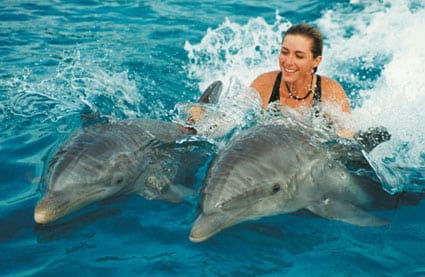
In recent years, swimming with dolphins has become increasingly popular around the world. However, it’s not just a matter of jumping into the water and splashing around with these intelligent creatures. There are regulations, permits, and safety considerations that must be taken into account. In this article, we’ll explore the possibilities and challenges of swimming with dolphins in Italy.
Italy, known for its rich marine life and stunning coastline, is home to several dolphin species, including bottlenose dolphins, striped dolphins, and common dolphins. These creatures can be found in various parts of the Mediterranean Sea, particularly in the Gulf of Naples and the Tyrrhenian Sea. However, swimming with dolphins in Italy is not a straightforward process.
The Law: A New Era for Dolphin Swimming
On December 20, 2017, a new decree was published on the official gazette, allowing swimming with dolphins in Italy for educational and conservation purposes only. The decree states that only specific initiatives, approved by three government ministries, can take place within licensed zoological gardens that possess dolphins.
The law aims to protect both humans and dolphins from potential harm caused by unregulated dolphin swimming activities. However, some experts worry that this new law will lead to more exploitation of dolphins for human entertainment purposes rather than education.
Concerns About Dolphin Swimming
Dolphins are highly social creatures that thrive in open spaces, which can be challenging to replicate in a controlled environment like a zoo or aquarium. Swimming with dolphins requires a deep understanding of their behavior, body language, and social dynamics.
Moreover, dolphins have complex communication patterns, and swimming with them involves interpreting these signals, which can be stressful for both humans and animals. In some cases, dolphins may exhibit aggressive behavior when interacting with humans, highlighting the need for careful planning and supervision.
A Call to Action: The LAV’s Response
To address these concerns, the LAV (Lega Ambientalista) has taken a strong stance against this new decree. They’re planning various protest actions to raise awareness about the potential risks of dolphin swimming and the importance of protecting these incredible creatures.
The LAV emphasizes the need for strict regulations and guidelines to ensure that dolphin swimming activities prioritize animal welfare, conservation, and sustainability. By supporting responsible tourism practices, we can promote a culture of respect and appreciation for dolphins in their natural habitat.
Ministerial Guidelines: Clarifying the Rules
In response to criticisms, the Ministry of Environment has clarified that only “educational” activities are permitted. This means that any swimming with dolphins must be part of a structured program aimed at promoting environmental awareness and conservation.
To ensure compliance with these guidelines, authorized institutions will need to provide detailed information on their dolphin-watching programs, including:
- The location and number of dolphins involved
- The duration and type of activities
- The qualifications and experience of the guides and instructors
- The safety measures in place
Where Can You Swim with Dolphins in Italy?
Unfortunately, no Italian parks have yet announced plans to offer swimming with dolphins as part of their programs. However, we can look abroad for inspiration. One Mediterranean Marine Park in Malta is already offering this experience.
The Malta Experience: A Unique Opportunity
For €120, visitors can enjoy a guided session with trained instructors, wear special suits, and interact with these magnificent creatures in their natural habitat. This approach ensures that both humans and dolphins are safe and happy.
By choosing to swim with dolphins in the Maltese waters, you’re supporting responsible tourism practices that prioritize animal welfare and conservation. The experience is designed to promote environmental awareness and appreciation for marine life, making it a unique and enriching opportunity.
Why Choose the Natural Habitat?
While the Malta experience may seem pricey, it’s an investment in the well-being of our planet’s most fascinating inhabitants. By choosing to swim with dolphins in their natural environment, we’re supporting sustainable tourism practices that prioritize animal welfare and conservation.
In contrast, swimming with dolphins in captivity can lead to a range of negative consequences, including:
- Stress and discomfort for the animals
- Lack of space and stimulation
- Potential harm from poor handling and care
The Future of Dolphin Swimming in Italy
As we navigate this complex issue, it’s essential to prioritize animal welfare and environmental conservation. By making informed choices, we can ensure that our interactions with these incredible creatures are both enjoyable and sustainable.
In the future, we may see a shift towards more responsible tourism practices, where dolphins are viewed as ambassadors for their species and habitats rather than entertainment props. This requires ongoing education and awareness about the importance of conservation and sustainability.
Conclusion
Swimming with dolphins in Italy is not just a dream; it’s a possibility, albeit a limited one for now. As we explore this complex issue, we must remember the importance of prioritizing animal welfare and environmental conservation. By making informed choices, we can ensure that our interactions with these incredible creatures are both enjoyable and sustainable.
FAQs
- What is the current status of swimming with dolphins in Italy?
Swimming with dolphins in Italy is currently only allowed for educational and conservation purposes, as outlined in a new decree published on December 20, 2017. - Are all Italian parks offering swimming with dolphins?
No, at this time no Italian park has announced plans to offer swimming with dolphins as part of their programs. - What is the cost of swimming with dolphins in Malta?
The cost of swimming with dolphins in Malta is €120 per person, including a guided session and special equipment. - Why should I choose to swim with dolphins in their natural habitat?
Swimming with dolphins in their natural habitat supports responsible tourism practices that prioritize animal welfare, conservation, and sustainability. - Are dolphins naturally friendly creatures?
No, dolphins are not naturally friendly; their behavior towards humans is often a result of extensive training and conditioning. - Is swimming with dolphins a sustainable practice?
While swimming with dolphins can be an enjoyable experience, it’s essential to consider the environmental impact of such activities and choose options that prioritize animal welfare and conservation. - Can I swim with dolphins in other countries besides Italy?
Yes, many countries around the world offer swimming with dolphin experiences, but regulations and guidelines vary widely. - How can I support responsible tourism practices when swimming with dolphins?
When choosing a swimming with dolphin experience, look for organizations that prioritize animal welfare, conservation, and sustainability.


