
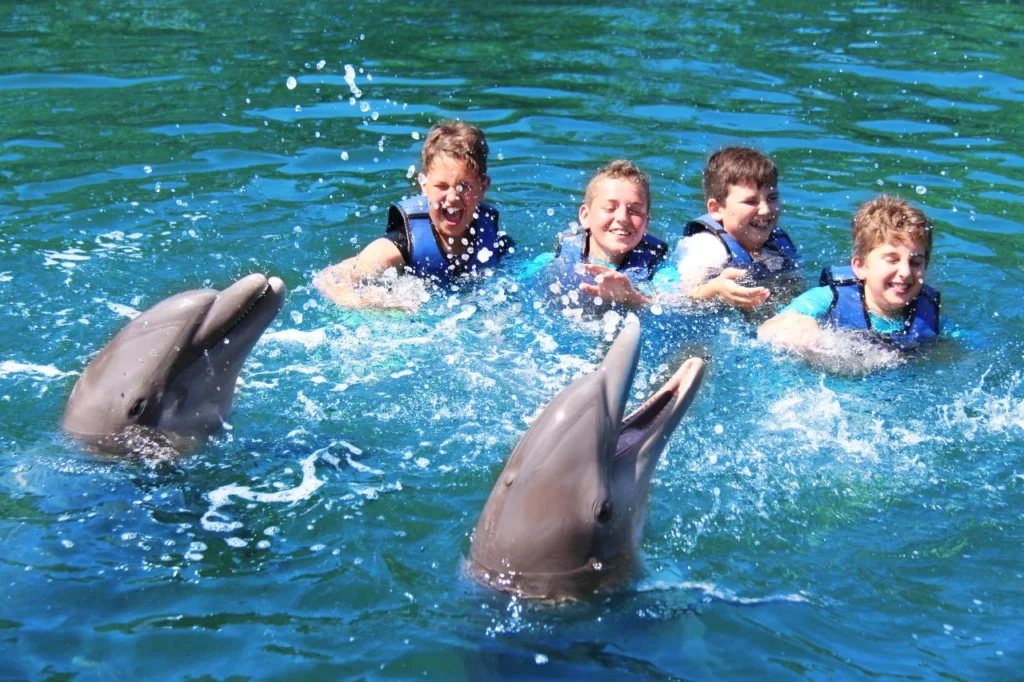
Are you dreaming of swimming alongside dolphins? Do you want to experience the thrill of snorkeling or scuba diving in their natural habitat? Look no further! In this article, we’ll explore the ins and outs of swimming with dolphins, from the best places to visit to the importance of responsible tourism.
Where to Swim with Dolphins
Italy is home to a stunning marine sanctuary, which makes it an ideal destination for dolphin watching. The Mediterranean Sea offers breathtaking views of dolphins in their natural habitat, making it a paradise for nature lovers and adventure seekers alike.
But where can you swim with dolphins in Italy? Look no further than the Santuario Internazionale dei Cetacei (International Sanctuary for Marine Mammals). This protected area stretches over 96,000 square kilometers of the Mediterranean Sea, covering parts of Tuscany, Sardinia, and Liguria.
The Santuario Internazionale dei Cetacei is a remarkable conservation effort that aims to protect marine mammals and their habitats. The sanctuary provides a safe haven for dolphins, whales, and other marine animals, allowing them to thrive in their natural environment.
The Importance of Responsible Tourism
Before we dive into the fun stuff, it’s essential to talk about responsible tourism. Swimming with dolphins can be a thrilling experience, but it’s crucial to consider the impact on the marine ecosystem.
Many dolphin-swimming companies prioritize profits over animal welfare, leading to inhumane conditions and mistreatment of these intelligent creatures. To avoid contributing to this problem, choose eco-friendly tour operators that follow strict guidelines and respect the dolphins’ natural habitat.
Responsible tourism is not just about avoiding harm; it’s also about supporting conservation efforts and promoting sustainable practices. By choosing eco-friendly tour operators, you’re helping to protect marine habitats and ensure the long-term survival of these incredible creatures.
Dolphin Behavior: The Surprising Truth
Did you know that dolphins are social animals with complex behaviors? They can experience emotions like love, hate, and even aggression towards other dolphins or even humans. In fact, some dolphin species have been observed playing with carrion, just for fun!
This means that swimming with dolphins in a controlled environment, such as a pool or aquarium, may not be the most authentic or respectful way to interact with these amazing creatures.
Dolphins are also known for their advanced problem-solving abilities and complex communication skills. They use a variety of clicks, whistles, and body language to communicate with each other, and they’ve even been observed exhibiting cultural behaviors passed down through generations.
Dolphin Sanctuaries vs. Aquariums
So, what’s the difference between a dolphin sanctuary and an aquarium? A sanctuary provides a natural habitat for dolphins, allowing them to swim freely and engage in their natural behaviors. In contrast, aquariums confine dolphins to small enclosures, often with artificial conditions that fail to mimic their natural environment.
If you want to experience swimming with dolphins in their natural habitat, choose sanctuaries or eco-friendly tour operators that prioritize animal welfare over profits.
Tips for Swimming with Dolphins Responsibly
To ensure a fun and responsible dolphin-swimming experience:
- Choose eco-friendly tour operators: Look for companies that follow strict guidelines and respect the dolphins’ natural habitat.
- Avoid swimming in captivity: Stick to sanctuaries or marine parks where dolphins can swim freely, without artificial conditions.
- Keep a safe distance: Maintain a respectful distance from the dolphins to avoid disrupting their behavior or causing stress.
- No touching or feeding: Refrain from touching or feeding the dolphins, as this can cause them physical and psychological harm.
Additional Tips for a Responsible Dolphin-Swimming Experience
- Be mindful of your body position in the water, avoiding any movements that may startle or disrupt the dolphins.
- Don’t make sudden noises or use bright lights, which can stress or disorient the dolphins.
- Avoid touching or swimming too close to the dolphins’ blowholes or dorsal fins, as this can cause discomfort or injury.
Consequences of Irresponsible Dolphin-Swimming
Irresponsible dolphin-swimming practices can have serious consequences for these incredible creatures. Some of the risks include:
- Habitat disruption: Swimming in captivity can disrupt the natural habitat and behavior of dolphins, leading to stress and anxiety.
- Physical harm: Touching or handling dolphins can cause physical harm, including injuries from sharp fins or teeth.
- Psychological trauma: Dolphins can experience psychological trauma if they’re stressed or disrupted by human interactions.
Conclusion
Swimming with dolphins is an unforgettable experience that can be both exhilarating and humbling. By choosing responsible tour operators and respecting these incredible creatures’ natural habitat, we can ensure a fun and safe experience for everyone involved.
So, are you ready to dive into the world of dolphin swimming? Remember to prioritize animal welfare and choose eco-friendly options to make your experience truly unforgettable!
Frequently Asked Questions
- Q: Are dolphins intelligent animals?
A: Yes, dolphins are known for their advanced intelligence and complex social behaviors. - Q: Can I swim with dolphins in the wild?
A: Yes, but it’s essential to choose responsible tour operators and respect the marine ecosystem. - Q: What happens if I touch or feed a dolphin?
A: Touching or feeding dolphins can cause physical and psychological harm, so it’s crucial to maintain a safe distance. - Q: Can I swim with dolphins in Italy?
A: Yes, the Mediterranean Sea offers breathtaking views of dolphins in their natural habitat, making it an ideal destination for dolphin watching. - Q: What is the Santuario Internazionale dei Cetacei?
A: The Santuario Internazionale dei Cetacei is a protected area in Italy that covers parts of Tuscany, Sardinia, and Liguria, providing a natural habitat for marine mammals like dolphins. - Q: Are dolphin sanctuaries better than aquariums?
A: Yes, sanctuaries prioritize animal welfare and provide a natural habitat for dolphins, while aquariums often confine them to small enclosures with artificial conditions. - Q: Can I swim with dolphins in captivity?
A: No, it’s essential to avoid swimming in captivity, as this can cause physical and psychological harm to the dolphins. - Q: How can I ensure a responsible dolphin-swimming experience?
A: Choose eco-friendly tour operators, maintain a safe distance from the dolphins, and refrain from touching or feeding them.
Dolphin-Swimming Safety Tips
To ensure a safe and enjoyable dolphin-swimming experience:
- Always swim with a qualified guide or instructor.
- Follow all instructions and guidelines provided by the tour operator.
- Be aware of your surroundings and avoid swimming too close to other boats or vessels.
- Don’t enter the water alone, especially in areas with strong currents or rip tides.
Dolphin-Swimming Etiquette
To show respect for these incredible creatures, follow these simple etiquette guidelines:
- Avoid touching or handling dolphins, as this can cause physical and psychological harm.
- Refrain from feeding or offering food to dolphins, as this can disrupt their natural behavior and diet.
- Keep a safe distance from the dolphins to avoid disrupting their behavior or causing stress.
- Be mindful of your body position in the water, avoiding any movements that may startle or disturb the dolphins.
By following these guidelines and choosing responsible tour operators, you can help ensure a fun and memorable dolphin-swimming experience for both humans and animals alike.


