
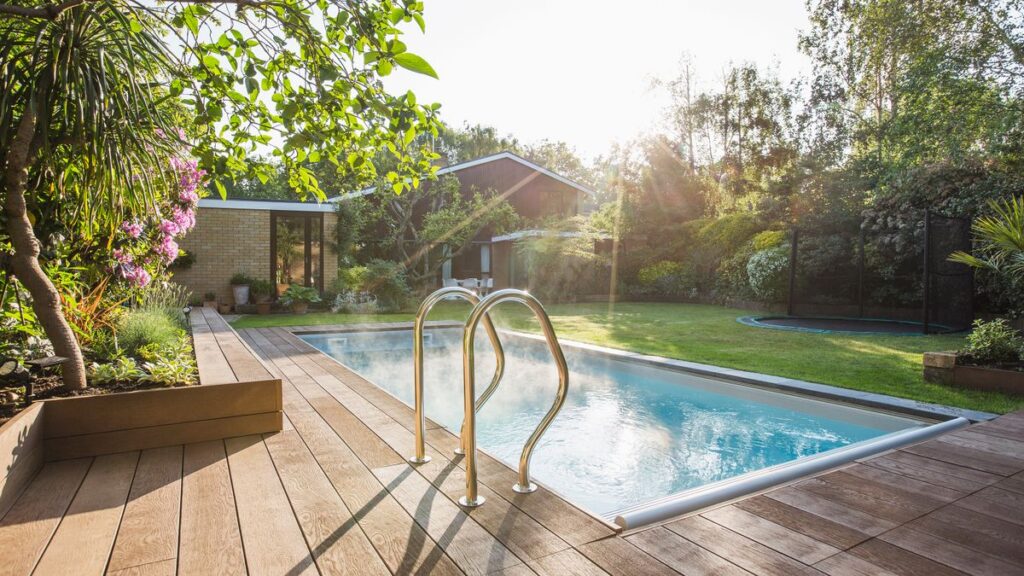
As you consider building an in-ground pool, it’s essential to understand the process involved and the various factors that affect its cost. From choosing the right location to obtaining necessary permits, we’ll cover everything you need to know to create a beautiful and functional swimming area.
Understanding the Cost of an In-Ground Pool
When researching in-ground pools online, you may come across estimates that seem too good to be true. However, these prices are often based on simplified calculations that don’t take into account various factors such as labor costs, materials, and site preparation.
To get a more accurate estimate, consider the following:
- A pool with a prefabricated concrete shell can cost between $15,000 and $30,000.
- A fiberglass pool can range from $10,000 to $20,000.
- A vinyl-lined pool can cost between $8,000 and $18,000.
These prices are estimates and may vary depending on the size, shape, and features of your pool. It’s also important to note that these costs do not include additional expenses such as equipment, decking, and landscaping.
Choosing the Right Location for Your Pool
When deciding where to install your in-ground pool, consider the following factors:
- Sunlight: Ensure that the area receives sufficient sunlight for proper chlorine production. Pools need at least 6 hours of direct sunlight per day.
- Shade: Consider the amount of shade provided by surrounding trees or structures. Adequate shading can help reduce algae growth and prevent overheating.
- Drainage: Choose a location with good drainage to prevent waterlogging and erosion. A well-drained area is essential to ensure that your pool remains stable and safe.
Pools vs. Above-Ground Pools: Which One is Right for You?
Above-ground pools are often less expensive than in-ground pools but may not be as aesthetically pleasing. In-ground pools, on the other hand, provide a more immersive swimming experience and can increase your home’s value.
Before making a decision, consider the following factors:
- Cost: Above-ground pools tend to be less expensive than in-ground pools.
- Installation: In-ground pools require more labor and materials, increasing their overall cost.
- Maintenance: Both types of pools require regular maintenance, but in-ground pools may be more challenging to maintain. However, with proper maintenance, both above-ground and in-ground pools can last for decades.
Additional Factors to Consider
In addition to the factors mentioned earlier, there are several other considerations to keep in mind when designing an in-ground pool:
- Local Building Codes: Ensure that your pool design complies with local building codes and regulations. These codes may dictate specific requirements for pool safety features, such as fencing and gates.
- Neighborhood Covenants: If you live in a neighborhood with covenants, consider the potential impact of your pool on property values and neighborhood aesthetics.
Getting the Necessary Permits
Before installing your in-ground pool, you’ll need to obtain the necessary permits from your local government. The following permits are typically required:
- Building permit: Required for most in-ground pool installations.
- Zoning permit: Ensures that the pool complies with local zoning regulations.
- Electrical permit: Required if your pool requires electricity, such as lights or a heater.
Additional Costs to Consider
In addition to the initial cost of building an in-ground pool, there are several additional expenses to consider:
- Decking and Landscaping: If you choose to install decking or landscaping around your pool, these costs can add up quickly.
- Equipment and Supplies: Depending on the features of your pool, you may need to purchase additional equipment, such as a pump or filter. These costs should be factored into your overall budget.
Tips for Saving Money
While building an in-ground pool can be expensive, there are several ways to save money:
- Shop Around: Compare prices from different contractors and suppliers to ensure that you’re getting the best deal.
- Consider Prefabricated Options: Prefabricated pools may be more affordable than custom-built options.
- DIY: If possible, consider doing some of the work yourself, such as installing decking or landscaping.
Common Mistakes to Avoid
When building an in-ground pool, there are several common mistakes to avoid:
- Insufficient Planning: Failing to properly plan your pool design can lead to costly changes down the line.
- Inadequate Safety Features: Pools require adequate safety features, such as fencing and gates, to prevent accidents.
- Poor Maintenance: Regular maintenance is essential to keep your in-ground pool clean and safe. Neglecting regular maintenance can lead to costly repairs.
Conclusion
Designing an in-ground pool requires careful consideration of several factors, including cost, location, and permits. By understanding the process involved and the various factors that affect its cost, you can create a beautiful and functional swimming area that meets your needs and budget.


