
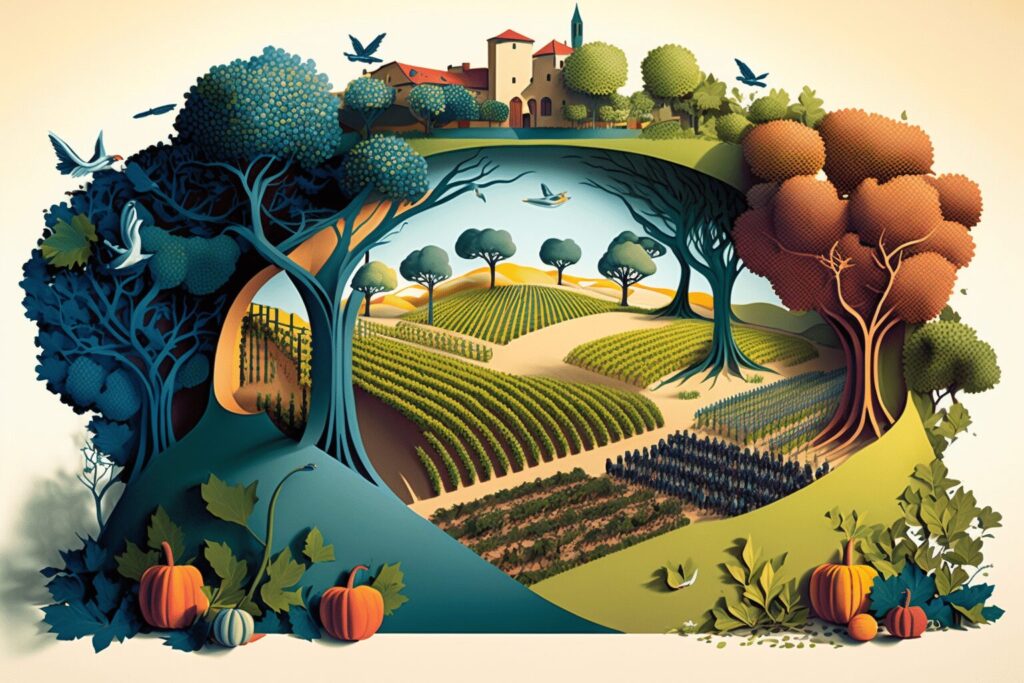
The indispensable link between wine production and the earth is palpable in the architecture of sustainable wineries. These eco-friendly wineries have gained popularity only in the last decade, but their impact on reducing the environmental footprint of the wine industry cannot be overstated.
What are Sustainable Wineries?
Sustainable wineries aim to exploit the intrinsic resources of the agricultural territory, using materials and equipment from local suppliers whenever possible. They prioritize water conservation, waste management, and the reuse of organic waste products. These eco-friendly wineries not only reduce their environmental impact but also promote sustainable practices throughout the entire wine production process.
Designing a Sustainable Winery: A Complex Task
Designing an eco-friendly winery is no easy feat. This complexity is why there are few examples of fully sustainable wineries. The wine production process involves various activities, making it challenging to achieve efficiency without compromising on quality or environmental impact.
One of the primary challenges in designing a sustainable winery is balancing energy consumption and waste management with water conservation. For instance, wineries require significant amounts of electricity for cooling and heating, as well as for powering equipment such as pumps and presses. At the same time, wine production generates substantial amounts of wastewater, which must be managed effectively to avoid pollution.
To address these challenges, sustainable wineries often adopt innovative technologies and strategies. These might include the use of geothermal energy systems, which harness heat from underground temperatures to provide heating and cooling, or solar panels that generate electricity from sunlight.
How Do Sustainable Wineries Work?
Sustainable wineries are designed with a range of eco-friendly features in mind. These might include:
- Rainwater collection systems: These allow wineries to harvest and store rainwater for use in irrigation and other non-potable applications.
- Grey water reuse: This involves treating wastewater from activities such as bottling and cleaning, so it can be reused for irrigation or other purposes.
- Biogas production: This process involves breaking down organic waste products, such as grape pomace, to produce biogas, which is a renewable energy source.
Reducing Water Consumption
Sustainable wineries prioritize water conservation by using climate-controlled environments and implementing efficient irrigation systems. This is crucial, as it’s estimated that a single liter of wine requires 14 liters of water to produce. The production process also generates significant amounts of wastewater, with some studies suggesting up to 60 liters of water are required for every quintal of grapes processed.
To minimize water consumption, wineries might use technologies such as drip irrigation systems or precision agriculture techniques that optimize water usage based on soil moisture levels and plant water requirements.
Examples of Sustainable Wineries
Some wineries have adopted innovative techniques to reduce their environmental footprint. For example:
- In Italy’s Piedmont region, the winery “Bosco Cereso” uses a unique approach called “fitodepration,” which involves channeling wastewater into artificial ponds equipped with plant-based filtration systems.
- In Spain’s Rioja region, the winery “Muga” has implemented a rainwater harvesting system that collects and stores rainwater for use in irrigation and other non-potable applications.
Agricultural Biodynamics and Biodynamics
Eco-friendly wineries also adopt sustainable agricultural practices, such as biodynamic and organic farming methods. These approaches focus on promoting biodiversity, reducing chemical use, and maintaining soil health.
For example, some wineries may use composted manure to fertilize their vineyards or apply natural pest control methods, such as introducing beneficial insects to control pests and diseases.
Material Recycling and Waste Management
To further reduce their environmental impact, eco-friendly wineries prioritize material recycling and waste management. This includes the reuse of materials from production processes and the recycling of packaging materials.
Wineries might also adopt circular economy principles, where they design products and services that are restorative and regenerative by design. For instance, some wineries may use biodegradable packaging materials or create closed-loop systems where bottles and corks are recycled into new products.
Energy and Carbon Footprint
The production of a single bottle of wine generates approximately 1.83 kg of CO2 emissions. However, only half of these emissions are directly related to the wine production process, while the other half is attributed to indirect activities such as bottling and sales.
To minimize their energy consumption and carbon footprint, sustainable wineries often adopt renewable energy sources, such as solar panels or geothermal systems, which can provide heating, cooling, and electricity.
A Sustainable Winery: A Holistic Approach
A sustainable winery would integrate various eco-friendly technologies, such as:
- Geothermal energy for cooling
- Renewable biomass power for heating and electricity generation
- Solar panels for illumination and water heating
- Rainwater collection systems
- Bio-based materials for construction and packaging
By implementing these holistic strategies, sustainable wineries can minimize their environmental footprint while producing high-quality wines.
Frequently Asked Questions
- What is the impact of wine production on water consumption?
- It’s estimated that a single liter of wine requires 14 liters of water to produce.
- How do eco-friendly wineries reduce energy consumption?
- They use renewable energy sources, such as solar panels and geothermal systems, to minimize their reliance on fossil fuels.
- What role do agricultural biodynamics and biodynamics play in sustainable winery practices?
- These approaches focus on promoting biodiversity, reducing chemical use, and maintaining soil health.
- How can material recycling and waste management contribute to a sustainable winery?
- By reusing materials from production processes and recycling packaging materials, eco-friendly wineries can significantly reduce their environmental impact.
- What is the significance of energy conservation in wine production?
- The production of a single bottle of wine generates approximately 1.83 kg of CO2 emissions, highlighting the importance of minimizing energy consumption through sustainable practices.
By understanding these complex relationships and implementing sustainable strategies, eco-friendly wineries can promote environmental stewardship while producing high-quality wines for future generations to enjoy.


