
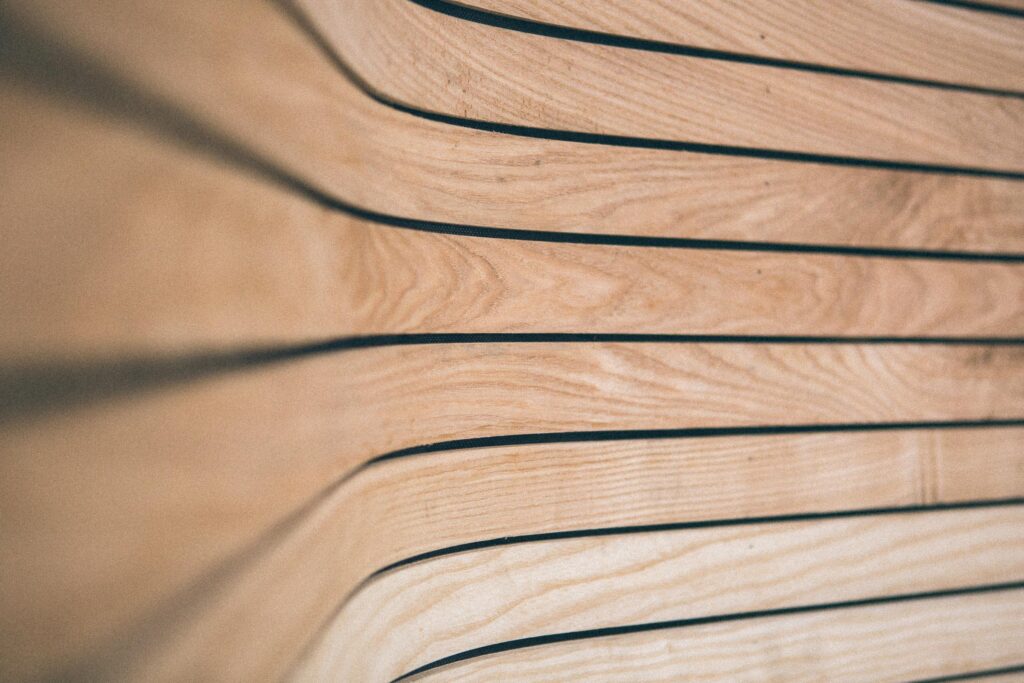
In the heart of London, a resident chose sustainable oak wood, specifically white American oak, as the primary material for expanding and renovating their home at Church Crescent, a neighborhood with row houses in Finchley. This choice may not be surprising, but it’s interesting to note why this decision was made.
The Ancient History of Wood
Wood is one of the oldest building materials, and it’s also incredibly long-lasting and resilient. When compared to steel under dynamic stress tests or cement over time, wood stands out as an exceptional material. White American oak is a robust and dense hardwood with excellent aesthetic appeal. Its durability has been tested through various studies and experiments, showcasing its ability to withstand extreme weather conditions.
The Source of Sustainable Oak Wood
Sustainable oak wood comes from forests that are cultivated responsibly, ensuring that this natural resource is replenished at a rate equal to or greater than its annual harvesting. White American oak is abundantly available in nature, and its cuts are regulated by the American Hardwood Export Council (AHEC), the most prominent association overseeing the trade of hardwoods.
The Client’s Research
To find the perfect sustainable oak wood for their project, the client researched various suppliers to evaluate the material’s specifications and requirements. Their search focused on finding a durable, exterior-ready wood that was cost-effective and available in 32mm x 32mm boards without finishing or sealing treatments.
The white American oak met all these criteria perfectly. The client wanted to ensure that they were not only getting high-quality materials but also contributing to sustainable forestry practices. This commitment to environmental responsibility sets a great example for others in the industry, highlighting the importance of eco-friendly building choices.
Characteristics of White American Oak
White American oak has a creamy-colored heartwood and dark brown sapwood. Its fibers are mostly straight, with moderate to heavily veined patterns, featuring longer mid-ribs compared to red oak, which creates an attractive design. This unique combination of characteristics makes white American oak a favorite among many furniture makers and flooring businesses.
Due to its uniform color palette, high production volume, and availability of planed boards, white American oak is widely used in various applications. Its versatility and durability make it an excellent choice for both indoor and outdoor projects, including flooring, walls, ceilings, and decorative elements.
Properties of White American Oak
White American oak is a robust and dense hardwood with moderate resistance to bending and compressive forces. It also has low flexibility, making it suitable for shaping by steam bending. To use this wood outdoors without treatments, it must meet a minimum Class 3 rating for moderate durability.
Regardless of the type of wood used, additional conservation treatments are necessary if there’s any appearance of heartwood, which is common in many hardwoods. Heartwood is less prone to decay and insects but can be more challenging to work with due to its natural resistance to moisture.
Project Overview: Church Crescent
The client’s project at Church Crescent allowed us to explore the use of sustainable white American oak. The goal was to expand the existing home by creating a modern area behind the brick facade with large windows to allow more natural light into the adjacent kitchen.
To create this look, listels made from 32mm x 32mm white American oak were used for the walls and ceiling of the new dining area, which perfectly framed the sliding doors and the glass roof. The wooden rain screen adds a contemporary touch by following the slope of the roof, creating a seamless transition between the old and new structures.
Innovative Solutions
The Church Crescent project showcased innovative solutions that blended traditional techniques with modern materials. By using sustainable white American oak, the client not only reduced their environmental footprint but also created a unique and functional space that incorporated natural elements.
The use of white American oak in this project serves as an example of how sustainable building practices can lead to more than just eco-friendly designs – they can result in breathtakingly beautiful and durable structures that last for generations.
Conclusion
Sustainable white American oak wood is an excellent choice for various building projects. Its durability, aesthetic appeal, and availability make it a popular material among many professionals. By choosing eco-friendly options like this, we can contribute to a more sustainable future while creating beautiful structures that stand the test of time.
Furthermore, the success of projects like Church Crescent demonstrates that sustainable building practices do not have to compromise on style or functionality. With the right combination of innovative materials and techniques, it is possible to create stunning spaces that not only minimize environmental impact but also maximize their potential for years to come.
Sustainable Building Practices: A Path Forward
As concern about climate change continues to grow, sustainable building practices become increasingly important. By choosing eco-friendly materials like white American oak, homeowners and builders can play a crucial role in reducing the industry’s carbon footprint.
There are many ways to promote sustainable building practices, from selecting locally sourced materials to implementing energy-efficient designs. As we look to the future, it is essential that we prioritize these efforts, recognizing the benefits they offer not only for the environment but also for our communities and economies.
The Future of Sustainable Wood
As technology continues to advance, new methods for harvesting and processing wood are being developed. These innovations aim to reduce waste, improve efficiency, and make sustainable wood more accessible to a wider range of customers.
By supporting these initiatives, we can contribute to a future where sustainable wood is the norm, not just an exception. This vision of a more eco-friendly construction industry is within reach, and it starts with making informed choices like choosing white American oak for our building projects.
The Role of Policy in Promoting Sustainable Wood
Governments and policymakers play a critical role in shaping the future of sustainable wood. By implementing policies that support responsible forestry practices and promote the use of eco-friendly materials, they can help create an industry-wide shift towards sustainability.
Some strategies include providing incentives for environmentally responsible suppliers, establishing minimum standards for forest management, and investing in research and development to improve the efficiency of harvesting and processing processes.
Conclusion
Sustainable white American oak wood is more than just a building material – it’s a symbol of our commitment to environmental responsibility. By choosing eco-friendly options like this, we can contribute to a more sustainable future while creating beautiful structures that stand the test of time.
As we look to the future, it is essential that we prioritize sustainable building practices, from selecting locally sourced materials to implementing energy-efficient designs. With the right combination of innovative materials and techniques, we can create stunning spaces that not only minimize environmental impact but also maximize their potential for years to come.


