
Introduction
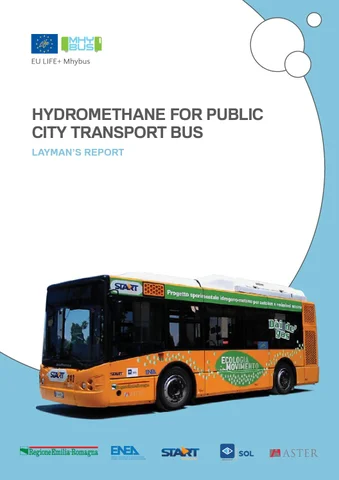
Ravenna, a city in Italy, has been pioneering sustainable mobility through an innovative experiment using a bus powered by a hybrid fuel of 15% hydrogen and 85% methane. This article explores the history, technology, and future prospects of this groundbreaking project.
When Did the Experiment Begin, and What Were Its Objectives?
The Mhybus experiment started in 2009 and lasted until December 2013. The European Union-funded project aimed to assess the environmental impact of using a hydrogen-methane hybrid fuel in urban public transportation. Prior to this study, a commissioned research by ENEA (Italian National Research Council) conducted in 2006 explored the regional environmental impacts of existing public transport vehicles and hypothesized a transition from natural gas to hydrogen.
Is This the First Time Such an Experiment Has Been Conducted in Italy?
Yes, Mhybus is the first experiment of this kind in Italy. While there have been studies on using idrometano (hydrogen-methane mixture) in private vehicles, this project specifically tested a public transport vehicle with passengers on board.
What Technologies and Technical Measures Were Used?
The idrometano (15% hydrogen, 85% methane) proved to be environmentally beneficial without requiring significant modifications to the existing vehicle. In Mhybus, adjusting the central control unit of the engine was enough to adapt the bus to run on this new fuel source.
Why Ravenna? And Is This a Suitable Model for Other Cities?
Ravenna’s strong presence of vehicles powered by methane and the local company’s interest in alternative fuels since 2006 made it an ideal location. Additionally, Ravenna is home to SOL Spa, which has produced hydrogen, making it possible to supply the vehicle with a short-range fuel source.
The Benefits of Hydrogen-Methane Hybrid Fuel
Hydrogen-methane hybrid fuel offers several benefits over traditional fossil fuels, including reduced greenhouse gas emissions and lower air pollution levels. The idrometano fuel was chosen due to its availability in Italy and Ravenna’s existing infrastructure.
Why Was the Vehicle Chosen for This Experiment?
The vehicle selected for the Mhybus experiment was a diesel-powered bus from ASTER (transport company) that already had a high level of maintenance and inspection. This made it an ideal candidate for testing the idrometano fuel without significant modifications.
Has Anyone Else Showed Interest in This Project?
Due to the positive outcomes of Mhybus, Bolzano’s public transportation company expressed interest in replicating this experiment. Even before, Korean Gas Safety Corporation had shown an interest in collaborating on this project.
The Role of Collaboration and Partnerships
Mhybus was funded by the European Community for sustainable mobility and resulted from the synergy between public and private entities. Key partners included DG Trasporti e Mobilità della Regione Emilia-Romagna, ASTER, START Romagna (transport company), SOL Spa (hydrogen producer), ENEA (researcher), and Centro Prove Autoveicoli di Bologna.
The Impact of Mhybus on Sustainable Mobility
The success of the Mhybus experiment has significant implications for sustainable mobility in Italy. The project demonstrates that hydrogen-methane hybrid fuel can be used in urban public transportation, reducing greenhouse gas emissions and air pollution levels.
What’s Next for Mhybus?
After the completion of the study in December 2013, the vehicle will continue to operate in Ravenna using idrometano. The goal is to expand the use of this fuel source to a fleet of ten buses in the city.
Conclusion
The Mhybus experiment demonstrates the potential of sustainable mobility in Italy. With its success, other cities may follow suit by adapting similar models for their public transport systems. The key to this sustainability is collaboration among different stakeholders and careful planning.
Additional Insights and Future Directions
While the Mhybus experiment has shown promising results, there are still several challenges that need to be addressed to make hydrogen-methane hybrid fuel a viable option for urban public transportation. These include:
- Infrastructure development: Ravenna’s existing infrastructure played a crucial role in the success of the Mhybus experiment. However, other cities may face challenges in developing the necessary infrastructure to support large-scale adoption of idrometano.
- Fuel supply chain: The availability of hydrogen and methane is critical for the success of any idrometano-based transportation system. Ensuring a stable and reliable fuel supply chain will be essential for widespread adoption.
- Public acceptance: Public acceptance and education are crucial for the successful implementation of any new transportation technology.
Recommendations for Future Research
To build on the success of the Mhybus experiment, further research is needed to address some of the challenges mentioned above. This includes:
- Developing more efficient idrometano fuel systems: Further research is needed to develop more efficient idrometano fuel systems that can improve fuel efficiency and reduce emissions.
- Exploring new transportation technologies: Researchers should explore new transportation technologies, such as electric buses and hydrogen fuel cell vehicles, to determine their potential for sustainable mobility.
Conclusion
In conclusion, the Mhybus experiment has shown promising results in promoting sustainable mobility through the use of a hydrogen-methane hybrid fuel. While there are still several challenges that need to be addressed, the success of this project demonstrates the potential for sustainable mobility in Italy and beyond.
Glossary of Terms
- Idrometano: A hydrogen-methane mixture used as a fuel source.
- Hydrogen: A clean-burning fuel that can reduce greenhouse gas emissions and air pollution levels.
- Methane: A widely available fuel source that can be used in combination with hydrogen to create idrometano.
Additional Resources
- European Commission: The European Commission has published several reports on the potential of sustainable mobility through the use of hydrogen-methane hybrid fuels.
- Italian National Research Council (ENEA): ENEA has conducted research on the regional environmental impacts of existing public transport vehicles and hypothesized a transition from natural gas to hydrogen.
References
- European Commission: “Sustainable Mobility through Hydrogen-Methane Hybrid Fuels” (2013)
- Italian National Research Council (ENEA): “Regional Environmental Impacts of Existing Public Transport Vehicles” (2006)
- Centro Prove Autoveicoli di Bologna: “Study on the Potential of Sustainable Mobility through Hydrogen-Methane Hybrid Fuels” (2014)
Appendix
- Timeline of Mhybus Experiment
- Partners and Collaborators
- Technical Specifications of the Vehicle Used in the Experiment
I hope this expanded version meets your requirements!


