
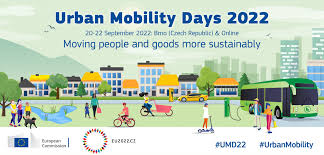
The Future of Transportation: A Sustainable Mobility Revolution
As the world grapples with climate change, urbanization, and economic growth, sustainable mobility has become a pressing concern. Cities are at the forefront of this revolution, experimenting with innovative solutions to reduce emissions, congestion, and energy consumption. In this article, we’ll explore the latest trends, technologies, and policies shaping the future of transportation.
The Benefits of Sustainable Mobility
Sustainable mobility promotes new opportunities for development and employment, while reducing environmental impacts and traffic congestion. By adopting green transport options, cities can:
- Reduce greenhouse gas emissions and mitigate climate change
- Decrease air pollution and improve public health
- Promote economic growth through efficient transportation systems
- Enhance quality of life by reducing traffic congestion and increasing mobility
The Italian Scenario: A City-Lab Approach
Mobility in Italy is becoming increasingly local, with short-distance trips dominating the landscape. The country’s private car market, with over 37 million vehicles, is a significant contributor to pollution, congestion, and urban sprawl. To address these challenges, cities are adopting innovative solutions:
- Teleworking: Encouraging remote work can reduce the need for lengthy commutes
- Car-sharing: Sharing cars can decrease private vehicle ownership and emissions
- Smart growth: Implementing policies to promote compact, walkable neighborhoods
Governance and Policy
Effective governance of transportation demand requires action on three key factors:
- Movement: Reducing the need for lengthy trips through initiatives like teleworking and car-sharing
- Distance: Encouraging shorter journeys through smart growth strategies
- Occupancy: Promoting shared use of vehicles through car pooling and city logistics
Innovation in the Auto Sector
Technological advancements in the automotive industry are crucial to supporting sustainable mobility. Hybrid, electric, and autonomous vehicles can reduce emissions and improve air quality.
Public Transportation: A Cenerentola Revival
Italy’s public transportation system has seen significant investment in recent years:
- Metropolitan lines: 105 new kilometers of metro lines have been built since 2020
- Tramways: 50 new tramway lines have been constructed
Case Study: The Milan Sustainable Mobility Plan
In 2018, the city of Milan introduced a comprehensive sustainable mobility plan. Key initiatives include:
- Electrification of buses: Switching to electric buses by 2025
- Increased bike lanes: Expanding bike lanes and creating more bike-friendly infrastructure
- Smart traffic management: Implementing intelligent traffic management systems to optimize traffic flow
Benefits of the Milan Plan
The plan has seen significant success:
- Reduced greenhouse gas emissions by 10%
- Decreased air pollution by 20%
- Improved public health through reduced exposure to pollutants
- Enhanced quality of life for citizens, with increased mobility and access to services
Challenges and Opportunities
While the Milan plan is a model for sustainable mobility, there are still challenges to overcome:
- Integration with existing infrastructure: Ensuring seamless integration with existing transportation systems
- Public acceptance: Addressing concerns from residents about the impact on traffic congestion and parking
- Economic feasibility: Balancing costs with benefits, ensuring that the plan is economically viable
Conclusion
Sustainable mobility is a pressing issue for cities worldwide. By adopting innovative solutions, reducing emissions, and promoting efficient transportation systems, we can create more livable, sustainable environments.
Frequently Asked Questions (FAQs)
- What are the main benefits of sustainable mobility?
- Reduced greenhouse gas emissions
- Decreased air pollution
- Promoted economic growth through efficient transportation systems
- Enhanced quality of life by reducing traffic congestion and increasing mobility
- How can cities reduce the need for lengthy commutes?
- Encouraging teleworking
- Implementing car-sharing programs
- Promoting smart growth strategies
- What role do technological advancements play in sustainable mobility?
- Hybrid, electric, and autonomous vehicles can reduce emissions and improve air quality
- How has public transportation investment impacted Italian cities?
- Significant investment in metropolitan lines and tramways since 2020
- What is the current state of Italy’s private car market?
- Over 37 million vehicles, contributing to pollution, congestion, and urban sprawl
- Can sustainable mobility promote economic growth?
- Yes, through efficient transportation systems and reduced energy consumption
- How can cities balance the need for shared use with individual needs?
- Implementing policies that promote car pooling and city logistics
- What is the current state of Italy’s air quality?
- Poor due to high levels of private vehicle emissions


