
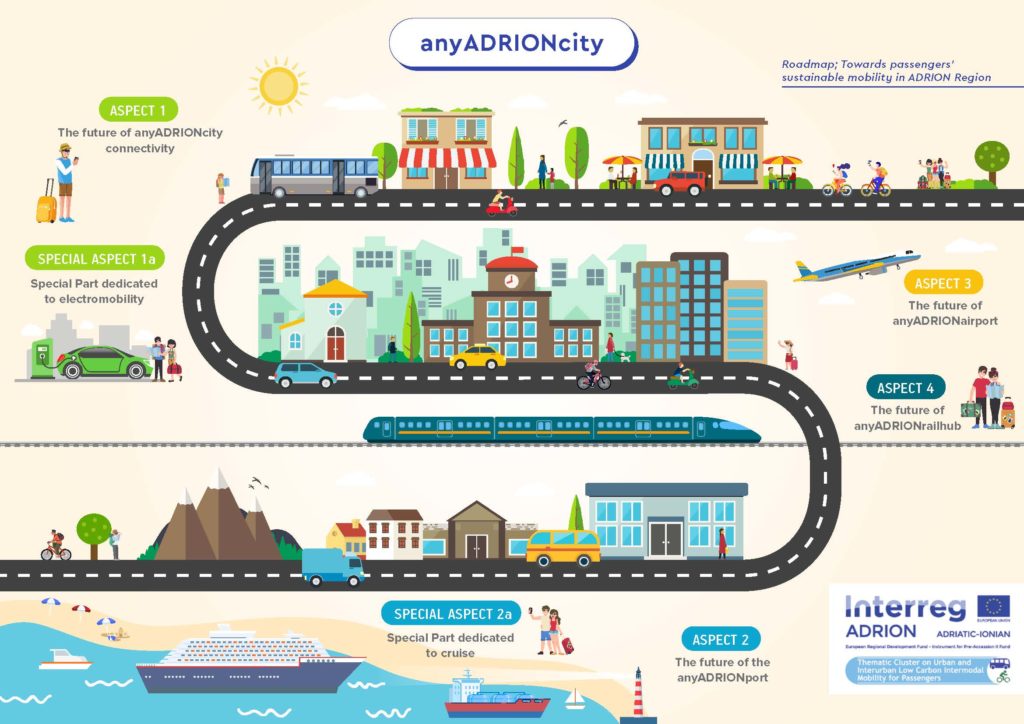
Mobility sustainability is essential for Italy, as it requires a parallel development of green economy and smart cities. This roadmap aims to create a sustainable mobility system that benefits both people and the environment.
The Need for a Sustainable Mobility System
Today, the importance of mobility sustainability cannot be overstated. The Italian government has recognized this need and launched initiatives to promote sustainable mobility. However, more needs to be done to achieve significant reductions in greenhouse gas emissions from transportation.
Italy is one of the most populous countries in the European Union, with over 60 million inhabitants. Its geographic location makes it a major transportation hub, connecting the Mediterranean Sea to the Alps and the Adriatic Sea. This connectivity has led to the growth of its economy, which is heavily reliant on international trade. However, this increased mobility also puts pressure on the country’s infrastructure, leading to congestion, air pollution, and greenhouse gas emissions.
The Italian government has recognized the need for sustainable mobility and has launched several initiatives to promote it. These include investing in electric vehicles, expanding public transportation services, and encouraging alternative modes of transportation such as cycling and walking.
Mobility Sustainability: A Multifaceted Approach
Mobility sustainability requires a comprehensive approach that incorporates various elements, including:
- Smart Cities: The development of smart cities is crucial for creating a sustainable mobility system. These cities can integrate transportation infrastructure, energy-efficient buildings, and green spaces to reduce emissions.
- App-based Mobility Solutions: Apps are becoming increasingly popular for sharing transportation services, such as car-sharing and bike-sharing. These apps can help reduce the number of private vehicles on the road and promote more efficient use of public transportation.
The Role of PUMS in Sustainable Mobility
PUMS (Urban Planning of Mobility and Services) is a tool that can be used to create sustainable mobility systems. By incorporating PUMS into urban planning, cities can optimize transportation infrastructure and services to reduce emissions and improve air quality.
PUMS involves the development of comprehensive transportation plans that take into account various factors such as population growth, economic development, and environmental sustainability. It also involves the implementation of smart traffic management systems, which can help reduce congestion and minimize the impact of traffic on the environment.
Infrastructure for Sustainable Mobility
Italy’s infrastructure is lagging behind other European countries in terms of sustainable mobility solutions. To address this issue, the Italian government should invest in infrastructure that supports sustainable mobility, such as:
- Electric Vehicle Charging Stations: The installation of electric vehicle charging stations can help reduce emissions from transportation.
- Smart Parking Systems: Smart parking systems can optimize parking spaces and reduce congestion in urban areas.
Case Study: Milan’s Sustainable Mobility Plan
Milan is one of the most populous cities in Italy, with over 5 million inhabitants. In recent years, it has implemented a comprehensive sustainable mobility plan that aims to reduce emissions and improve air quality. The plan includes investing in electric vehicles, expanding public transportation services, and encouraging alternative modes of transportation such as cycling and walking.
Milan’s sustainable mobility plan is based on the principles of sustainability, equity, and social justice. It aims to create a more inclusive and equitable transportation system that benefits all members of society, regardless of their income or social status.
Conclusion
Mobility sustainability is essential for Italy’s future. By incorporating smart cities, app-based mobility solutions, PUMS, and sustainable infrastructure into our daily lives, we can create a system that reduces emissions, improves air quality, and promotes economic growth.
Italy has made significant progress in promoting sustainable mobility in recent years, but more needs to be done to achieve significant reductions in greenhouse gas emissions from transportation. By incorporating these strategies into our daily lives, we can create a more sustainable and environmentally friendly transportation system.
Frequently Asked Questions (FAQs)
- What role does smart city development play in promoting sustainable mobility?
- Smart cities can integrate transportation infrastructure, energy-efficient buildings, and green spaces to reduce emissions.
- How can apps be used to promote sustainable mobility?
- Apps such as car-sharing and bike-sharing services can help reduce the number of private vehicles on the road and promote more efficient use of public transportation.
- What is the importance of PUMS in sustainable mobility?
- PUMS (Urban Planning of Mobility and Services) can be used to create sustainable mobility systems by optimizing transportation infrastructure and services to reduce emissions and improve air quality.
- How can electric vehicle charging stations contribute to sustainable mobility?
- The installation of electric vehicle charging stations can help reduce emissions from transportation by providing a convenient and efficient way to charge vehicles.
- What is the role of smart parking systems in promoting sustainable mobility?
- Smart parking systems can optimize parking spaces and reduce congestion in urban areas, making it easier for people to use alternative modes of transportation.
By incorporating these strategies into our daily lives, we can create a more sustainable and environmentally friendly transportation system that benefits both people and the environment.


