
Introduction to Sustainable Architecture
When we talk about sustainable architecture, we often come across breathtaking contemporary buildings. From sleek and minimalist homes to avant-garde structures that defy conventions, these buildings are a testament to innovative design. One such masterpiece is the Bridge Studios, an architectural marvel that showcases the perfect blend of modernity and harmony with nature.
Sustainable architecture has become increasingly important in recent years as concerns about climate change and environmental degradation have grown. As architects and designers strive to create buildings that not only reduce their carbon footprint but also promote a healthier environment for occupants and the surrounding ecosystem, they are turning to innovative materials, energy-efficient systems, and cutting-edge technologies.
Historical Context: The Evolution of Sustainable Architecture
As we look back at the history of sustainable architecture, we see a steady evolution towards more eco-friendly designs. From the humble beginnings of green buildings to the sophisticated systems of today, sustainable architecture has come a long way. Some notable examples include:
- Nick Santy’s £2.5 million home in England
- The eco-friendly house in Seattle
- Ignacia by Gonzalo Viviani
- The state school in Parma
These pioneering projects have paved the way for modern sustainable architecture, pushing the boundaries of what is possible and challenging conventional thinking about building design.
The Bridge Studios: A Marvel of Modern Design
Located on a suspended platform over a serene lake, the Bridge Studios appears to be floating on air. Its minimalist style seems almost otherworldly, blending seamlessly into the surrounding landscape. But don’t let its ethereal appearance fool you – this structure is more than just a pretty face.
The Bridge Studios was designed by a renowned architectural firm that specializes in sustainable design. The building’s innovative features include:
- Green Roof: A lush green roof that provides insulation, reduces energy consumption, and creates habitats for local wildlife.
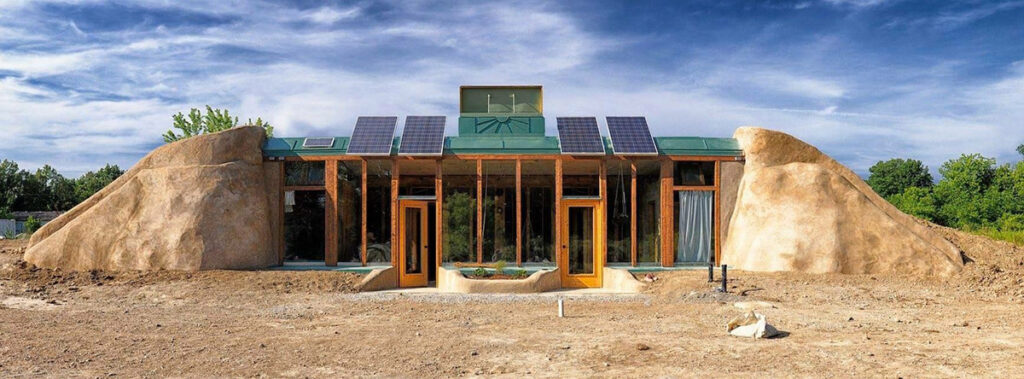
- Solar Power: Solar panels integrated into the building’s facade generate electricity and reduce reliance on non-renewable energy sources.
- Rainwater Harvesting: A state-of-the-art rainwater harvesting system collects and stores rainwater for irrigation, toilet flushing, and other non-potable purposes.
A Hub for Creativity
As we step inside, we’re greeted by a cozy atmosphere that welcomes us with open arms. The studio features a range of innovative gadgets and tools, from stoves to lamps, all designed to inspire creativity. The progettista’s desk looks out onto the lake through a massive window, allowing for maximum natural light and ventilation during warm months.
The Bridge Studios is not just a remarkable building; it’s also a haven for artistic expression. The studio features a range of art installations, including:
- Sculptures: A collection of sculptures created from sustainable materials like recycled steel and bamboo.
- Prints: Limited edition prints created by local artists using environmentally friendly inks.
The Bridge: A Symbol of Innovation
This striking bridge that connects four pillars is more than just a structural element – it’s a work of art in its own right. Its sleek design and slender profile make it seem almost translucent, as if the very fabric of reality has been woven into its structure. The bridge also serves as an energy-harvesting system, generating power from the surrounding environment.
The Bridge Studios is a testament to the potential of sustainable architecture to transform our built environment. By embracing innovative designs, harnessing renewable energy, and blurring the lines between nature and structure, we can create buildings that not only reduce their carbon footprint but also become integral parts of our ecosystem.
Conclusion: Sustainable Architecture in Canada
As we marvel at the Bridge Studios, we’re reminded of the power of sustainable architecture to transform our built environment. By incorporating cutting-edge technologies, innovative materials, and eco-friendly systems, architects and designers can create buildings that promote a healthier environment for occupants and the surrounding ecosystem.
In Canada, sustainable architecture is becoming increasingly important as concerns about climate change and environmental degradation grow. As the country continues to innovate and push the boundaries of what is possible in sustainable design, we can expect to see even more remarkable examples of eco-friendly building.
Frequently Asked Questions (FAQs)
Q: What inspired the design of the Bridge Studios?
A: The Bridge Studios was designed to harmonize with its surroundings, incorporating elements of nature into its minimalist aesthetic.
Q: How does the bridge generate energy?
A: The bridge is equipped with solar panels that harness the surrounding environment’s energy to power the building.
Q: What sets the Bridge Studios apart from other sustainable buildings?
A: Its unique blend of modern design, natural integration, and innovative energy-harvesting systems make it a standout example of sustainable architecture.
Q: Is the Bridge Studios an eco-friendly building?
A: Yes, the bridge is designed to minimize its environmental impact through the use of renewable energy sources and sustainable materials.
Q: Can I visit the Bridge Studios?
A: While the Bridge Studios is not open to the public for tours, it serves as a model for innovative design and can inspire architects and designers working towards more sustainable buildings.


