
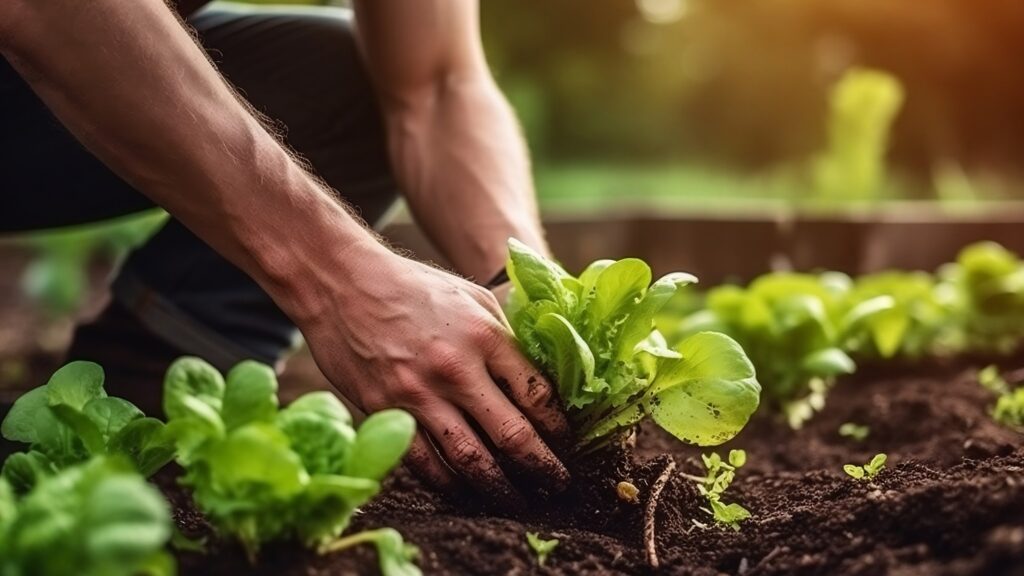
As we navigate the complexities of modern agriculture, it’s essential to grasp the concept of sustainable agriculture and its significance in ensuring a food-secure future for generations to come. In this article, we’ll delve into the world of sustainable agriculture, exploring its definition, principles, benefits, and importance.
What is Sustainable Agriculture?
Unlike organic farming and integrated farming, which have well-defined guidelines and regulations, sustainable agriculture lacks a universally recognized definition at the legislative level. However, we can draw from Greenpeace’s definition to understand the essence of sustainable agriculture:
“Sustainable agriculture respects the environment, is economically viable, respects communities and cultures, and adopts an approach based on systems that prioritize equity.”
Key Principles of Sustainable Agriculture
While there may not be a standardized set of principles for sustainable agriculture, we can identify some core concepts that guide this approach:
- Integrated Pest Management (IPM): This technique involves managing pests using natural methods, reducing the reliance on chemical pesticides.
- Natural Fertilizers: Using compost, manure, and other organic materials to fertilize crops instead of synthetic chemicals.
- Soil Conservation: Implementing practices that promote soil health, such as crop rotation and cover cropping.
- Biodiversity Preservation: Encouraging the use of heirloom varieties, preserving genetic diversity, and protecting pollinators.
The Importance of Sustainable Agriculture
As we face increasing global demands for food, water, and energy, sustainable agriculture plays a critical role in ensuring our collective well-being. Here are some key reasons why:
- Climate Change Mitigation: Sustainable agriculture practices can help sequester carbon, reduce greenhouse gas emissions, and promote climate resilience.
- Water Conservation: These methods conserve water, reducing the pressure on this scarce resource and mitigating the impacts of droughts and floods.
- Soil Erosion Prevention: Sustainable agriculture helps maintain soil health, preventing erosion and preserving fertile land for future generations.
Agricultural Innovations and Emerging Trends
As we move forward, it’s essential to stay informed about emerging trends and innovations in sustainable agriculture. Some exciting developments include:
- Precision Agriculture: The use of technology, such as drones and satellite imaging, to optimize crop yields, reduce waste, and promote more efficient resource allocation.
- Regenerative Agriculture: This approach focuses on regenerating soil health, biodiversity, and ecosystem services while improving agricultural productivity.
Benefits of Sustainable Agriculture
Sustainable agriculture offers numerous benefits for farmers, consumers, and the environment. Some key advantages include:
- Improved Crop Yields: By optimizing resource use and reducing waste, sustainable agriculture can lead to higher crop yields.
- Enhanced Food Quality: The use of natural fertilizers and reduced chemical inputs can result in healthier, more nutritious food products.
- Increased Farmer Income: Sustainable agriculture practices can help farmers improve their bottom line by reducing costs and increasing productivity.
Challenges and Limitations
Despite the many benefits of sustainable agriculture, there are also several challenges and limitations to consider. Some key issues include:
- High Upfront Costs: Implementing sustainable agriculture practices often requires significant investments in new equipment, training, or infrastructure.
- Scalability: Sustainable agriculture methods can be more labor-intensive and require more land, making them less scalable for large-scale industrial farming operations.
- Policy and Regulatory Support: The lack of clear policy and regulatory support can hinder the adoption of sustainable agriculture practices.
Case Studies: Successful Implementations
Several countries and regions have successfully implemented sustainable agriculture practices, demonstrating their potential to transform food systems. Some notable examples include:
- Costa Rica’s Green Economy: Costa Rica has made significant strides in adopting sustainable agriculture practices, prioritizing agroforestry and organic farming.
- India’s National Programme for Organic Farming: This initiative aims to promote the widespread adoption of organic farming practices across India.
Conclusion
In conclusion, sustainable agriculture is a crucial aspect of modern food production, offering numerous benefits for the environment, human health, and the economy. By embracing principles such as IPM, natural fertilizers, soil conservation, and biodiversity preservation, we can create a more resilient and sustainable food system. As we continue to innovate and explore new approaches, it’s essential to prioritize climate change mitigation, water conservation, and soil erosion prevention.
Frequently Asked Questions
Q: What is the difference between organic farming and sustainable agriculture?
A: While both approaches prioritize environmental stewardship, organic farming focuses on avoiding synthetic inputs altogether, whereas sustainable agriculture encompasses a broader range of practices that balance economic, social, and environmental considerations.
Q: Can I adopt sustainable agriculture practices without significant investments in technology or infrastructure?
A: Absolutely. Many sustainable agriculture methods are low-cost or no-cost, making them accessible to small-scale farmers and individuals. For example, using compost or crop rotation can be effective strategies for improving soil health and reducing chemical use.
Q: How can I ensure that my food choices support sustainable agriculture practices?
A: By choosing locally sourced produce, supporting Community Supported Agriculture (CSA) programs, or purchasing products certified by organizations like Fairtrade or Organic, you can promote sustainable agriculture.
Q: What role does innovation play in the development of sustainable agriculture?
A: Innovation is critical for driving progress in sustainable agriculture. Emerging technologies like precision agriculture and regenerative agriculture have the potential to improve efficiency, reduce waste, and enhance environmental outcomes.
Q: Can I still maintain high yields while adopting sustainable agriculture practices?
A: Yes, many sustainable agriculture methods can increase crop yields while reducing environmental impacts. For example, using cover crops or incorporating legumes into your rotation can help improve soil health and promote biodiversity.
Q: How can I engage with the wider community to promote sustainable agriculture?
A: Sharing knowledge through workshops, social media, or blog posts can help inspire others to adopt more sustainable agricultural practices. Additionally, supporting organizations working on sustainability initiatives in agriculture can amplify your impact.


