
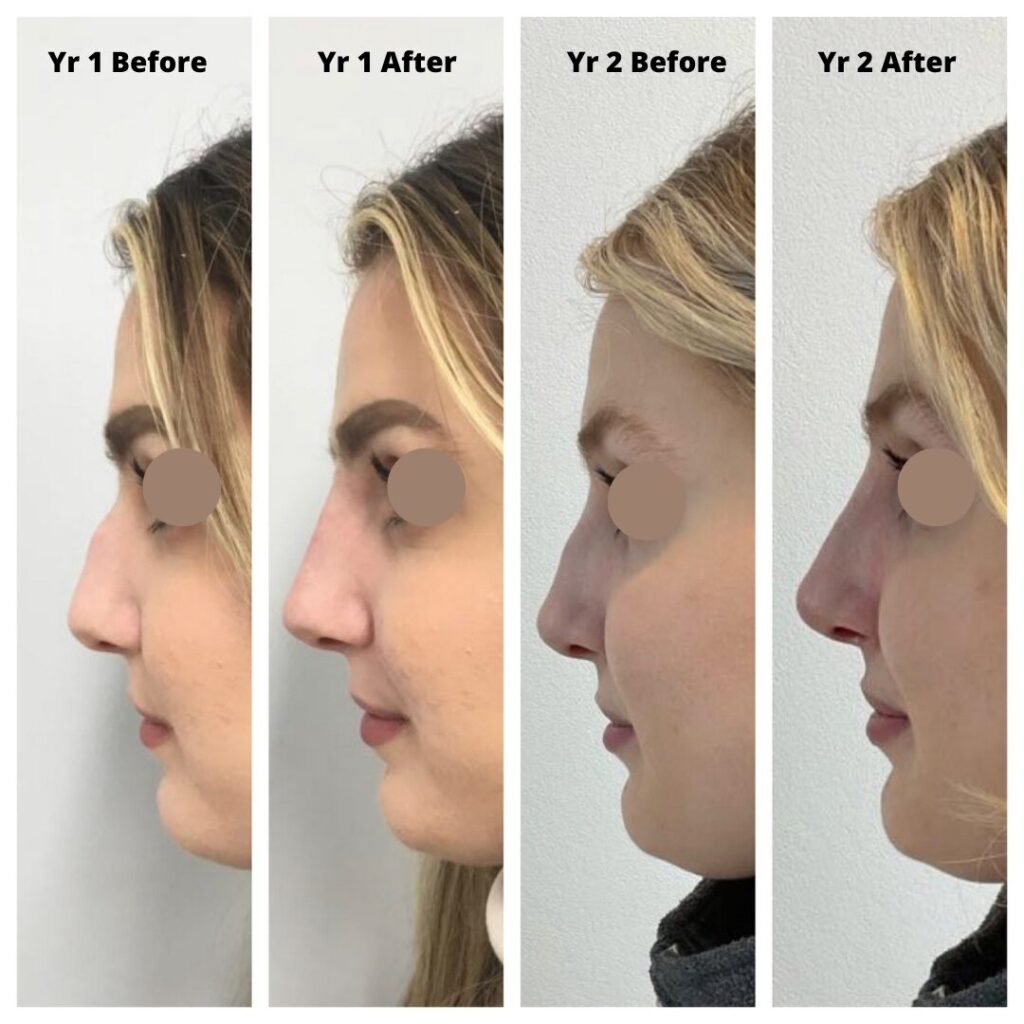
Rhinoplasty is one of the most requested procedures in aesthetic surgery, and for good reason. The nose is a highly visible feature that can greatly impact our self-esteem and overall quality of life. Whether it’s due to congenital defects, trauma, or simply a personal preference, rhinoplasty offers a comprehensive solution for those seeking to improve their nasal appearance.
In this guide, we’ll delve into the world of rhinoplasty, exploring its importance, types, benefits, risks, and recovery process. From understanding the anatomy of the nose to addressing common concerns and myths, we’ll cover it all in detail.
Understanding the Importance of Rhinoplasty
Rhinoplasty is not just about aesthetics; it’s also about improving nasal breathing function, correcting congenital defects, or repairing damage caused by trauma. A well-performed rhinoplasty procedure can greatly enhance a patient’s quality of life, allowing them to breathe more easily and confidently.
However, rhinoplasty is not without risks. Complications such as bleeding, infection, and scarring are possible, but experienced plastic surgeons have minimized these risks through proper pre- and post-operative care.
Rhinoplasty: A Multi-Faceted Procedure
Rhinoplasty surgery is a defined procedure by nature, but complications can arise if not performed correctly. Possible complications include:
- Bleeding or infection
- Scarring
- Nasal deformity
- Breathing difficulties
To minimize these risks, it’s essential to find an experienced plastic surgeon who has performed numerous rhinoplasty procedures.
The Anatomy of the Nose
Before we dive into the world of rhinoplasty, let’s take a closer look at the anatomy of the nose. The nose is composed of:
- Cartilage: Provides structure and support to the nasal bridge and tip
- Bone: Forms the upper part of the nasal bridge and helps shape the nasal cavity
- Skin: Covers the outer surface of the nose, providing protection from the elements
Understanding how these components work together is crucial for performing a successful rhinoplasty procedure.
Types of Rhinoplasty
There are several types of rhinoplasty procedures, each with its own unique benefits and risks. Some of the most common types include:
- Closed Rhinoplasty: A traditional rhinoplasty procedure where the nostrils are closed during surgery
- Open Rhinoplasty: A more modern approach that involves making an incision in the skin above the nostril to access the nasal cavity
- Ethnic Rhinoplasty: A specialized technique designed for patients of specific ethnic backgrounds, such as African American or Asian Americans
Benefits of Rhinoplasty
So what are the benefits of rhinoplasty? Some of the most significant advantages include:
- Improved Nasal Breathing Function: Rhinoplasty can help improve nasal breathing by removing obstructions and widening the nasal passages.
- Corrected Congenital Defects: Rhinoplasty can correct congenital defects such as a deviated septum or nasal bridge deformity.
- Repairing Damage Caused by Trauma: Rhinoplasty can repair damage caused by trauma, such as a broken nose or facial injury.
Risks and Complications
While rhinoplasty is generally a safe procedure, there are risks and complications that patients should be aware of. Some of the most common risks include:
- Bleeding or Infection: These complications can occur if the surgical site becomes infected or experiences excessive bleeding.
- Scarring: Scarring can occur as a result of the incision made during surgery.
- Nasal Deformity: Rhinoplasty can sometimes cause nasal deformity, which can affect breathing and overall quality of life.
Male Rhinoplasty: Debunking the Myth
Let’s dispel the myth that rhinoplasty is only for women! Men are also seeking this procedure, and its popularity is increasing. Not just after trauma or poor breathing since birth, but also to straighten the nose or eliminate a dorsal hump that doesn’t please them.
Given the nature of masculine facial structure, even slight corrections can improve things and it’s essential that the result be completely natural without any radical changes in shape.
Frequently Asked Questions
Here are some frequently asked questions about rhinoplasty:
- What are the benefits of rhinoplasty?
Rhinoplasty can correct congenital or acquired aesthetic defects, improve nasal breathing function, repair damage caused by trauma, and eliminate remaining defects after primary surgery. - Is rhinoplasty only for women?
No, rhinoplasty is not exclusive to women; men are also seeking this procedure, and its popularity is increasing. - What are the risks associated with rhinoplasty?
Possible complications include bleeding or infection, scarring, nasal deformity, and breathing difficulties. - Can I have functional rhinoplasty if I’m over 16 years old?
Yes, most patients can undergo functional rhinoplasty between the ages of 16 and 25, depending on their facial bone development. - Is rhinoplasty painful?
Rhinoplasty is performed under general anesthesia or local anesthesia with sedation, minimizing discomfort during the procedure.
In conclusion, rhinoplasty is a complex and multifaceted procedure that requires precision, skill, and attention to detail. While it may seem like a simple fix for those with imperfect noses, the process involves careful consideration of various factors such as bone structure, cartilage, and nasal function.
By understanding the importance of rhinoplasty, types, benefits, risks, and recovery process, patients can make informed decisions about this life-changing procedure.


