
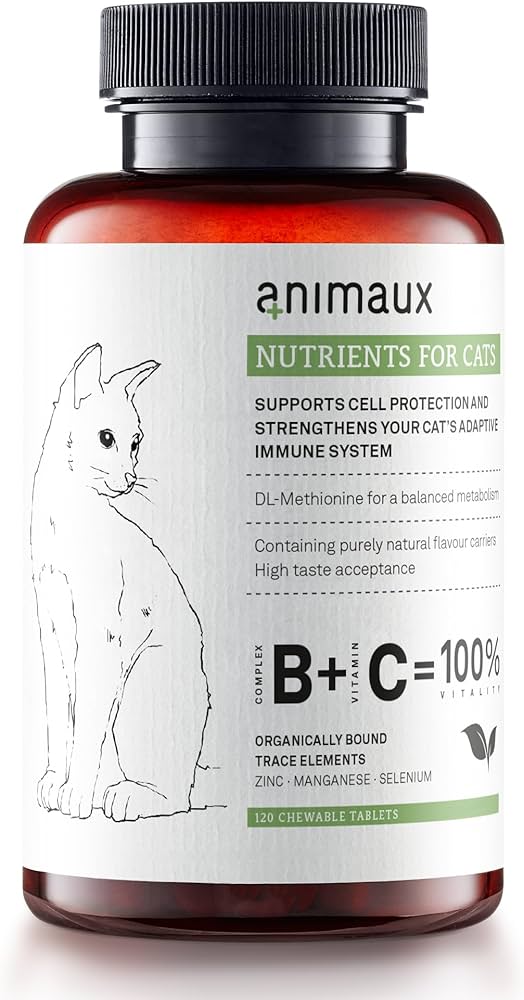
As a responsible cat owner, it’s natural to want to ensure your feline friend receives the best possible care. While a well-balanced diet is essential, supplements can play a crucial role in filling nutritional gaps and supporting overall health.
In this article, we’ll delve into the world of cat supplements, exploring different types, benefits, and how to choose the right ones for your furry companion.
Understanding Feline Nutritional Needs
Cats are obligate carnivores, meaning they require a diet rich in protein from animal sources. Their nutritional needs can vary depending on age, health status, and lifestyle. Here are some key considerations:
- Protein requirements: Cats need a minimum of 30% protein on a dry matter basis.
- Taurine: An essential amino acid found primarily in animal-based ingredients.
- Vitamin A: Important for vision, immune function, and skin health.
When Do Cats Need Supplements?
Cats may require supplements during specific life stages or when dealing with certain health issues. Some scenarios include:
- Pregnancy and lactation: Feline mothers require extra nutrients to ensure a healthy birth and milk production.
- Aging: Senior cats may need support for joint health, cognitive function, and digestive well-being.
- Medical conditions: Conditions like kidney disease, arthritis, or digestive issues can benefit from targeted supplements.
Types of Supplements for Cats
There are several types of supplements available for cats, each addressing specific needs:
- Vitamin and mineral supplements: Essential vitamins and minerals like taurine, vitamin B complex, and omega-3 fatty acids support overall health and well-being.
- Probiotics: Beneficial bacteria that promote digestive health and immune system function.
- Enzyme supplements: Aids in protein digestion, reducing the risk of gastrointestinal issues.
- Joint supplements: Supports joint health and mobility, alleviating pain and stiffness.
Benefits of Supplements for Cats
Supplements can provide various benefits for cats, including:
- Improved coat condition: Omega-3 fatty acids and other nutrients support skin and coat health.
- Enhanced immune function: Supplements like probiotics and vitamin C help boost the immune system.
- Reduced inflammation: Anti-inflammatory supplements like omega-3 fatty acids can alleviate joint pain and stiffness.
Choosing the Right Supplements for Your Cat
With so many options available, selecting the right supplements can be overwhelming. Here are some tips to keep in mind:
- Consult with your veterinarian: They can recommend specific supplements based on your cat’s age, health status, and lifestyle.
- Read labels carefully: Ensure the supplement contains no fillers or artificial ingredients.
- Look for third-party certifications: Reputable manufacturers often obtain certification from organizations like the National Science Foundation (NSF) or the Association of American Feed Control Officials (AAFCO).
A Word of Caution
While supplements can be beneficial, it’s essential to remember that they should not replace a balanced diet. Always prioritize whole foods and consult with your veterinarian before adding any supplements to your cat’s routine.
Frequently Asked Questions
- What is the most common supplement used in cats?
- Omega-3 fatty acids are often recommended for their anti-inflammatory properties and skin health benefits.
- Can I give my cat human supplements?
- No, human supplements are not formulated for feline nutrition and can be toxic or cause adverse reactions.
- How often should I give my cat supplements?
- Follow the recommended dosage and frequency outlined on the supplement label or as advised by your veterinarian.
- Can I mix different supplements together?
- It’s best to consult with your veterinarian before combining multiple supplements, as interactions can occur.
By being informed and proactive about your cat’s health, you can provide the support they need to thrive.
Additional Tips for Choosing Supplements
- Consider your cat’s individual needs: Age, health status, and lifestyle should influence supplement selection.
- Look for products from reputable manufacturers: Research companies that adhere to strict quality control standards.
- Be aware of potential interactions: Certain supplements can interact with medications or exacerbate underlying health conditions.
By prioritizing your cat’s nutritional needs and selecting the right supplements, you can help ensure a long, happy, and healthy life for your feline companion.


