
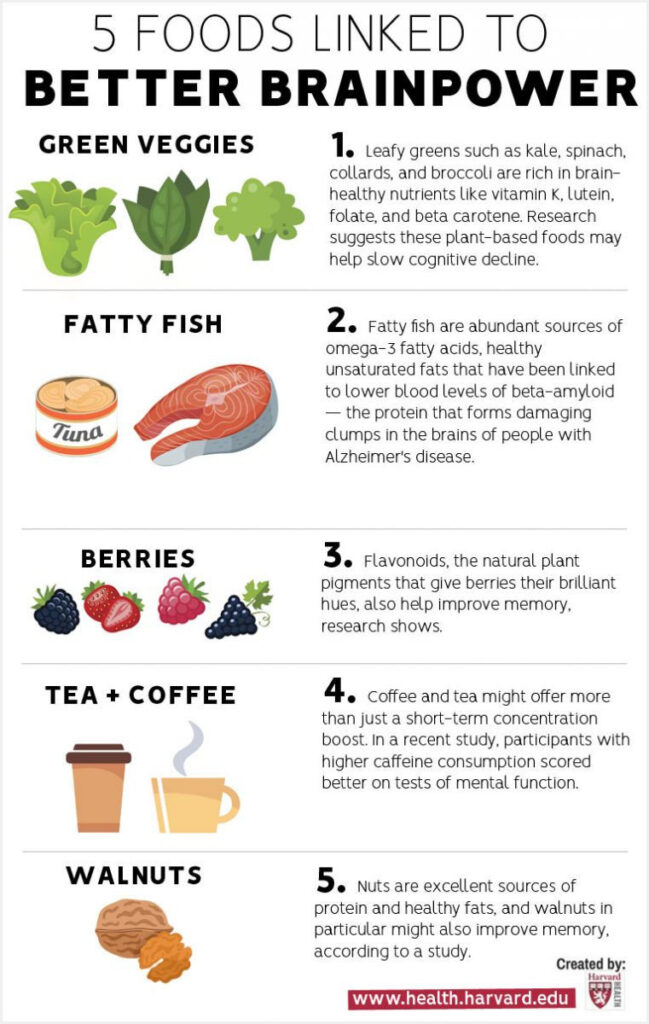
In recent years, the term “super food” has gained popularity as people seek ways to improve their overall health and well-being. But what exactly are super foods, and how can they benefit our brain health? In this article, we’ll delve into the world of super foods, exploring their benefits, examples, and simple steps to incorporate them into your diet.
What are Super Foods?
Super foods are nutrient-dense foods that have been found to have a positive impact on human health. They are often rich in vitamins, minerals, antioxidants, and other beneficial compounds that can help protect against chronic diseases, improve cognitive function, and boost overall well-being.
According to Dr. Neal D. Barnard, author of “Super Foods for the Mind: A Program for Healthy Eating and Brain Function,” super foods work by reducing inflammation and oxidative stress in the body, which are major contributors to cognitive decline. By incorporating these incredible foods into our diet, we can potentially reduce the risk of conditions like Alzheimer’s disease, stroke, and dementia.
Understanding Super Foods
So, what makes these foods truly “super”? Let’s take a closer look at some examples:
- Berries: Berries are packed with antioxidants, which help protect against oxidative stress and inflammation. Blueberries, strawberries, and raspberries are all excellent choices.
- Leafy Greens: Leafy greens like spinach, kale, and collard greens are rich in vitamins A, C, and K, as well as minerals like calcium and iron. They also contain antioxidants and anti-inflammatory compounds.
- Fatty Fish: Fatty fish like salmon, tuna, and sardines are high in omega-3 fatty acids, which support brain health and reduce inflammation.
- Nuts and Seeds: Almonds, walnuts, chia seeds, and flaxseeds are all rich in healthy fats, protein, and fiber. They also contain antioxidants and anti-inflammatory compounds.
The Science Behind Super Foods
Recent studies have shown that certain foods have a profound impact on brain health. For example:
- Eating more berries may help slow down cognitive decline: A study published in the Journal of Agricultural and Food Chemistry found that consuming blueberry extract improved memory and learning in mice.
- Leafy greens are rich in antioxidants that protect against oxidative stress: Research published in the Journal of Nutrition found that spinach and kale extracts reduced oxidative stress and inflammation in human cells.
- Omega-3 fatty acids support brain health: A study published in the journal Neurology found that omega-3 supplements improved cognitive function in patients with Alzheimer’s disease.
Small Actions for Big Impact
While super foods have incredible benefits, it’s not just about what we eat. Small changes to our daily habits can also make a significant difference:
- Stay hydrated: Drink plenty of water throughout the day to keep your brain functioning at its best.
- Exercise regularly: Physical activity has been shown to improve cognitive function and reduce stress.
- Practice mindfulness: Take time each day to meditate, practice deep breathing, or engage in other relaxing activities.
Animal Products: Are They Super Foods?
While some animal products are considered super foods, it’s essential to remember that not all of them are created equal. Barnard explains that some substances can be detrimental to our health even if they’re considered “super.” For example:
- Dairy products: High in saturated fat and cholesterol, which can increase the risk of heart disease.
- Processed meats: Linked to inflammation and oxidative stress.
Metals: Are They Super Foods Too?
Believe it or not, metals like iron, zinc, and magnesium are considered super foods due to their incredible benefits for brain health. However, excessive intake can be detrimental to our well-being.
What’s Next? Get Your Hands on the Book!
If you’re ready to unlock the power of super foods for yourself, check out Neal D. Barnard’s book “Super Foods for the Mind: A Program for Healthy Eating and Brain Function.” With its straightforward approach and scientific evidence, this book is a must-read for anyone looking to improve their brain health.
Get Ready to Boost Your Memory and Brain Health!
In conclusion, incorporating super foods into our diet can have a profound impact on our brain health. By following Barnard’s simple 3-step program, we can unlock the full potential of these incredible foods. Remember, it’s not just about what we eat – small changes to our daily habits can also make a significant difference.
Frequently Asked Questions
- What are some examples of super foods?
- Berries
- Leafy greens
- Fatty fish (rich in omega-3 fatty acids)
- How can I incorporate super foods into my diet?
- Start by adding a few servings of berries or leafy greens to your meals each day
- Choose fatty fish as a regular source of protein
- What are some simple changes I can make to improve my brain health?
- Stay hydrated by drinking plenty of water throughout the day
- Exercise regularly to support cognitive function and reduce stress
- Can super foods really prevent conditions like Alzheimer’s disease and stroke?
- While more research is needed, the evidence suggests that incorporating super foods into our diet may help reduce the risk of these conditions.
- What about animal products – are they always a good choice?
- Not all animal products are created equal; some can be detrimental to our health even if they’re considered “super.”
- How can I get started with Neal D. Barnard’s program?
- Check out his book, “Super Foods for the Mind: A Program for Healthy Eating and Brain Function,” or visit his website for more information.
- What about other ways to boost my brain health – are there any additional tips?
- Stay hydrated
- Exercise regularly
- Practice mindfulness


