
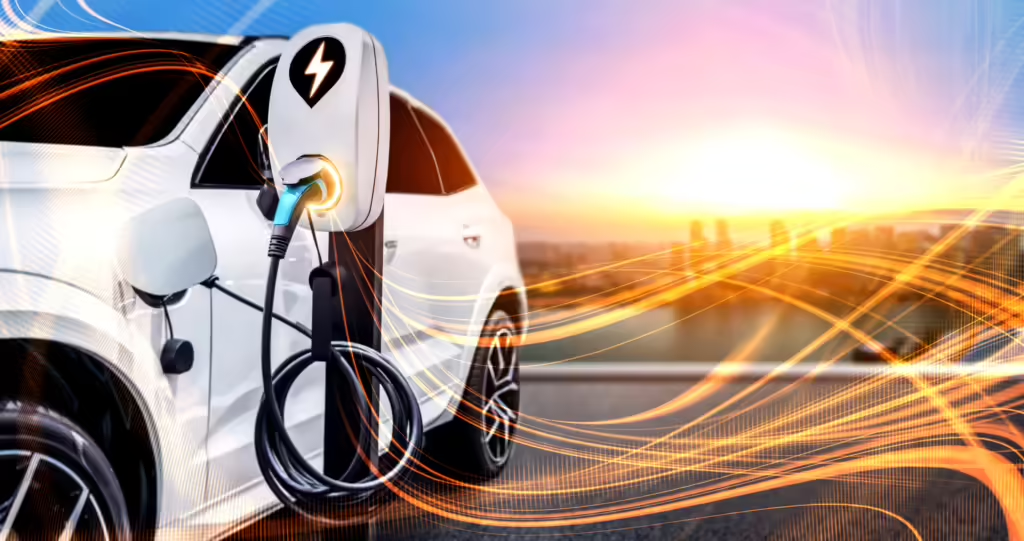
As we move towards a future where electric vehicles are the norm, one of the biggest concerns is the autonomy and charging time of their batteries. But what if we told you that researchers have made a breakthrough in creating super-fast charging batteries? In this article, we’ll delve into the world of fast charging batteries, explore their potential applications, and examine what the future holds for electric vehicles and electronics.
The Problem with Current Batteries
Current lithium-ion batteries can only charge at a rate of up to 10-15% per minute. This means that charging an entire battery takes several hours. But what if we could change this? What if we could create a battery that could charge in just minutes?
For example, imagine you’re on the road and your car’s battery is running low. You pull over and plug it into a super-charging station, and within 10-15 minutes, the battery is fully charged. This is not only convenient but also reduces the time spent waiting for an entire battery to be charged from hours to just minutes.
Enter the Super Charging Battery
Researchers have been working on developing super-charging batteries that can charge at rates of up to 120 times faster than current lithium-ion batteries. These new batteries use advanced materials and designs to achieve such high charging speeds.
One way this is achieved is through the use of graphene, a highly conductive material that allows electrons to flow quickly through the battery cells. This creates a network of “super highways” for electrons to travel through, allowing for faster charging times.
Another approach involves using multiple layers of electrodes and separators to create a high surface area for electron transfer. This increases the rate at which ions can move between the electrodes, leading to faster charging speeds.
The Science Behind Super Charging Batteries
So how do super-charging batteries work? It’s all about the design of the battery cells themselves. By using advanced materials and designs, researchers have been able to create batteries that can charge at incredible rates.
One of the key challenges in developing super-charging batteries is increasing the surface area of the electrodes while maintaining a stable structure. This requires careful engineering and optimization of the battery material.
The Future of Electric Vehicles
So what does this mean for electric vehicles? With super-charging batteries, we could see a significant reduction in charging times. Imagine being able to charge an entire battery in under 10 minutes. This would not only make electric vehicles more convenient but also increase their adoption rates.
But it’s not just about convenience. Super-charging batteries could also play a key role in reducing greenhouse gas emissions by enabling faster refueling of electric vehicles. With fewer cars on the road, we can reduce our reliance on fossil fuels and move towards a cleaner, more sustainable transportation system.
The Benefits of Super-Charging Batteries for Electric Vehicles
There are several benefits to using super-charging batteries in electric vehicles:
- Increased range: With faster charging times, electric vehicles could travel longer distances without needing to recharge.
- Improved efficiency: Super-charging batteries can reduce the energy required to charge an electric vehicle, making it more efficient and environmentally friendly.
- Reduced greenhouse gas emissions: By enabling faster refueling of electric vehicles, super-charging batteries can play a key role in reducing greenhouse gas emissions from transportation.
The Future of Electronics
But super-charging batteries aren’t just limited to electric vehicles. They also have the potential to revolutionize the way we use electronics. Imagine being able to charge your phone or laptop in a matter of seconds. No more waiting around for hours to get your device fully charged.
This could have a major impact on industries such as healthcare, where portable devices are used extensively. With faster charging times, medical professionals could quickly recharge devices and respond to emergencies more effectively.
Potential Applications of Super-Charging Batteries
Super-charging batteries have the potential to revolutionize a wide range of applications beyond electric vehicles:
- Laptops and computers: Faster charging times would make it possible to charge laptops and computers in seconds, making them ideal for mobile workers.
- Medical devices: Portable medical devices such as defibrillators and ventilators could be charged quickly, allowing medical professionals to respond more effectively to emergencies.
- Consumer electronics: Super-charging batteries could enable faster charging times for consumer electronics such as smartphones and tablets.
Conclusion
In conclusion, super-charging batteries have the potential to revolutionize the way we use electric vehicles and electronics. With faster charging times, we can increase adoption rates, reduce greenhouse gas emissions, and improve energy efficiency.
As we move towards a future where electric vehicles are the norm, it’s essential that we invest in technologies like super-charging batteries to make them more convenient and accessible.
Frequently Asked Questions
- What is a super-charging battery?
A super-charging battery is a type of lithium-ion battery that can charge at rates of up to 120 times faster than current lithium-ion batteries. - How long would it take to fully charge an electric vehicle with a super-charging battery?
It’s estimated that super-charging batteries could allow for charging times as short as 10 minutes, reducing the time spent waiting for an entire battery to be charged from hours to just minutes. - What are the potential applications of super-charging batteries?
Super-charging batteries have the potential to revolutionize a wide range of applications beyond electric vehicles, including laptops, medical devices, and consumer electronics. - How does a super-charging battery work?
A super-charging battery uses advanced materials and designs to create a high surface area for electron transfer, allowing ions to move quickly between electrodes and increasing charging speeds. - Is super-charging technology ready for widespread adoption?
While the technology is still in its early stages, researchers believe that it has the potential to revolutionize the way we use electric vehicles and electronics.


