
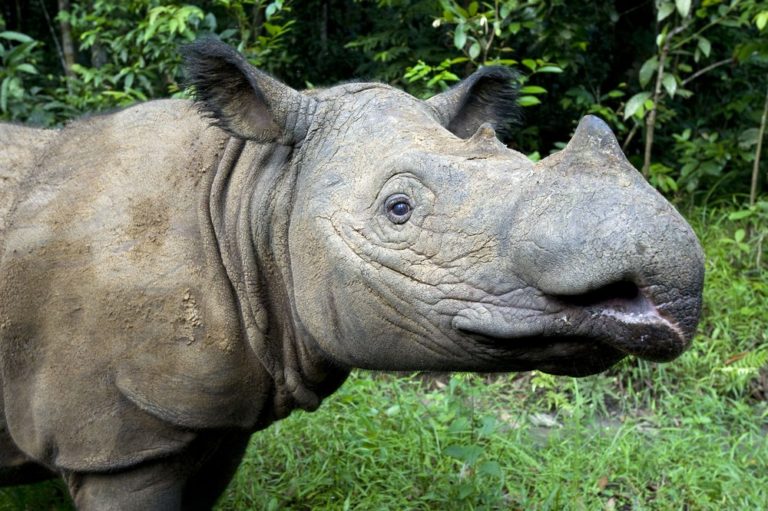
The Sumatran rhino is one of the five remaining species of rhinoceroses and is considered the smallest among them. This species belongs to the family Rhinocerotidae and is native to the island of Sumatra, Indonesia. The Sumatran rhino is a solitary and timid animal that prefers to live in dense, humid forests.
Classification
The Sumatran rhino (Dicerorhinus sumatrensis) is classified as a critically endangered species by the International Union for Conservation of Nature (IUCN). There are only around 80-120 individuals of this subspecies remaining in the wild, making it one of the rarest and most threatened animals in the world. The Sumatran rhino is also known as the “Sumatran hairy rhinoceros” or “hairy rhinoceros”.
Habitat and Distribution
The Sumatran rhino inhabits the dense forests of Sumatra, as well as parts of Malaysia and Borneo. The species is found primarily in the mountainous regions of Sumatra, where the forests are dense and humid. The Sumatran National Park in Malaysia is home to the largest population of this subspecies. The habitat of the Sumatran rhino is characterized by high levels of rainfall, with an average annual rainfall of over 3,000 mm.
Conservation Status
The Sumatran rhino is considered critically endangered due to habitat loss and poaching for its horns, which are highly valued in traditional medicine. The species is also threatened by human-wildlife conflict, as the animals are forced to venture into agricultural areas in search of food and water. Conservation efforts are underway to protect this species and its habitat.
Biology and Behavior
The Sumatran rhino is a herbivore that feeds on leaves, grasses, fruits, and aquatic plants. The species is known for its selective diet, preferring certain plant species over others. The rhinos have a long gestation period of around 15 months, after which they give birth to a single calf. The young are cared for by their mothers for approximately two years before becoming independent.
Threats and Conservation Efforts
Poaching is a major threat to the Sumatran rhino population, as its horns are highly valued in traditional medicine. Habitat loss due to deforestation and agricultural expansion also poses a significant threat to this species. The main reasons for habitat loss include:
- Deforestation for agriculture and urban development
- Logging and wood harvesting
- Mining and drilling operations
Conservation efforts include the protection of habitats through national parks and reserves, as well as breeding programs in captivity.
Human-Rhino Conflict
The decline of the Sumatran rhino population has led to increased human-wildlife conflict. As the animals venture into agricultural areas in search of food and water, they come into conflict with humans, who view them as a threat to their livelihoods. Efforts are being made to educate local communities about the importance of conserving this species, as well as promoting sustainable land-use practices.
Reintroduction Programs
Reintroduction programs are being implemented in various parts of Sumatra and Malaysia to help increase the population of this subspecies. The program involves capturing rhinos from captivity and releasing them into their natural habitat. The reintroduced individuals are monitored closely to ensure that they can survive and thrive in their new environment.
Community Engagement
Community engagement is a crucial aspect of conservation efforts for the Sumatran rhino. Local communities are often involved in the protection of the species, as they understand the importance of preserving their unique cultural heritage. Efforts are being made to educate local communities about the benefits of conserving this species, including:
- The importance of biodiversity
- The role of the Sumatran rhino in maintaining ecosystem balance
- The economic benefits of conservation
Education and Awareness
Education and awareness are key components of conservation efforts for the Sumatran rhino. Raising public awareness about the plight of this species can help to mobilize support for conservation efforts. Efforts include:
- Educational programs for schools and communities
- Public outreach campaigns
- Collaborations with local media outlets
Legislation
Legislation plays a crucial role in protecting the Sumatran rhino and its habitat. Laws such as the Indonesian National Conservation Plan and the Malaysian Endangered Species Act provide legal protections for this species.
Conclusion
The Sumatran rhino is a critically endangered species that requires urgent conservation efforts to prevent its extinction. The combination of habitat loss, poaching, and human-wildlife conflict makes it one of the most threatened animals in the world. It is essential that we take immediate action to protect this species and its habitat, as well as promote sustainable land-use practices.
Frequently Asked Questions
- What is the main threat to the Sumatran rhino population?
The main threats to the Sumatran rhino population are habitat loss due to deforestation and poaching for its horns. - How many individuals of this subspecies remain in the wild?
There are approximately 80-120 individuals of the Sumatran rhino remaining in the wild. - What is the primary cause of human-rhino conflict?
Human-wildlife conflict occurs when the animals venture into agricultural areas in search of food and water, leading to conflicts with humans. - Are there any conservation efforts underway to protect this species?
Yes, there are several conservation efforts underway, including habitat protection through national parks and reserves, as well as breeding programs in captivity. - Can the Sumatran rhino be saved from extinction?
Yes, with concerted efforts to protect its habitat and reduce human-wildlife conflict, it is possible to save this species from extinction.


