
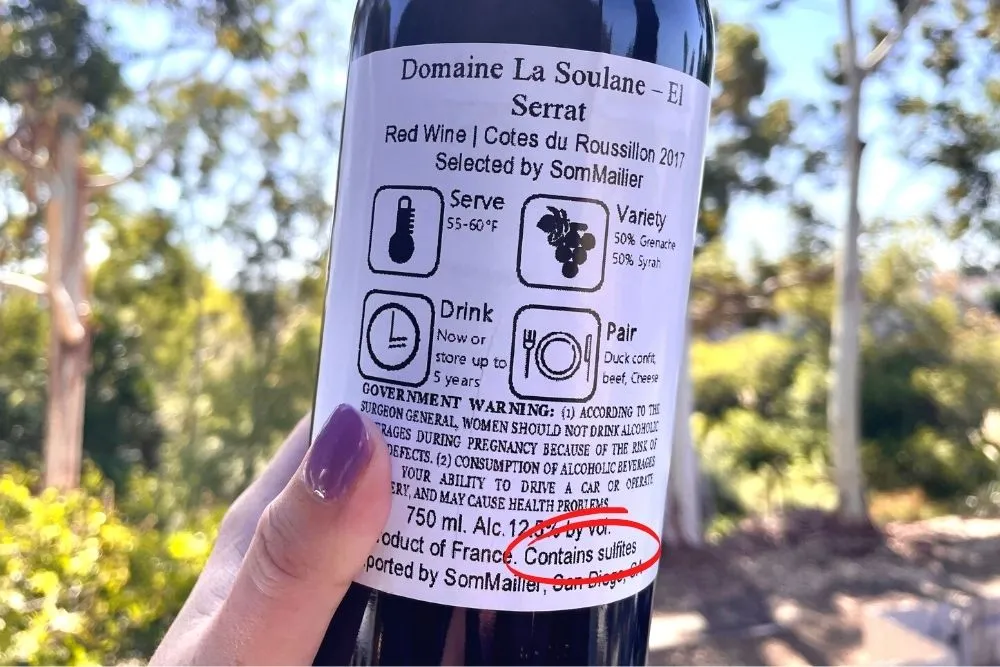
When you see the phrase “contains solfites” on a wine label, it’s essential to know what this means and why it matters. In this article, we’ll delve into the world of solfites, explore their presence in wine and wine biologique, and discuss how they impact your health.
What are Solfits?
Solfits, also known as sulfites, are a large family of chemical compounds that contain sulfur and oxygen. They have various applications, including use as additives in the food industry. The European Union has set a minimum threshold for solfite levels in food products to ensure consumer safety.
The Impact of Solfits on Health
While some may argue that solfites are harmless, research suggests they can cause allergic reactions and other health issues in sensitive individuals. For example, people with migraines or other conditions may experience symptoms such as headaches, itching, and respiratory problems when consuming products containing high levels of solfites.
Solfits in Wine
Wine producers often add solfites to their products to extend shelf life and prevent spoilage. There are two types of solfites present in wine:
- Natural Solfits: These occur naturally during the fermentation process, when yeast breaks down sugars into carbon dioxide and other compounds.
- Added Solfits: These are introduced through the use of sulfur-based additives.
Solfits in Wine Biologique
Wine biologique, or organic wine, may contain solfites, but at lower levels than traditional wines. The European Union has set specific limits on solfite levels in organic wines:
- Red Wines: 100 mg/l
- White Wines and Rosé Wines: 150 mg/l
When shopping for wine, you’ll typically find three options on the label:
- “No Solfites”: This means the product contains no added solfites.
- “Contains Solfites”: This indicates that the product meets the EU’s minimum threshold of 10 mg/l solfites.
- No Indication: In this case, the product may contain lower levels of solfites (below the threshold).
Why Can’t We Know How Much Solfits Are in Our Wine?
The European Union does not require wine labels to specify the exact amount of solfites present in a given product. However, producers are bound by the regulations and must adhere to the set limits.
Solfits vs. High-Quality Wines
Wine connoisseurs often argue that high-quality wines contain fewer solfites than commercial products. This is because natural winemaking processes tend to produce fewer additives, including sulfur compounds.
Identifying Solfits in Food Products
When shopping for packaged foods, you may come across solfites listed on the ingredient label. Here are some common terms related to solfites:
- Anidride Solforosa (E220): A sulfur-based additive used as a preservative.
- Solfito di Sodio (E221) and Bisolfito di Sodio (E222): Sulfite salts added to food products for preservation.
The Risks of Consuming High Levels of Solfits
Consuming excessive amounts of solfites can lead to a range of health issues, including:
- Headaches
- Allergic reactions
- Respiratory problems
If you’re concerned about solfites in your diet, it’s essential to be aware of the products you consume and choose options that align with your dietary needs.
Frequently Asked Questions
- What are solfits?
Solfits, also known as sulfites, are a family of chemical compounds containing sulfur and oxygen. - Why do wines contain solfites?
Wine producers often add solfites to extend shelf life and prevent spoilage. - Can I be allergic to solfites?
Yes, some individuals may experience allergic reactions or sensitivities when consuming products with high levels of solfites. - What is the difference between natural and added solfites in wine?
Natural solfits occur during fermentation, while added solfites are introduced through sulfur-based additives. - Can I trust the “No Solfites” label on a wine bottle?
The “No Solfites” label means the product contains no added solfites, but it does not guarantee that all natural solfits have been removed. - How much solfite is safe to consume daily?
There is no specific daily recommended intake for solfites, as individual tolerance and sensitivity vary greatly. - Can I avoid consuming products with high levels of solfites?
Yes, be mindful of food labels and choose products with lower solfite content or opt for organic or natural alternatives.
Understanding Wine Labeling Regulations
The European Union has established regulations regarding the use of sulfites in wine production. These regulations aim to ensure consumer safety while also promoting sustainable winemaking practices.
Types of Sulfites Used in Winemaking
There are several types of sulfur compounds used in winemaking, including:
- Dimethyl Disulfide (DMDS): A naturally occurring compound that can contribute to off-flavors and aromas.
- Dithionite: A sulfur-based additive used to prevent spoilage and extend shelf life.
- Potassium Metabisulfite: A common sulfite salt added to wines to preserve color, flavor, and aroma.
Reducing Solfites in Wine
Wine producers can reduce solfite levels through various techniques, including:
- Natural Winemaking: This approach involves using minimal additives and relying on natural fermentation processes.
- Sulfur-Free Winemaking: Some producers use alternative methods to prevent spoilage and extend shelf life without adding sulfites.
Conclusion
Understanding the role of solfites in wine production and their impact on human health is crucial for making informed choices about your diet. By recognizing the different types of solfites present in wine and being mindful of food labels, you can enjoy a more balanced relationship with wine.


