
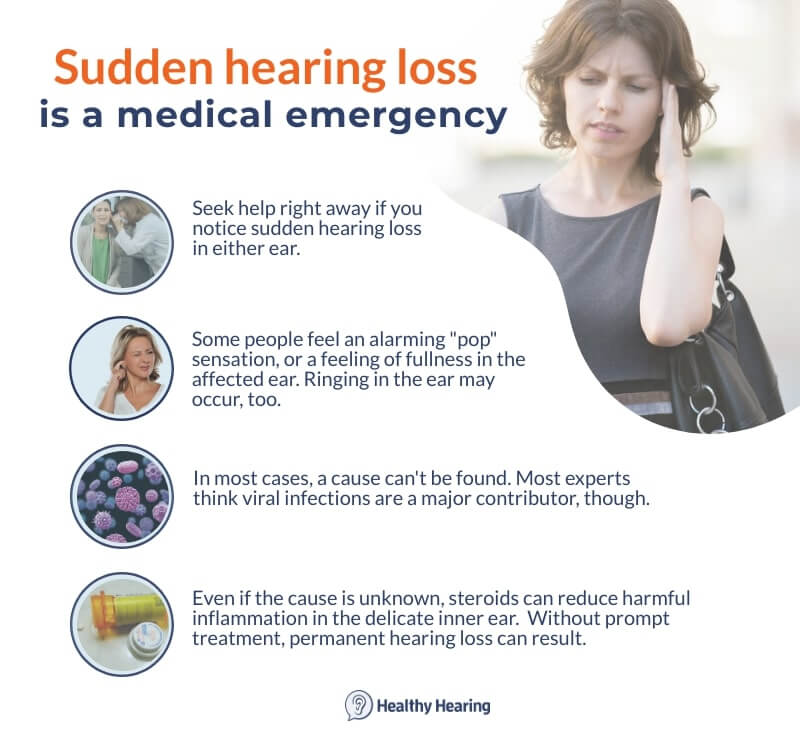
Sudden hearing loss, also known as acute hearing loss or ipoacusia improvvisa, refers to the unexpected loss of hearing in one or both ears. The condition can manifest in a few minutes or hours, and while its causes are not yet fully understood, certain factors have been identified.
The Impact of Sudden Hearing Loss
The effects of sudden hearing loss can vary from mild to severe and may be permanent if left untreated. In some cases, the loss of hearing can occur simultaneously with ear pain, known as acute otitis media. The impact of sudden hearing loss can also affect daily life, leading to difficulties in communication, social isolation, and reduced quality of life.
Possible Causes of Sudden Hearing Loss
While the exact cause of sudden hearing loss is still unknown, several factors have been linked to its development:
- Stress: A chaotic environment or high work pressure may lead to circulatory problems in the inner ear, causing hearing loss.
- Viral infections like herpes or varicella: These viruses can cause inflammation in the inner ear, leading to hearing loss.
- Arteriosclerosis and related circulatory issues: The narrowing of blood vessels in the head can reduce blood flow to the inner ear, resulting in hearing loss.
- Metabolic disorders such as diabetes or high cholesterol: High levels of sugar and cholesterol can damage the blood vessels in the ears, leading to hearing loss.
- Neck injuries, particularly those affecting the cervical spine (e.g., whiplash): Whiplash can cause shockwaves that travel through the inner ear, resulting in hearing loss.
- Blood clots in the ear canal: Blood clots can block the flow of blood to the inner ear, leading to hearing loss.
- Inner ear thrombosis: A blood clot in the inner ear can cause sudden hearing loss.
The Role of Stress
Stress is a common trigger for sudden hearing loss. Chronic stress can lead to increased blood pressure, which can damage the blood vessels in the ears and reduce blood flow to the inner ear. Stress can also cause muscle tension, leading to head movements that can further strain the inner ear.
To minimize this risk, it’s essential to manage stress levels through:
- Regular exercise
- Relaxation techniques such as meditation or deep breathing
- A healthy diet rich in omega-3 fatty acids and antioxidants
- Getting enough sleep
Diagnosing Sudden Hearing Loss
To determine the cause of sudden hearing loss, a medical professional will conduct various tests, including:
- Blood pressure measurement: To check for any underlying conditions that may be contributing to sudden hearing loss.
- Blood analysis: To check for signs of infection or inflammation in the body.
- Microscopy or ultrasonography: To examine the inner ear and middle ear for any abnormalities.
- Audiometry tests: To assess hearing loss and its location (inner ear or middle ear).
Symptoms of Sudden Hearing Loss
The primary symptoms of sudden hearing loss include:
- Vertigo: A feeling of dizziness or spinning, which can be caused by the inner ear’s inability to balance properly.
- Reduced sensitivity in the outer ear: Decreased ability to detect sound waves entering the ear canal.
- Pressure in the ear: A feeling of fullness or blockage in the ear.
While ear pain is not a typical symptom of sudden hearing loss, ringing in the ear or vertigo may be present. In some cases, a person may experience:
- Tinnitus (ringing in the ears): A condition characterized by persistent ringing or other sounds in the ears.
- Vertigo (dizziness): A feeling of spinning or unsteadiness, which can cause difficulty with balance and coordination.
Treatment for Sudden Hearing Loss
To treat sudden hearing loss, medical professionals will focus on reducing factors that contribute to its development and promoting blood flow to the affected ear. Treatment options include:
- Medications to improve circulation: To increase blood flow to the inner ear and promote healing.
- Anesthetics to block nerves that may be causing constriction: To relieve pressure in the ear canal and reduce discomfort.
- Auditory devices to help mask ringing or tinnitus: To alleviate symptoms associated with sudden hearing loss.
Note that treatment must begin promptly, as the prognosis for sudden hearing loss improves with early intervention.


