
As we indulge in sweet treats, many of us are aware of the negative impact sucrose can have on our health. But what exactly is sucrose, and how does it affect our bodies? In this article, we’ll delve into the world of sucrose, exploring its composition, potential risks, and alternatives.
What Is Sucrose?
Sucrose, commonly known as table sugar, is a disaccharide formed from the combination of glucose and fructose molecules. It’s widely present in many plant-based foods, particularly in fruits. The chemical formula for sucrose is C12H22O11, making it a simple, yet complex carbohydrate.
The Structure of Sucrose
Sucrose can exist in two forms: as a crystalline powder at room temperature and pressure, or dissolved in water. Its structure consists of two monosaccharides (glucose and fructose) connected through a glycosidic bond. This bond allows sucrose to dissolve easily in water, making it an ideal sweetener for cooking and baking.
Sucrose in Nature
Sucrose is abundant in nature, found not only in fruits but also in honey, particularly the purest types. However, most commercial honey contains higher amounts of fructose than sucrose. The main sources of sucrose are:
- Sugarcane
- Sugar beets
- Fruits (especially grapes and bananas)
Sucrose in Food and Beverages
Sucrose is a staple ingredient in many baked goods, desserts, and beverages. Its sweet taste makes it an ideal additive to various products, from cereals to soft drinks.
The History of Sucrose
The history of sucrose dates back thousands of years, with ancient civilizations such as the Egyptians and Greeks using sugarcane to produce sugar. The process of refining sugar was later developed in Europe during the Middle Ages, resulting in the widespread use of sucrose as a sweetener.
Does Sucrose Harm Us?
While sucrose itself is not toxic, excessive consumption can lead to negative health effects. Some potential risks associated with high sucrose intake include:
- Tooth decay (due to its ability to feed oral bacteria)
- Obesity and weight gain (as it’s easily digestible and high in calories)
- Insulin resistance and type 2 diabetes (linked to high glycemic index)
The Impact of Sucrose on Oral Health
Consuming excessive sucrose can lead to an overgrowth of oral bacteria, which produce acid that damages tooth enamel. This process is known as demineralization, where the teeth become increasingly susceptible to decay.
Sucrose and Weight Management
Excessive sucrose consumption can contribute to weight gain and obesity, particularly in children. As a high-energy carbohydrate, it’s easy to overconsume, leading to an imbalance in energy intake and expenditure.
Sucrose and Diabetes
Consuming large amounts of sucrose may increase the risk of developing insulin resistance and type 2 diabetes. This is because sucrose raises blood sugar levels, which can lead to chronic inflammation and metabolic imbalances.
The Role of Sucrose in Modern Society
Sucrose plays a significant role in modern society, particularly in the food industry. It’s used as an ingredient in many processed foods, including baked goods, cereals, and sweetened beverages. The widespread use of sucrose has contributed to its high prevalence in our diets.
Alternatives to Sucrose
Fortunately, there are many alternatives to sucrose that offer similar sweetness without the risks:
- Stevia
- Xylitol
- Sorbitol
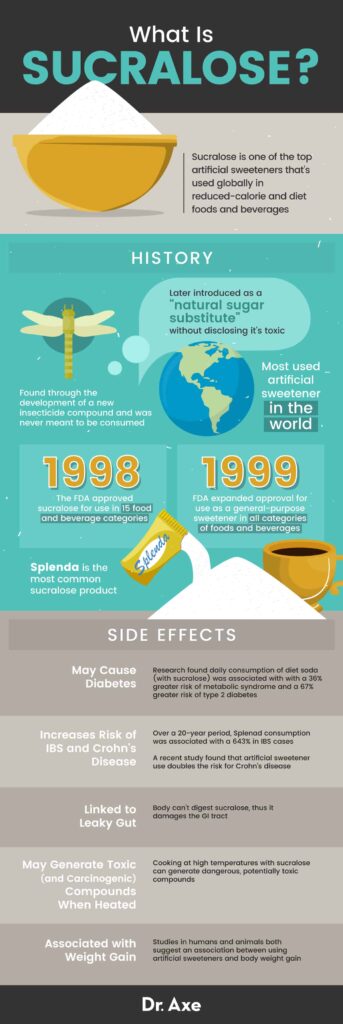
- Sucralose
- Erythritol
These natural sweeteners have gained popularity in recent years, providing consumers with healthier options for satisfying their sweet tooth.
The Pros and Cons of Natural Sweeteners
Natural sweeteners like stevia and xylitol offer a healthier alternative to sucrose. However, they also have some potential drawbacks:
- Stevia: Can have a bitter aftertaste
- Xylitol: May cause digestive issues in some individuals
- Sorbitol: Can cause bloating and gas
Choosing the Right Natural Sweetener
When selecting a natural sweetener, consider factors like taste, sweetness level, and potential side effects. Some popular options include:
- Stevia: Popular for its zero-calorie content and low glycemic index
- Xylitol: Used in sugar-free gum and toothpaste due to its antimicrobial properties
- Sorbitol: Commonly used in sugar-free candies and baked goods
Conclusion
Sucrose is a widely used sweetener that can be detrimental to our health if consumed excessively. Understanding its composition and potential risks is crucial in making informed choices about the food we eat. By exploring alternatives to sucrose, we can enjoy sweets without compromising our well-being.
Frequently Asked Questions (FAQs)
- What are the benefits of consuming sucrose?
Sucrose provides energy and has been used as a sweetener for centuries. It’s also commonly used in baking and cooking due to its sweetness and ability to dissolve easily in water.
2. Is sucrose bad for my teeth?
Yes, excessive sucrose consumption can lead to tooth decay and other oral health issues. This is because it feeds oral bacteria that produce acid, damaging tooth enamel.
3. Can I consume high amounts of sucrose without gaining weight?
While sucrose itself is not directly linked to weight gain, consuming excessive amounts can lead to an imbalance in energy intake and expenditure, increasing the risk of obesity.
4. Does sucrose affect my blood sugar levels?
Yes, consuming large amounts of sucrose can raise blood sugar levels, potentially leading to insulin resistance and type 2 diabetes.
5. Are natural sweeteners better than sucrose?
Natural sweeteners like stevia and xylitol offer a healthier alternative to sucrose, as they’re less processed and contain fewer calories.
6. Can I use sucrose in moderation without negative effects?
Yes, moderate consumption of sucrose is unlikely to cause significant harm. However, it’s essential to balance your diet with other nutrient-dense foods and limit excessive sugar intake.
7. How do I choose the right natural sweetener for my needs?
When selecting a natural sweetener, consider factors like taste, sweetness level, and potential side effects. Some popular options include stevia, xylitol, and erythritol.
Recommendations for Reducing Sucrose Intake
If you’re looking to reduce your sucrose intake, here are some recommendations:
- Read food labels carefully and choose products with minimal added sugar
- Opt for natural sweeteners like stevia or honey instead of refined sugars
- Limit your consumption of sugary drinks and baked goods
- Choose whole, unprocessed foods whenever possible
Conclusion
In conclusion, understanding sucrose is essential in making informed choices about the food we eat. By exploring its composition, potential risks, and alternatives, we can enjoy sweets without compromising our well-being. Remember to read food labels carefully, choose natural sweeteners, and limit excessive sugar intake to reduce your risk of negative health effects.


