
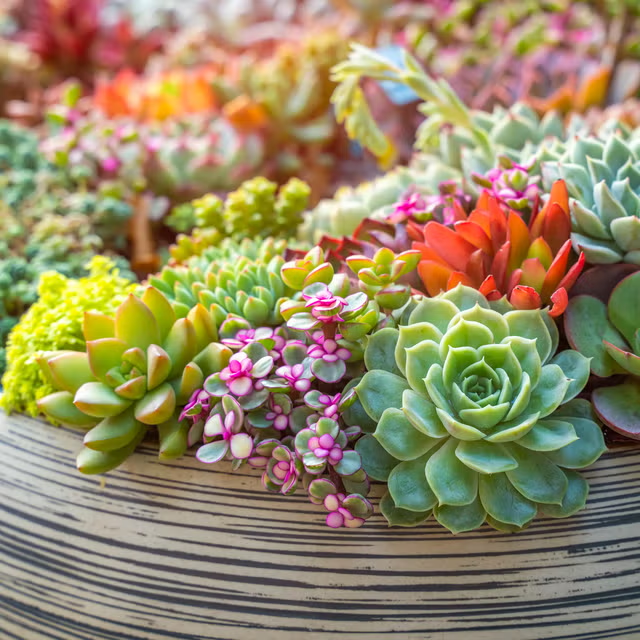
As we delve into the fascinating realm of succulents, it’s impossible not to be captivated by their unique shapes, vibrant colors, and delicate flowers. But did you know that there are over 200 species of succulent plants that produce stunning flowers? In this article, we’ll explore the world of succulent flowers in depth, discussing their types, care requirements, and how to cultivate them in your home or garden.
Understanding Succulent Flowers
Succulent flowers come in a wide range of shapes, sizes, and colors. They can be small and delicate or large and showy, depending on the species. Some succulents produce multiple flowers on a single stem, while others may only bloom once every few years. When choosing a succulent with flowers, consider factors such as sunlight exposure, watering habits, and fertilization requirements.
Positioning Succulents for Optimal Flowering
When it comes to positioning succulents for optimal flowering, the type of succulent plays a significant role. Some succulents prefer full sun, while others thrive in partial shade. For example, Mammillaria plumosa, a popular species, prefers full sun to produce its vibrant flowers. Conversely, plants like Crassula ovata and Echeveria elegans may require more indirect light.
Caring for Succulents with Flowers
Succulents require proper care to ensure they bloom and thrive. During the winter months, reduce watering to encourage the plant to focus on storing energy rather than producing new growth. In the spring and summer, resume regular watering and fertilization to promote healthy growth and flowering.
Resistant Succulents for Cold Climates
For succulents that require protection from frost or freezing temperatures, there are several options available. Mammillaria bocasana, a popular species, can tolerate temperatures as low as -6°C (-21°F) for short periods. Other cold-hardy succulents include Sedum adolphi, Aloe aristata, and Echeveria elegans.
Choosing the Right Soil and Lighting
Succulents prefer well-draining soil with minimal nutrients. To create a suitable potting mix, combine equal parts of garden soil, perlite, and sand. When it comes to lighting, most succulents require bright, indirect light. Direct sunlight can cause burning or discoloration.
Soil pH and Its Impact on Succulent Flowering
The pH level of the soil can have a significant impact on succulent flowering. Most succulents prefer a slightly acidic to neutral soil pH (5.5-7.0). A pH that is too high or too low can hinder flowering, so it’s essential to maintain optimal soil conditions.
Common Mistakes to Avoid When Caring for Succulent Flowers
- Overwatering: This can lead to root rot and prevent the plant from producing flowers.
- Underwatering: While succulents are adapted to dry conditions, extreme drought can also hinder flowering.
- Insufficient fertilization: Failing to provide adequate nutrients can impact flower production.
5 Stunning Succulent Flowers
Here are 5 beautiful succulent flowers that will captivate your attention:
- Guzmania: A striking plant with a vibrant red flower, Guzmania also has the ability to improve air quality.
- Lithops dorotheae: Known as “living stones,” Lithops produce bright yellow flowers during most of the year.
- Adenium obesum: Also known as “Desert Rose,” Adenium produces stunning pink flowers that can grow up to 5 inches in diameter.
- Lampranthus Maximiliana: This succulent from South Africa produces vibrant fuchsia or orange flowers.
- Gymnocalycium: With a delicate white flower, Gymnocalycium is an ideal choice for those with limited space.
By following these tips and choosing the right succulent species, you can enjoy stunning flowers in your home or garden. Happy planting!
Frequently Asked Questions
- What are some of the most popular succulent species that produce flowers?
- Mammillaria, Guzmania, Lithops, Adenium obesum, and Lampranthus Maximiliana.
- How often should I water my succulents to encourage flowering?
- Water sparingly during winter months and resume regular watering in the spring and summer.
- Can I propagate succulent flowers using cuttings or leaf tissue?
- Yes, but it may take several months for new growth to appear.
- How often should I fertilize my succulents to promote healthy growth and flowering?
- Fertilize during the growing season (spring-fall) with a balanced fertilizer at half the recommended strength.
- Can succulent flowers be used in floral arrangements?
- Yes, they can add a unique touch to any arrangement.
By understanding the world of succulent flowers and providing proper care, you’ll be rewarded with stunning blooms that will captivate your friends and family.


