
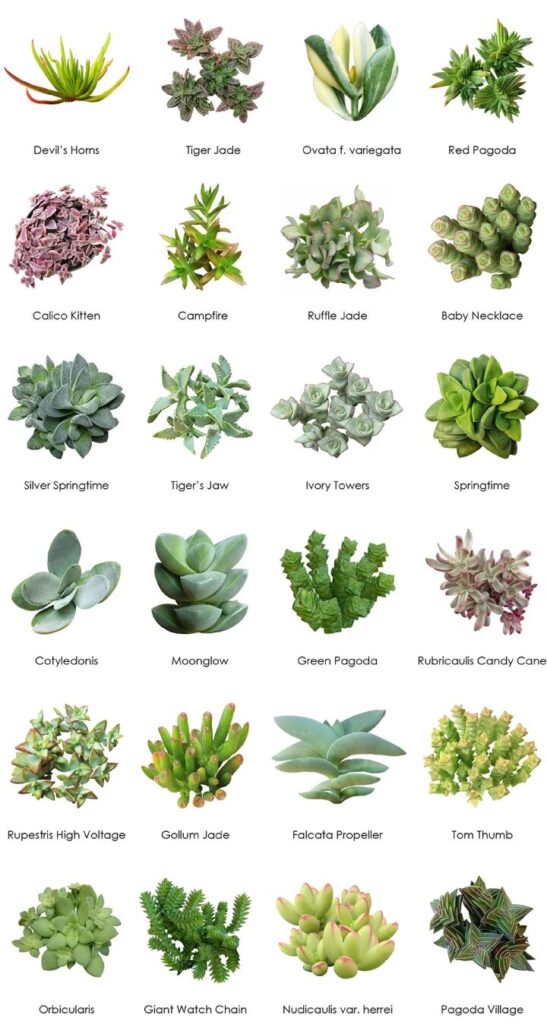
As we delve into the world of succulent plants, it’s essential to understand what sets them apart from their cactus cousins. Succulents are a specific family of plants that originated in the Americas, but not all cacti can be classified as succulents. So, what makes them unique?
What are Succulents?
Succulents are plants with specialized tissues called parenchyma cells that allow them to store large amounts of water. This adaptation enables them to survive in arid environments and thrive even during periods of drought. Unlike cacti, succulents do not have the characteristic sharp spines or stems found on their cactus relatives.
Characteristics of Succulent Plants
Succulent plants exhibit unique characteristics that set them apart from other types of plants. Some notable features include:
- Water-storing tissues: Succulens have specialized cells called parenchyma cells that store water, allowing them to survive in dry environments.
- Thick, fleshy stems: Succulents often develop thick, fleshy stems that can store water and nutrients.
- Waxy coatings: Some succulents produce a waxy coating on their leaves or stems to reduce water loss.
Representative Succulent Species
To gain a deeper understanding of the world of succulents, let’s explore some representative species:
- Zamioculcas zamilifolia: A member of the Araceae family, this plant is native to Tanzania and is known for its striking leaves.
- Haworthia Cooperi: Hailing from South Africa, this succulent has multiple varieties and is prized for its ornamental value.
- Aloe vera: A well-known succulent with medicinal properties, aloe vera is widely cultivated and used in various applications.
- Echevieria: This succulent boasts vibrant flowers and is popular among plant enthusiasts.
- Jovibarba: A beautiful, flowering succulent, jovibarba is highly sought after for its ornamental appeal.
Care and Maintenance
Succulents are low-maintenance plants that can thrive in a variety of environments. However, they do require some special care:
- Watering: Succulents don’t need much water, but overwatering can be detrimental to their health.
- Lighting: Most succulents prefer bright, indirect light, but some can tolerate full sun or partial shade.
- Temperature: Succulents generally thrive in warm temperatures, but some species may require cooler conditions.
Flowering Succulents
Some succulent species are renowned for their vibrant flowers:
- Yucca: These flowering succulents produce showy blooms that can last for several weeks.
- Sempervivum: Some Sempervivum varieties produce stunning flowers, making them a popular choice among plant enthusiasts.
- Agave: Agaves are known for their striking flowers, which can bloom for several months.
Indoor Succulents
While succulents can thrive outdoors, they also make excellent indoor plants:
- Sedum: A low-maintenance succulent, sedum is an excellent choice for indoor spaces.
- Sempervivum: Sempervivum succulents are well-suited for indoor environments and require minimal care.
Propagation and Reproduction
Many succulent species can be propagated through leaf or stem cuttings. This method allows you to create new plants that can thrive in your garden:
- Leaf propagation: Cut off a healthy leaf from the mother plant, allowing it to dry out for a few days before planting.
- Stem propagation: Cut off a section of the stem from the mother plant, allowing it to dry out for a few days before planting.
Pest and Disease Control
Succulents are susceptible to various pests and diseases. Here are some common issues:
- Mealybugs: Small, white insects that feed on sap.
- Spider mites: Tiny, spider-like creatures that feed on sap.
- Root rot: A fungal infection that causes roots to decay.
Conclusion
Succulent plants offer a world of beauty and diversity, with unique characteristics that set them apart from other types of plants. By understanding their needs and adapting to their requirements, you can create a thriving succulent garden that brings joy and serenity to your space.
FAQs
- Q: What is the difference between cacti and succulents?
A: Cacti are a specific family of plants that belong to the genus Cactus, while succulents are a broader term that encompasses various plant species with water-storing tissues. - Q: How often should I water my succulent?
A: Succulents require infrequent watering, allowing their soil to dry out between waterings. Overwatering can be detrimental to their health. - Q: Can I grow succulents indoors?
A: Yes! Many succulent species thrive in indoor environments with proper lighting and care. - Q: How do I propagate succulents?
A: Propagation methods vary depending on the succulent species, but most can be propagated through leaf or stem cuttings. - Q: What are some popular succulent varieties for beginners?
A: Sedum, Sempervivum, and Haworthia Cooperi are excellent choices for beginners due to their low-maintenance requirements and attractive appearance.
Whether you’re a seasoned gardener or just starting out, succulents offer a unique opportunity to explore the world of plant care. With proper understanding and attention, these amazing plants can thrive in your space, bringing beauty, serenity, and joy to your life.


