
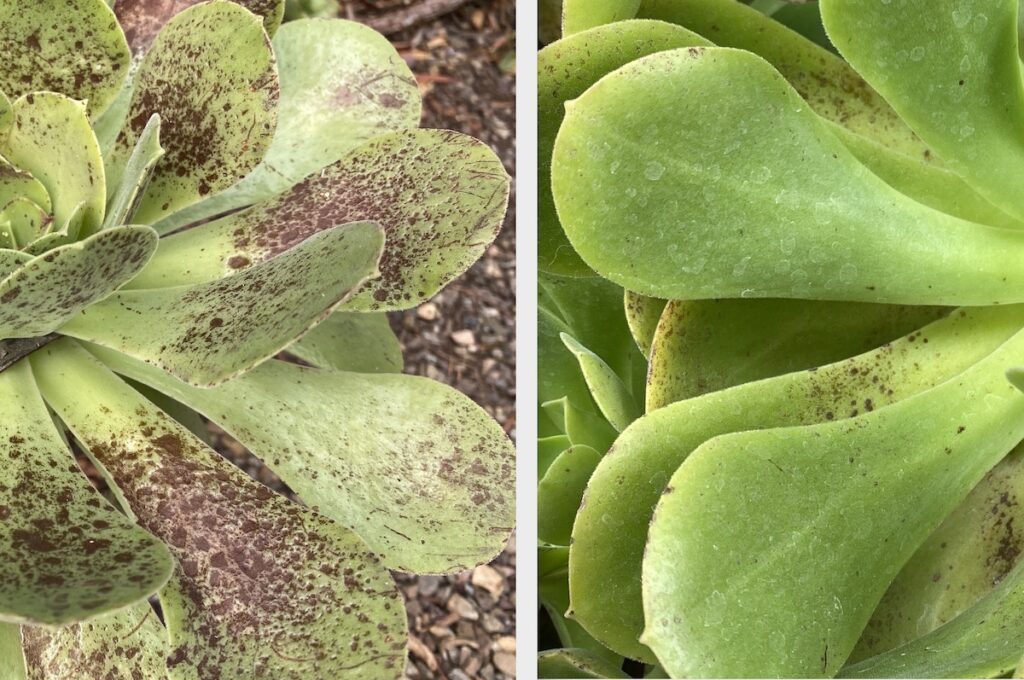
As a succulent enthusiast, it’s essential to know how to identify and tackle common plant diseases that can harm your beloved plants. In this article, we’ll delve into the world of succulent plant diseases, exploring the causes, symptoms, and treatments for various afflictions.
What Are Succulent Plant Diseases?
Succulent plant diseases are caused by pests, fungi, and other microorganisms that feed on the plant’s nutrients, causing damage and discoloration. These diseases can be devastating to your plants, but with proper identification and treatment, you can save your succulents from harm.
Common Succulent Plant Diseases
- Mealybugs
Mealybugs are small, white, cottony insects that feed on sap and cause stunted growth, yellowing leaves, and a general decline in plant health. - Spider Mites
Spider mites are tiny, spider-like creatures that feed on sap, causing yellowing leaves, fine webbing, and bronzing of the plant’s foliage. - Scale Insects
Scale insects are armored, pear-shaped insects that feed on sap, causing stunted growth, yellowing leaves, and a general decline in plant health. - Fungus Gnats
Fungus gnats are small, flying insects that lay eggs near the roots of your succulent, which hatch into larvae that feed on fungi and plant debris.
Causes of Succulent Plant Diseases
- Overwatering: Overwatering is one of the most common causes of succulent plant diseases. Make sure to water your plants sparingly, allowing the soil to dry out completely between waterings.
- Poor Air Circulation: Poor air circulation can lead to fungal growth and other diseases. Ensure good air circulation around your plants by keeping them at least 6-8 inches away from each other.
- Inadequate Light: Inadequate light can weaken your succulents, making them more susceptible to disease. Provide bright, indirect light for optimal health.
- Humidity: High humidity can lead to fungal growth and other diseases. Ensure good air circulation and maintain a relative humidity of 40-60%.
- Soil Quality: Poor soil quality can lead to nutrient deficiencies, which can make your succulents more susceptible to disease.
Symptoms of Succulent Plant Diseases
- Yellowing Leaves: Yellowing leaves can be a symptom of many different diseases, including mealybugs, spider mites, and scale insects.
- Soft or Wilted Stems: Soft or wilted stems can indicate fungal growth or overwatering.
- Discoloration: Discoloration on the leaves or stems can indicate fungal growth or insect infestations.
- Fine Webbing: Fine webbing on the leaves or stems can indicate spider mite infestation.
Treating Succulent Plant Diseases
- Mealybugs:
Use neem oil or insecticidal soap to kill mealybugs. Prune infested areas to prevent the spread of disease. - Spider Mites:
Use neem oil, insecticidal soap, or horticultural oil to control spider mite populations. Increase humidity and reduce watering to discourage spider mites from feeding. - Scale Insects:
Use neem oil, insecticidal soap, or horticultural oil to kill scale insects. Prune infested areas to prevent the spread of disease. - Fungus Gnats:
Use a fungicide specifically designed for fungus gnats. Increase air circulation and reduce watering to discourage fungi from growing.
Prevention is Key
- Inspect Your Plants Regularly: Regularly inspect your plants for signs of pests or diseases.
- Keep Your Plants Clean: Keep your plants clean by gently brushing off any debris or insects.
- Use a Well-Draining Potting Mix: Use a well-draining potting mix to prevent waterlogged soil and root rot.
- Water Sparingly: Water your succulents sparingly, allowing the soil to dry out completely between waterings.
Understanding Succulent Plant Diseases
- Overwatering: Overwatering is one of the most common causes of succulent plant diseases. Make sure to water your plants sparingly, allowing the soil to dry out completely between waterings.
- Poor Air Circulation: Poor air circulation can lead to fungal growth and other diseases. Ensure good air circulation around your plants by keeping them at least 6-8 inches away from each other.
- Inadequate Light: Inadequate light can weaken your succulents, making them more susceptible to disease. Provide bright, indirect light for optimal health.
Conclusion
Succulent plant diseases are a common issue that can be addressed with proper identification and treatment. By understanding the causes of these diseases and using the right treatments, you can keep your succulents healthy and thriving.
FAQs
- Q: How often should I water my succulent?
A: Water your succulent sparingly, allowing the soil to dry out completely between waterings. - Q: What is the best way to treat mealybugs on my succulent?
A: Use neem oil or insecticidal soap to kill mealybugs. Prune infested areas to prevent the spread of disease. - Q: Can I use insecticidal soap on spider mites?
A: Yes, insecticidal soap can be used to control spider mite populations. Increase humidity and reduce watering to discourage spider mites from feeding. - Q: How do I prevent fungus gnats from infesting my succulent?
A: Use a fungicide specifically designed for fungus gnats. Increase air circulation and reduce watering to discourage fungi from growing. - Q: What is the best way to treat scale insects on my succulent?
A: Use neem oil, insecticidal soap, or horticultural oil to kill scale insects. Prune infested areas to prevent the spread of disease. - Q: Can I use neem oil on all types of succulents?
A: Neem oil can be used on most types of succulents, but it’s essential to read the label and follow instructions carefully. - Q: How do I identify fungal diseases on my succulent?
A: Fungal diseases can cause discoloration, softening, or rotting of plant tissue. Look for signs of moisture accumulation, yellowing leaves, or a general decline in plant health. - Q: Can I propagate a succulent with a fungal disease?
A: It’s generally not recommended to propagate a succulent with a fungal disease. Instead, treat the infected plant and wait until it’s healthy before propagating new plants.
By following these tips and understanding the causes of succulent plant diseases, you can keep your plants healthy and thriving for years to come!


