
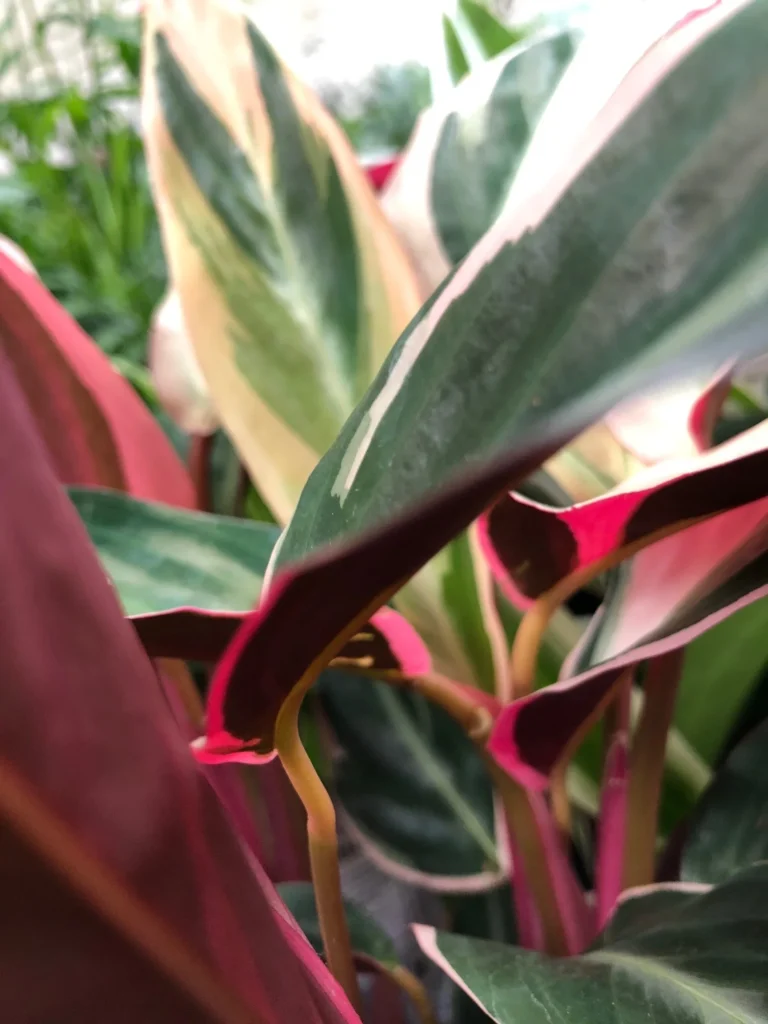
Are you looking to add some exotic flair to your home or office? Look no further than the stunning Stromanthe plant. With its unique, variegated leaves and striking color palette, this tropical beauty is sure to turn heads.
Getting to Know Your Stromanthe: Care Instructions and Varieties
But before you bring a Stromanthe into your life, it’s essential to understand what makes it tick. Here are some key things to know about caring for your new plant friend:
- Lighting: The Stromanthe loves bright light, but be careful not to overdo it – direct sunlight can scorch the leaves.
- Watering: Keep the soil consistently moist, but make sure not to let it drown.
- Fertilization: Feed your Stromanthe during the spring and summer months for optimal growth.
- Humidity: This plant thrives in humid environments, so consider using a humidifier or placing the pot on a tray filled with water.
Stromanthe Varieties: Which One to Choose?
With 13 different species to choose from, you may be wondering which Stromanthe variety is right for you. Here are some popular options:
- Triostar: This is one of the most common varieties, known for its striking coloration and ability to thrive in a range of lighting conditions.
- Burle Marx: A more compact option, this variety produces smaller leaves with a beautiful green-and-white variegation.
- Golden Princess: Known for its vibrant golden-yellow variegation, this variety is sure to add a pop of color to any room.
- Starlight: This variety boasts stunning white and silver variegation that’s sure to impress.
How to Choose the Right Pot and Soil
When it comes to choosing the right pot and soil for your Stromanthe, consider the following:
- Pot size: Choose a pot that’s slightly larger than the plant’s root system to ensure proper drainage.
- Soil mix: Opt for a well-draining potting mix specifically designed for tropical plants like the Stromanthe.
Common Problems and Solutions
While the Stromanthe is generally easy to care for, there are some common issues that may arise. Here are some solutions to keep in mind:
- Yellowing leaves: This can be caused by overwatering or underwatering. Check the soil moisture and adjust your watering schedule accordingly.
- Brown tips: This can be a sign of too much direct sunlight. Consider moving the plant to a spot with bright, indirect light.
- Leaf drop: This can be caused by a lack of humidity or extreme temperature fluctuations. Consider using a humidifier or placing the pot on a tray filled with water.
Stromanthe: A Low-Maintenance Option for Busy People
One of the best things about the Stromanthe is its low-maintenance requirements. Here are some reasons why it’s perfect for busy people:
- Easy to care for: The Stromanthe is relatively easy to care for, making it a great option for those who don’t have a lot of time to devote to plant care.
- Tolerant of neglect: This plant can survive with minimal watering and fertilization, making it perfect for busy people who may forget to water or fertilize their plants from time to time.
Propagation Techniques
If you’re looking to share your Stromanthe love with friends or expand your own collection, propagation is a great way to go. Here are some techniques to try:
- Division: This involves dividing the roots of the plant to create new individual plants.
- Leaf cuttings: This involves taking cuttings from the leaves and rooting them in water or soil.
Pruning Techniques
To keep your Stromanthe looking its best, regular pruning is a must. Here are some techniques to try:
- Pinching: This involves pinching off the tips of the stems to encourage branching.
- Trimming: This involves trimming back overgrown or damaged leaves and stems.
Repotting Techniques
If you’re looking to give your Stromanthe a new home, repotting is a great way to go. Here are some techniques to try:
- Soil preparation: Before repotting, make sure the soil is moist and well-draining.
- Pot selection: Choose a pot that’s slightly larger than the plant’s root system to ensure proper drainage.
Common Pests
While the Stromanthe is generally pest-free, there are some common pests that may arise. Here are some solutions to keep in mind:
- Mealybugs: These small, white insects can be a sign of overwatering or poor air circulation.
- Spider mites: These tiny, spider-like insects can cause yellowing leaves and fine webbing.
Common Diseases
While the Stromanthe is generally disease-free, there are some common diseases that may arise. Here are some solutions to keep in mind:
- Root rot: This can be caused by overwatering or poor drainage. Check the soil moisture and adjust your watering schedule accordingly.
- Leaf spot: This can be caused by overwatering or extreme temperature fluctuations. Consider using a humidifier or placing the pot on a tray filled with water.
Conclusion: Bringing the Stromanthe into Your Home
The Stromanthe is a beautiful, low-maintenance option for anyone looking to add some exotic flair to their home. With its unique leaves and striking color palette, this tropical plant is sure to turn heads. By following these care instructions and choosing the right pot and soil, you can enjoy the beauty of the Stromanthe for years to come.
FAQs: Frequently Asked Questions About the Stromanthe
Here are some answers to some frequently asked questions about the Stromanthe:
-
Can I grow a Stromanthe outdoors?
- Yes, but it’s essential to provide protection from extreme temperatures and direct sunlight.
-
How often should I water my Stromanthe?
-
Check the soil moisture daily and adjust your watering schedule accordingly.
-
Can I fertilize my Stromanthe?
-
Feed your Stromanthe during the spring and summer months for optimal growth.
-
What kind of potting mix should I use?
-
Choose a well-draining potting mix specifically designed for tropical plants like the Stromanthe.
-
Can I propagate my Stromanthe?
- Yes, you can propagate your Stromanthe by dividing the roots or taking cuttings from the leaves.
-
How often should I repot my Stromanthe?
-
Repot your Stromanthe every 1-2 years to provide fresh soil and a larger pot if necessary.
-
Can I grow multiple Stromanthe plants together?
-
Yes, but make sure they have enough space to breathe and are not crowded.
-
What is the best way to propagate my Stromanthe?
- You can divide the roots or take cuttings from the leaves to propagate your Stromanthe.
-
Can I grow a Stromanthe in a terrarium?
-
Yes, but make sure it’s not too humid and provide proper drainage for the soil.
-
What is the ideal temperature for my Stromanthe?
- The ideal temperature for your Stromanthe is between 65-75°F (18-24°C).


