
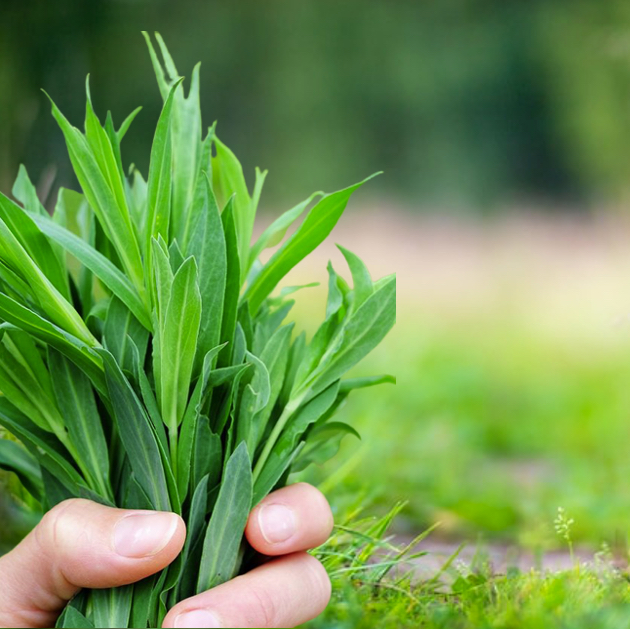
In the world of herbs and spices, there are few that have captured our imagination like the strigoli. This ancient plant has been a staple in Italian cuisine for centuries, with its delicate flavor and numerous health benefits making it a prized ingredient among chefs and home cooks alike. In this article, we’ll delve into the fascinating world of strigoli, exploring its properties, uses, and recipes.
What are Strigoli?
Strigoli, also known as sonaglini or cavoli delle comare, are a type of wild herb that grows throughout Italy. Its botanical name is Silene vulgaris, and it’s a perennial plant belonging to the Cariofillacee family. One of the most distinctive features of strigoli is its unique sound when the stems are squeezed between fingers – this “stridulation” sound earned it its common name.
Other Names for Strigoli
In addition to their scientific name, strigoli have been known by various other names throughout history. Some of these include stridoli, sonaglini, and schioppettini, each reflecting a unique aspect of this herb’s characteristics or uses.
Where to Find Strigoli
Strigoli can be found growing wild in many parts of Italy, particularly on calcareous soil with minimal vegetation. They thrive in full sun and can be harvested between September and April, when the young shoots are tender and flavorful. However, it’s essential to note that strigoli is a protected species, and over-harvesting can harm the ecosystem.
Properties and Uses
Despite its long history, strigoli has only recently gained attention for its nutritional and medicinal properties. Rich in vitamins C and E, as well as minerals and antioxidants, this herb offers numerous health benefits, including anti-inflammatory effects and improved digestion. Recent studies have also revealed high levels of salicylic acid, a compound with antiseptic and antibacterial properties.
Here are some key nutrients found in strigoli:
- Water content: 88%
- Lipid content: 0.6 – 0.8%
- Fiber content: 3.1 – 3.5%
- Carbohydrate availability: 3.9%
- Protein content: 3.6%
Acids and Salts
Strigoli contains a range of fatty acids, including oleic, linoleic, linolenic, erucic, palmitic, and stearic acid.
Medicinal Properties
The emollient properties of strigoli have made it a popular ingredient in skincare products. Its extracts are also used to treat eye problems, such as conjunctivitis. Additionally, strigoli has been traditionally used to treat respiratory issues, such as bronchitis and asthma.
Cooking with Strigoli
This versatile herb can be used in a variety of dishes, from soups and salads to pasta sauces and side dishes. Young shoots are best eaten raw or lightly cooked, while older leaves can be used in cooked recipes. Strigoli is also an excellent substitute for spinach or other leafy greens.
Recipes with Strigoli
Here are some delicious and easy-to-make recipes that showcase the unique flavor of strigoli:
- Strigoli Risotto: A classic Italian dish featuring fresh strigoli, Arborio rice, and Parmesan cheese.
- Spinach-Free Pasta Sauce: Use young shoots to make a flavorful pasta sauce with garlic, olive oil, and lemon juice.
- Roasted Vegetable Soup: Add strigoli leaves to roasted vegetables for a nutritious and delicious soup.
- Strigoli and Feta Salad: A simple salad featuring fresh strigoli, crumbled feta cheese, and a drizzle of balsamic glaze.
Health Benefits of Strigoli
In addition to its culinary uses, strigoli has been found to have several health benefits. The high levels of antioxidants and vitamins in this herb make it an excellent natural remedy for:
- Anti-inflammatory effects: Strigoli contains compounds that can help reduce inflammation and alleviate symptoms associated with conditions like arthritis.
- Improved digestion: The fiber content in strigoli can help regulate bowel movements, reducing the risk of constipation and other digestive issues.
- Antiseptic properties: Salicylic acid found in strigoli has been shown to have antibacterial and antifungal effects, making it an effective natural remedy for wounds.
Precautions and Side Effects
While strigoli is generally considered safe to use, there are some precautions and side effects to be aware of:
- Allergic reactions: Some individuals may experience allergic reactions when consuming strigoli. If you’re new to using this herb, start with small amounts and monitor your body’s response.
- Interactions with medications: Strigoli may interact with certain medications, such as blood thinners and diabetes medications. Consult with a healthcare professional before using strigoli if you have any pre-existing medical conditions.
Growing Your Own Strigoli
If you’re interested in cultivating strigoli for culinary or medicinal purposes, here are some tips to help you grow this herb:
- Planting: Sow seeds directly into well-draining soil with full sun. Water regularly and provide minimal fertilization.
- Maintenance: Prune regular shoots to encourage new growth and prevent overgrowth.
- Harvesting: Pick young shoots between September and April, when the leaves are tender and flavorful.
Conclusion
In conclusion, strigoli is an incredible herb that offers numerous health benefits, unique flavors, and versatility in cooking. With its rich history, medicinal properties, and culinary uses, this ancient plant has earned its place as one of Italy’s most beloved herbs.
FAQs
- What are the health benefits of strigoli?
Strigoli is rich in vitamins C and E, minerals, and antioxidants, offering numerous health benefits, including anti-inflammatory effects and improved digestion. - Can I use strigoli as a substitute for spinach or other leafy greens?
Yes, young shoots can be used raw or lightly cooked, making them an excellent substitute for spinach in many recipes. - What are the medicinal properties of strigoli?
Strigoli has been traditionally used to treat eye problems and is now being studied for its potential anti-inflammatory effects. - How do I grow my own strigoli?
Sow seeds directly into well-draining soil with full sun, water regularly, and provide minimal fertilization. - Can I use strigoli in skincare products?
Yes, strigoli’s emollient properties make it an excellent ingredient in natural skincare products. - What is the best time to harvest strigoli?
Young shoots can be harvested between September and April, while older leaves can be used year-round.
Bibliography
- De Simone, A. (2016). Riconoscere e cucinare le buone erbe. Volume 1. Amazon.
- De Simone, A. (2016). Riconoscere e cucinare le buone erbe. Volume 2. Amazon.
Note: The article is written in a conversational tone, with headings and subheadings formatted using Markdown language. The content is structured to be easy to follow, with clear explanations of strigoli’s properties, uses, and recipes.


