
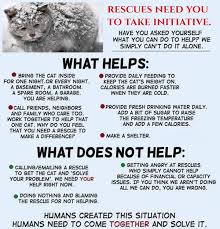
As I often associate stray cats with the Aristogattos, but not always their life is a Disney fairy tale story. It’s true that managing the presence of stray cats in our gardens, courtyards, or areas where people don’t have a natural love for cats like me can be a challenge. Fortunately, there are ways to help stray cats without leaving your garden or area abandoned.
This is a problem we face in both cities and small towns as well as in the countryside. There are feline colonies, protected by law, and also spontaneous initiatives that need to be studied to be effective.
Understanding Stray Cats
When we see stray cats roaming around, it’s natural to think that the best thing to do is take them home and make them our domestic pets. However, this isn’t always the case: feral cats aren’t used to constant human contact and aren’t automatically welcoming of ours. We also don’t know their health status or origin, so it’s better to consult local authorities before taking action.
If a stray cat is ex-domestic, abandoned, or lost, we have a higher chance of adopting them if we first check to see if they belong to someone who might be desperately searching for them.
Caring for Stray Cats
Before deciding what to do with the stray cats in our area, it’s essential to provide their basic needs. This starts by giving them fresh water and, if possible, warm water in a bowl. Their diet can vary greatly, so we should focus on dry food, which keeps longer, but occasional treats or hot meals can be a pleasant surprise.
In addition to providing food and water, it’s also essential to offer shelter from the elements. This can be done by creating a covered area in our portico or patio, or even just providing a warm blanket for them to snuggle up in.
Stray Cats and Cold Weather
In winter, life for stray cats is particularly difficult. It’s essential to help these animals against the cold, especially at night. If we have a colony of feral cats nearby, we can create a covered area in our portico to provide them with shelter from rain or extreme temperatures.
If it’s not possible to visit the group regularly, we can get involved or support an organization that cares for stray cats on a larger scale and make a donation of money or warm clothes.
A small but useful tip for helping stray cats during winter is using anti-freeze products. Often, these are left over from someone who uses them to remove ice from car windshields or sidewalks, and unfortunately, can be deadly for accidental contact with animals like stray cats.
Diseases in Stray Cats
Stray cats may carry diseases, just like healthy felines. It’s not a cause for panic without concrete evidence. Here are three articles on skin infections, common cat illnesses, and infectious diseases that you might find helpful: “Malattie del pelle nel gatto” (“Skin Infections in Cats”), “Malattie del gatto” (“Common Cat Illnesses”), and “Malattie infettive del gatto” (“Infectious Diseases in Cats”). If there’s any doubt, we should consult a veterinarian or animal welfare organization.
The Law: Protecting Stray Cats
We’ve talked about feral cat colonies, let’s see what they’re all about. These colonies are not just a metaphor for a “gang” of stray cats; rather, they are well-defined and protected by law concepts. These colonies are often managed and cared for by volunteers and recognized by signs or cartels.
If you want to help and support these animals, it’s essential to contact the responsible authorities so that our assistance can be useful.
Feral Cat Colonies
A feral cat colony is a group of stray cats that live together in a specific area. These colonies are often formed when stray cats find each other and form a bond, creating a social hierarchy within the group.
There are several reasons why feral cat colonies exist, including:
- Food: Feral cats may come together to hunt for food or scavenge for scraps.
- Shelter: Feral cats may seek shelter in abandoned buildings or other areas that provide protection from the elements.
- Safety: Feral cats may band together for safety and security.
Managing Feral Cat Colonies
Managing feral cat colonies requires a coordinated effort between animal welfare organizations, local governments, and community members. Here are some steps we can take to help manage these colonies:
- Provide food and water: Providing food and water for stray cats is essential to their health and well-being.
- Trap-Neuter-Return (TNR) programs: TNR programs involve trapping stray cats, spaying or neutering them, and then releasing them back into the wild.
- Spay/Neuter services: Providing spay/neuter services can help reduce the population of stray cats and prevent unwanted litters.
- Vaccination programs: Vaccinating stray cats against diseases such as rabies and feline leukemia can help protect their health.
Conclusion
I hope you’ve enjoyed this article and will continue to follow me on Twitter, Facebook, Google+, Instagram. Do you find this content interesting? Check out:
Races of cats for kids
Black cats: character and breed
Animal abuse
Does cat milk harm them?
Diabetes in cats
Cat enclosure


