
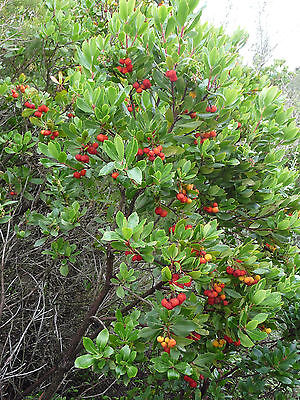
As a fruit enthusiast, you might have come across the corbezzolo (Cornus mas), an attractive and versatile evergreen shrub or small tree native to southern Europe. This article aims to guide you on how to cultivate, find, and care for the corbezzolo, making it easy for English-speaking readers to enjoy its delightful fruits and ornamental qualities.
What is Corbezzolo?
The corbezzolo is an evergreen shrub or small tree with a rounded crown that produces delicious fruit. It’s highly adaptable to various climates, thriving in both hot and cold conditions. Its tolerance for temperatures as low as 15°F (-9°C) makes it suitable for different types of gardens.
History and Adaptability
Despite originating from southern Europe, the corbezzolo is an excellent choice for any garden, regardless of climate or region. It’s a perfect shade provider and can grow up to 3-4 meters tall, making it an ideal addition to various gardening styles.
Cultivation and Care
The good news is that the corbezzolo is relatively low-maintenance when it comes to pest control. Since it rarely gets affected by diseases or pests, you don’t need to worry about treating your plants with pesticides. However, keep in mind that its soil preferences include slightly acidic conditions.
Soil Preferences and Tolerances
When it comes to soil types, the corbezzolo is quite versatile. It tolerates a wide range of pH levels and can even thrive on calcareous soils if supplemented with organic matter like compost or manure. However, avoid areas with standing water, as this could lead to root rot.
Sunlight and Irrigation
This adaptable shrub enjoys full sun but also does well in partial shade. Moderate watering is essential; ensure the soil dries out completely between each irrigation session.
Fruit Characteristics
The corbezzolo’s fruit is a small, spherically-shaped berry with an outer skin covered in reddish tubercles and an inner pulp that ranges from orange to yellow. The taste is sweet, making it perfect for preparing delicious desserts like crumbles or marmalades.
Seasonality and Availability
The corbezzolo’s fruit ripens between October and November, providing a lovely treat during the autumn season.
Pest Control and Health
Keep an eye out for insects that might infest your plants, such as bruchi (a type of beetle), which can lay eggs leading to the emergence of the beautiful but rare butterfly Charaxes Jasius. Fortunately, these pests are relatively harmless, making it unlikely you’ll need extensive treatment.
Buying Corbezzolo Plants
If you’re having trouble finding corbezzolo plants in your local nurseries or would prefer to purchase directly from a reputable supplier, we’ve compiled a list of recommended vivaio (nurseries) locations throughout Italy:
- Firenze: Vivai Belfiore – Via Sant’Ilario, Lastra a Signa (50055)
- Milano: Fratelli Ingegnoli – Via O. Salomone, 65 (20138)
- Ravenna: Dalmonte Gaspare – Via Calbetta, Faenza (48018)
- Bologna: Flora 2000 – Via Zenzalino Sud, Budrio (40054)
Tips for Growing Corbezzolo
Here are some additional tips to help you grow a healthy and thriving corbezzolo:
- Choose a location with well-draining soil.
- Water your corbezzolo regularly but avoid overwatering.
- Fertilize your corbezzolo annually with a balanced fertilizer.
- Prune your corbezzolo after fruiting to maintain its shape and promote new growth.
- Protect your corbezzolo from extreme temperatures and wind.
Common Issues and Solutions
Here are some common issues you might encounter when growing a corbezzolo, along with solutions:
- Yellowing Leaves: Yellowing leaves can be caused by overwatering or underwatering. Make sure to water your corbezzolo regularly but avoid overwatering.
- Pests: Keep an eye out for insects that might infest your plants, such as bruchi and other pests. Fortunately, these are relatively harmless and can be managed with minimal treatment.
- Disease: Corbezzolo is rarely affected by diseases or pests. However, if you notice any signs of disease, such as fungal growth or black spots on the leaves, treat your plant with a fungicide.
Conclusion
Growing a corbezzolo can be an excellent experience for gardening enthusiasts. With its adaptability to different climates and soil types, this evergreen shrub or small tree makes a perfect addition to any garden. By following these tips and solutions, you’ll be well on your way to growing a healthy and thriving corbezzolo.
FAQs
- How do I care for my corbezzolo plant?
- Water your corbezzolo plant moderately, ensuring the soil dries out completely between each irrigation session.
- Maintain a slightly acidic pH (pH 5.5-6.5) by adding compost or manure to the soil as needed.
- What type of pest is most likely to affect my corbezzolo?
- Insects like bruchi and other pests may infest your plants; however, these are relatively harmless and can be managed with minimal treatment.
- Can I grow a corbezzolo in partial shade?
- Yes, the corbezzolo is tolerant of partial shade but prefers full sun for optimal growth.
- Is it difficult to find corbezzolo plants?
- Corbezzolo plants are relatively rare outside of southern Europe; however, you can purchase them from reputable nurseries or online retailers.


