
Introduction
Strawberries are often referred to as “the queen of fruits” in Asian cultures, due to their numerous health benefits and therapeutic properties. But what makes strawberries so special? In this article, we’ll delve into the nutritional composition, health effects, and potential risks associated with consuming strawberries.
Nutritional Composition of Strawberries
Strawberries are an excellent source of vitamins C and K, as well as flavonoids, particularly anthocyanins. These powerful compounds have been linked to various health benefits, including anti-inflammatory properties, improved heart health, and enhanced cognitive function.
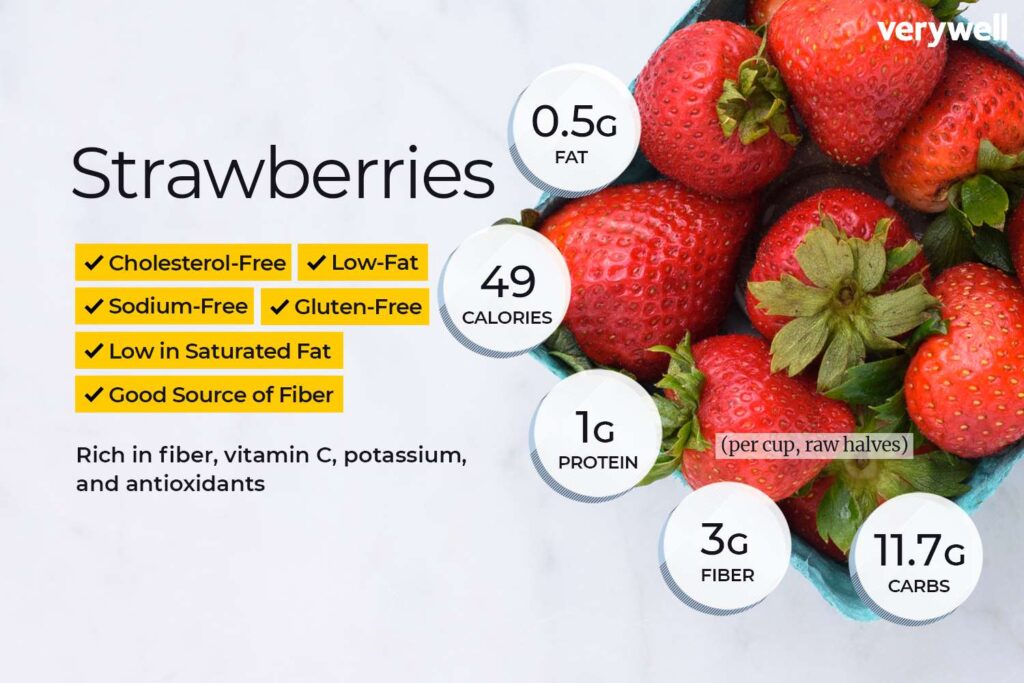
Here’s a breakdown of the nutritional composition of strawberries per 100 grams:
• Water: 131g
• Calories: 43 kcal
• Protein: 0.88g
• Carbohydrates: 10.1g
• Fiber: 3.3g
• Calcium: 20mg
• Iron: 0.55mg
• Magnesium: 14mg
• Phosphorus: 27mg
• Potassium: 240mg
• Sodium: 1.44mg
• Zinc: 0.19mg
• Manganese: 0.42mg
• Selenium: 1.01µg
• Vitamin C (ascorbic acid): 82µg
• Thiamine: 0.03µg
• Riboflavin: 0.10mg
• Niacin: 0.33mg
• Pantothenic acid: 0.49mg
• Vitamin B6: 0.09mg
• Folate: 25µg
• Vitamin E: 0.20mg
Health Effects of Strawberries
The anthocyanins present in strawberries have been shown to possess potent anti-inflammatory properties, which may help mitigate the risk of chronic diseases such as heart disease, cancer, and cognitive decline.
Strawberries also contain triptophan, an amino acid that serves as a precursor to serotonin, a neurotransmitter involved in regulating mood. This makes strawberries a potential natural remedy for improving mood and reducing symptoms of anxiety and depression.
A study published on the Harvard University website found that consuming strawberries may help reduce the risk of migraines in women, possibly due to their high content of flavonoids.
Furthermore, strawberries have been shown to promote digestive health by regulating bowel movements and preventing constipation. The fiber content in strawberries also makes them an excellent addition to a heart-healthy diet.
Strawberry Juice: A Better Option than Fresh Strawberries?
While fresh strawberries are the best way to reap their benefits, strawberry juice can be a convenient alternative for those who have difficulty consuming whole berries. However, it’s essential to choose 100% fruit juice without added sugars or preservatives.
A study published in the Journal of Agricultural and Food Chemistry found that consuming strawberry juice may help reduce blood pressure in individuals with hypertension. The flavonoids present in strawberry juice may also have anti-inflammatory properties, which could contribute to its potential cardiovascular benefits.
Strawberries and Skin Health
The antioxidants present in strawberries have been shown to protect against sun damage and promote skin health. A study published on the Journal of Investigative Dermatology website found that consuming strawberries rich in anthocyanins may help reduce fine lines and wrinkles, improving overall skin appearance.
Precautions and Preconceptions
While strawberries are generally considered safe for consumption, there are some precautions to be aware of:
- Pseudoallergy: Some individuals may experience an allergic reaction to strawberries, although this is relatively rare.
- Pesticide exposure: Strawberries sold in stores may contain high levels of pesticide residues. Washing berries thoroughly before consumption can help minimize exposure.
To avoid pesticide contamination, consider growing your own strawberries at home using our guide on how to cultivate strawberries on a balcony.
Conclusion
Strawberries are a nutrient-rich fruit that offers numerous health benefits when consumed as part of a balanced diet. While some precautions should be taken into account, the potential rewards of incorporating strawberries into your daily routine make them an excellent addition to any healthy eating plan.
Frequently Asked Questions (FAQs)
- What is the optimal serving size for strawberries?
Aim for 1/2 cup or 80g of fresh strawberries per serving. - Can I eat strawberries if I have a food allergy?
Consult with your healthcare provider before consuming strawberries if you have a known food allergy. - How do I minimize pesticide exposure when buying strawberries?
Wash berries thoroughly before consumption and consider purchasing organic options. - Are strawberries suitable for pregnant women?
Strawberries are considered safe for pregnant women, but it’s always best to consult with your healthcare provider before consuming any new foods during pregnancy. - Can I use strawberry jam or preserves in place of fresh strawberries?
While strawberry jam and preserves can be a convenient alternative, they often contain added sugars and preservatives. Opt for fresh strawberries whenever possible. - How do I store strawberries to maintain their freshness?
Store strawberries at room temperature until ripe, then refrigerate them to prolong shelf life. - Can I grow strawberries in my backyard?
Yes! With proper care and attention, strawberries can thrive in most gardens. Follow our guide on how to cultivate strawberries on a balcony for more information.
Follow us
Stay up-to-date with the latest health news, nutrition tips, and product reviews by following us on Twitter, Facebook, Instagram, or LinkedIn.


