
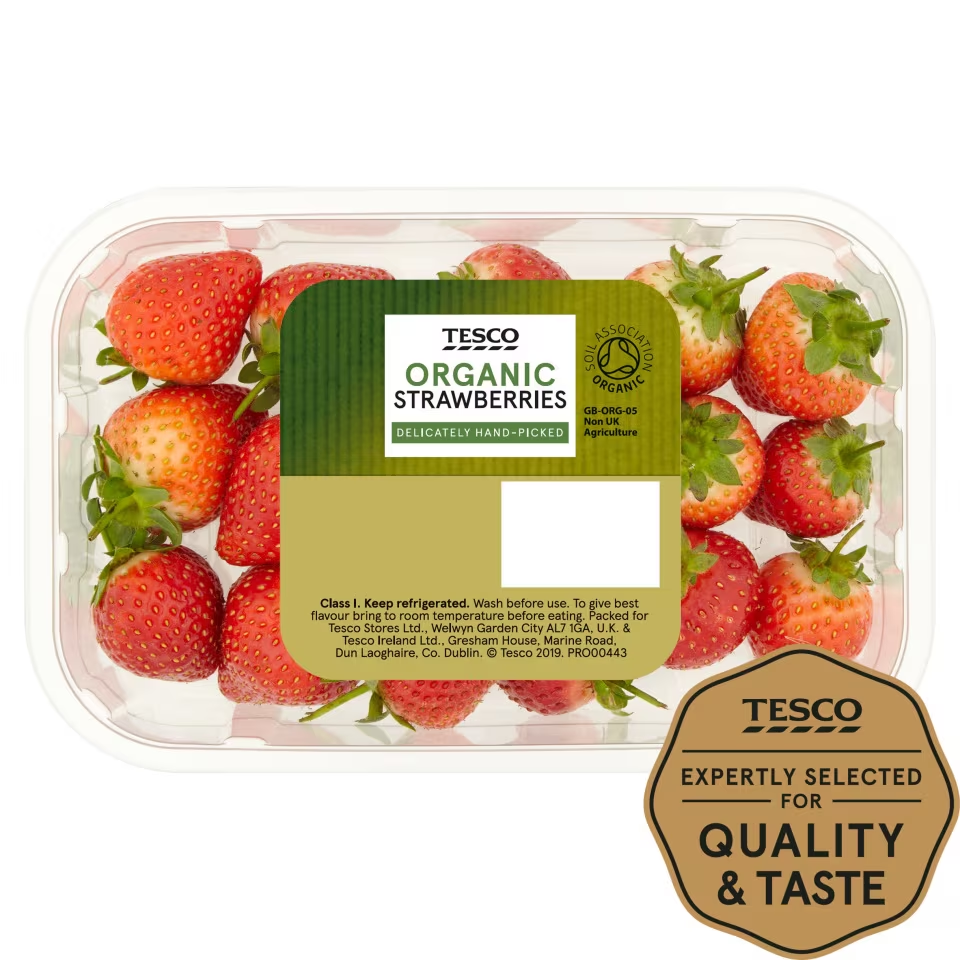
As a consumer, you may have wondered what sets organic strawberries apart from their non-biological counterparts. While both types of strawberries are delicious and nutritious, the answer lies in the way they’re grown and treated.
In this article, we’ll explore the differences between organic and non-organic strawberries, including the impact of pesticides on human health. We’ll also delve into the benefits of choosing organic strawberries, from their potential antitumor properties to their ability to support heart health.
The Dark Side of Non-Biological Strawberries
When you buy non-organic strawberries, you may be exposing yourself to high levels of pesticide residue. These chemicals are used to kill insects and fungi that can damage crops, but they also leave behind toxic residues on the fruit.
In fact, a study by the Environmental Working Group found that strawberries were one of the top five most contaminated fruits with pesticides in 2019. Other fruits that made the list included apples, grapes, and pears.
The Benefits of Organic Strawberries
So why choose organic strawberries? For starters, they’re grown without toxic pesticides or other chemicals that can harm human health. By choosing organic strawberries, you’re supporting sustainable farming practices that prioritize environmental stewardship and animal welfare.
But there are also potential health benefits to eating organic strawberries. Some studies have linked the flavonoids found in these fruits to reduced risk of heart disease, improved cognitive function, and even anti-cancer properties.
How Organic Strawberries Are Grown
Organic strawberries are grown using natural methods that avoid the use of synthetic pesticides, herbicides, and fertilizers. These methods include:
- Crop rotation: This involves rotating crops to prevent soil depletion and reduce pests and diseases.
- Companion planting: This involves pairing different plants together to repel pests and improve growth.
- Hand-weeding: Many organic strawberry farms still use hand-weeding as a method of controlling weeds, reducing the need for herbicides.
- Cover cropping: This involves planting cover crops in between rows of strawberries to prevent soil erosion and improve nutrient levels.
The Health Benefits of Organic Strawberries
In addition to their delicious flavor, organic strawberries have several potential health benefits. Some of these include:
- Reduced risk of heart disease: The flavonoids found in organic strawberries may help reduce inflammation and improve blood vessel function, reducing the risk of heart disease.
- Improved cognitive function: Flavonoids in organic strawberries may also improve memory and cognitive function by boosting blood flow to the brain.
- Anti-cancer properties: Some studies suggest that consuming flavonoids found in organic strawberries may help prevent cancer cells from growing and multiplying.
Choosing the Best Organic Strawberries
When shopping for organic strawberries, look for the following characteristics:
- A bright red color with no white or green spots
- A firm, plump texture
- A small, attached stem (this indicates that the strawberry is fresh)
- No bruises or blemishes
Storing and Preparing Organic Strawberries
Once you’ve picked out your organic strawberries, it’s time to store them. Here are some tips:
- Store them in the refrigerator at a consistent temperature below 40°F
- Keep them away from strong-smelling foods, as they can absorb odors easily
- Rinse them just before using, and pat dry with a clean towel to remove excess moisture
Preparing Organic Strawberries
Finally, here are some ways to prepare your organic strawberries:
- Enjoy them fresh, either on their own or in salads, smoothies, or desserts
- Add them to oatmeal, yogurt, or other breakfast bowls for added nutrition and flavor
- Use them as a topping for ice cream, pancakes, or waffles
Conclusion
In conclusion, choosing organic strawberries is a simple way to support sustainable farming practices while also reaping the potential health benefits of these delicious fruits. By following the tips outlined in this article, you can enjoy fresh, nutritious, and pesticide-free strawberries all year round.
Frequently Asked Questions (FAQs)
Q: Are organic strawberries more expensive than non-organic ones?
A: While organic strawberries may be slightly more expensive upfront, they often cost less in the long run due to reduced health risks and improved nutritional value.
Q: Can I grow my own organic strawberries at home?
A: Yes! With a little bit of effort and patience, you can grow your own organic strawberries right in your backyard or even on your windowsill.
Q: Are all types of strawberries considered “organic”?
A: No, not all types of strawberries are created equal. For example, some varieties may be grown using conventional methods despite being labeled as “organic.”
Q: Can I freeze organic strawberries for later use?
A: Yes, freezing is a great way to preserve the nutritional value and flavor of your organic strawberries.
Q: Are organic strawberries better for my heart health than non-organic ones?
A: Some studies suggest that consuming flavonoids found in organic strawberries may help support heart health by reducing inflammation and improving blood vessel function.
Q: Can I use organic strawberries to make jam or preserves?
A: Absolutely! In fact, using organic strawberries is a great way to preserve their flavor and nutritional value for later use.
The Environmental Impact of Organic Strawberries
In addition to the health benefits, choosing organic strawberries also has an environmental impact. Some of these impacts include:
- Reduced water pollution: Conventional farming methods often involve the use of chemicals that can pollute soil and water sources.
- Improved biodiversity: Organic strawberry farms often prioritize biodiversity by planting a variety of crops together.
- Reduced greenhouse gas emissions: By reducing the need for synthetic fertilizers and pesticides, organic strawberry farms can also reduce their carbon footprint.
Conclusion
In conclusion, choosing organic strawberries is a simple way to support sustainable farming practices while also reaping the potential health benefits of these delicious fruits. By following the tips outlined in this article, you can enjoy fresh, nutritious, and pesticide-free strawberries all year round.
The Future of Organic Strawberries
As consumers become more aware of the importance of sustainability and environmental stewardship, the demand for organic strawberries is expected to grow. In response, many farmers are adopting new methods and technologies that prioritize these values.
Some of the ways that farmers are working to improve the sustainability of their strawberry farms include:
- Implementing regenerative agriculture practices
- Using precision farming techniques to reduce waste and optimize yields
- Exploring new uses for organic strawberries, such as using them as animal feed or biofuel
Conclusion
In conclusion, choosing organic strawberries is a simple way to support sustainable farming practices while also reaping the potential health benefits of these delicious fruits. By following the tips outlined in this article, you can enjoy fresh, nutritious, and pesticide-free strawberries all year round.


