
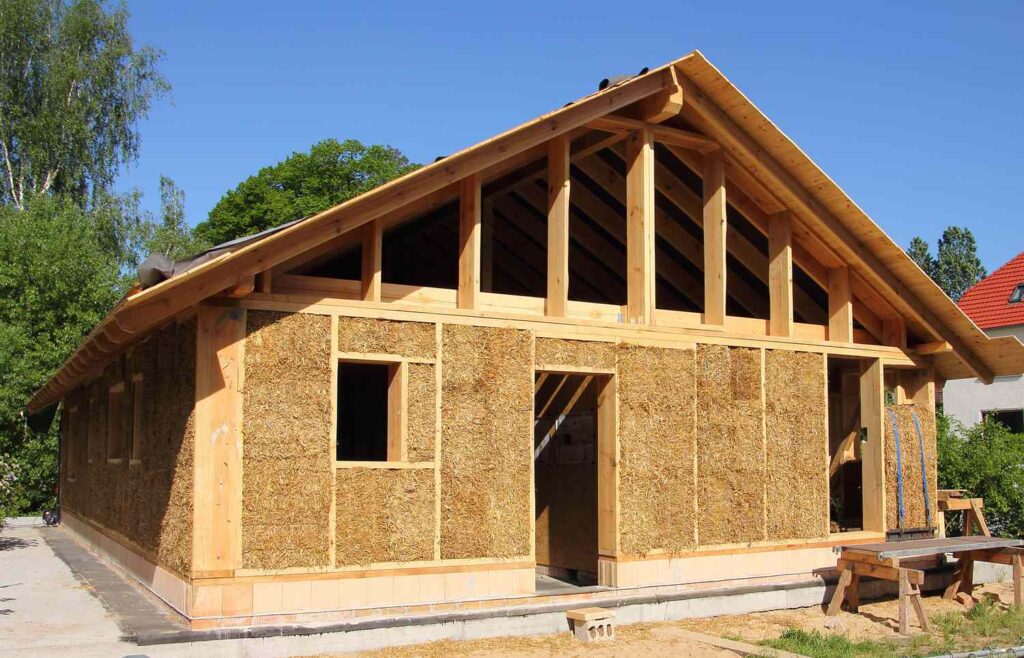
As the world becomes increasingly aware of the need for sustainable building practices, straw bale construction is gaining popularity as a eco-friendly alternative to traditional materials. However, it’s essential to understand the benefits and challenges associated with this method of building. In this article, we will delve into the advantages and disadvantages of using straw in construction, explore the costs involved, and discuss the latest regulations and guidelines.
What is Straw Bale Construction?
Straw bale construction involves using straw as a primary building material, often combined with other natural materials such as wood, earth, or clay. The straw is typically harvested from local farms and processed into bales that can be stacked to form walls. This method of construction offers several benefits, including:
- High insulation value: Straw has excellent thermal insulation properties, making it an effective material for reducing heat loss in buildings.
- Low carbon footprint: Straw is a renewable resource with a low carbon footprint, making it an attractive option for environmentally conscious builders.
- Fire resistance: Straw bale construction can be more fire-resistant than traditional building methods due to the natural insulation properties of straw.
However, there are also some challenges associated with straw bale construction:
- Higher upfront costs: Building with straw requires specialized equipment and labor, making it more expensive than traditional building methods.
- Maintenance requirements: Straw bale walls require regular maintenance to ensure they remain stable and secure over time.
- Zoning regulations: In some areas, zoning regulations may prohibit or restrict the use of straw as a building material.
Costs Involved
The cost of building with straw can vary widely depending on factors such as location, labor costs, and equipment requirements. However, here are some estimated costs associated with straw bale construction:
- Materials: Straw bales can range in price from $0.50 to $1.50 per square foot, depending on the quality and quantity of material used.
- Labor: Labor costs for building with straw can be higher than traditional building methods due to the specialized equipment and labor required.
- Equipment: The cost of specialized equipment such as straw balers and stackers can range from $5,000 to $20,000 or more.
Regulations and Guidelines
In Italy, straw bale construction is a recognized method of building that complies with national regulations. However, it’s essential to note that the use of straw as a building material may be subject to local zoning restrictions.
Here are some key regulations and guidelines associated with straw bale construction in Italy:
- Normativa tecnica Italiana del 2010: This regulation sets out specific requirements for straw bale construction, including the use of reinforced foundations and adequate ventilation.
- Certificazione Z-23.11-1595 DIBT DE: This certification is required for all buildings constructed using straw bales, ensuring that they meet strict safety standards.
Benefits and Drawbacks
Here are some benefits and drawbacks associated with building with straw:
Benefits:
- High insulation value
- Low carbon footprint
- Fire resistance
- Sustainable and eco-friendly
Drawbacks:
- Higher upfront costs
- Maintenance requirements
- Zoning regulations may prohibit or restrict the use of straw as a building material.
Conclusion
Straw bale construction is a unique and sustainable method of building that offers several benefits, including high insulation value, low carbon footprint, and fire resistance. However, it’s essential to consider the higher upfront costs, maintenance requirements, and zoning regulations associated with this method of construction. By understanding the benefits and drawbacks of straw bale construction, builders can make informed decisions about which material to use for their next project.
FAQs
Here are some frequently asked questions associated with straw bale construction:
- What is the cost of building with straw?
- The cost of building with straw can vary widely depending on factors such as location, labor costs, and equipment requirements.
- Are there any zoning regulations in place for straw bale construction?
- Yes, some areas may prohibit or restrict the use of straw as a building material due to local zoning regulations.
- Is straw bale construction fire-resistant?
- Straw bale construction can be more fire-resistant than traditional building methods due to the natural insulation properties of straw.
- Do I need specialized equipment and labor to build with straw?
- Yes, building with straw requires specialized equipment such as straw balers and stackers, as well as skilled labor.
- Can I use straw bale construction for new buildings or renovations?
- Yes, straw bale construction can be used for both new buildings and renovations, provided that local zoning regulations permit it.
By answering these FAQs, you can gain a better understanding of the benefits and challenges associated with building with straw and make informed decisions about which material to use for your next project.


