
Introduction
In this article, we will delve into the stratigraphy of a green roof extensive system, a type of rooftop vegetation that can be installed on flat or slightly inclined surfaces. Unlike intensive green roofs, which are designed for areas with limited space and high foot traffic, extensive green roofs can thrive on irregularly shaped surfaces and require less maintenance.
Understanding Green Roof Extensive Stratigraphy
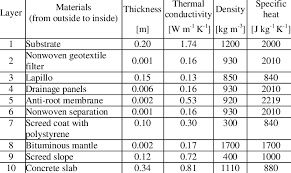
To grasp the concept of green roof extensive stratigraphy, let’s first understand its key components. The extensive green roof system consists of multiple layers that work together to create a functional and sustainable roofing solution.
Layer 1: Covering Layer (Base)
The covering layer, also known as the base, is typically made from materials such as:
- Laterocemento
- Other masonry materials
This layer provides a solid foundation for the roof’s vegetation and helps to prevent water damage.
Primer Bituminous Coating
A primer bituminous coating is applied to the surface of the covering layer. This substance:
- Penetrates into the pores of the roofing material
- Blocks particles that could compromise the integrity of subsequent layers
- Ensures a strong bond between the roof’s components
Vapor Barrier (Stratolaminate)
The vapor barrier, also known as the stratolaminate, serves two purposes:
- It acts as an insulator, protecting the building from extreme temperatures.
- It prevents condensation, which can lead to water damage and structural issues.
The vapor barrier consists of a bitumen-coated membrane integrated with aluminum sheets and polyethylene sheets.
Thermal Insulation Layer
This layer is designed to reduce heat transfer between the roof and the surrounding environment. Its primary function is to:
- Cohibit energy loss
- Reduce heating costs
- Decrease cooling requirements
The thermal insulation layer can have varying thicknesses, ranging from 2 cm to 16 cm.
Waterproofing Membrane
This membrane prevents water infiltration into the roof and subsequent damage. Its properties include:
- Water resistance
- Flexibility
- Resistance to laceration
In some cases, this membrane may undergo additional treatments to enhance its antiradical capabilities.
Drainage Layer (Strato Drenante)
This layer facilitates water runoff from the roof and prevents erosion. Its typical thickness ranges from 8 cm to 10 cm, although granular materials like expanded clay can increase this dimension to up to 15 cm.
Filtering Layer
The filtering layer confines root growth, preventing it from spreading beyond its designated area. It consists of geotextile fabrics with a minimum thickness of 1 mm.
This layer allows water to pass through while blocking the roots from extending into other areas.
Cultivation Layer (Substrato di Coltura)
The cultivation layer provides a substrate for plant growth, consisting of mineral materials like pumice and cement mixed with organic components that promote root development.
Its thickness can vary between 8 cm to 15 cm, although some installations may reach up to 20 cm.
Plant Layer (Vegetazione)
This is the final layer, where vegetation begins to grow. The plants used in extensive green roof systems are typically native species or low-maintenance varieties that thrive in local climates.
Conclusion
Green roofs extensive stratigraphy involves multiple layers working together to create a sustainable and functional roofing solution. By understanding each component’s role, you can design and install an effective extensive green roof system for your building.
FAQs
- Q: What is the main difference between intensive and extensive green roofs?
A: Intensive green roofs require more maintenance, are typically smaller in size, and use a thicker substrate. Extensive green roofs, on the other hand, need less maintenance, can cover larger areas, and have thinner substrates. - Q: Why do green roof installations require multiple layers?
A: Each layer serves a specific purpose, from insulation to water management. This multi-layered approach allows for optimal performance while minimizing material waste. - Q: Can I use the same materials for both extensive and intensive green roofs?
A: While some materials might be compatible, it’s best to consult with experts to determine the most suitable components for your specific project. - Q: How often should I inspect my extensive green roof for maintenance needs?
A: Regular inspections (every 2-3 years) are recommended to ensure optimal performance and prevent potential issues like erosion or pest infestations. - Q: Can I use recycled materials in my extensive green roof installation?
A: Yes, recycled materials can be a great option for reducing waste and environmental impact. However, it’s crucial to choose high-quality materials that meet building codes and regulations. - Q: How much maintenance is required for an extensive green roof?
A: Depending on the specific system design and climate conditions, some installations might require minimal maintenance, while others may need more frequent upkeep to ensure optimal performance. - Q: What are some common mistakes to avoid when designing or installing an extensive green roof?
A: Avoid using incompatible materials, neglecting drainage systems, or failing to consider local building codes and regulations.
Benefits of Green Roof Extensive Stratigraphy
The multiple-layered approach in a green roof extensive system offers several benefits:
- Energy Efficiency: By reducing heat transfer between the roof and the surrounding environment, this stratified layer helps minimize energy consumption.
- Water Conservation: Proper drainage facilitates water runoff, preventing erosion and ensuring that precipitation is not wasted.
- Increased Roof Life: The waterproofing membrane prevents water infiltration, extending the lifespan of the roofing material.
- Enhanced Aesthetic Appeal: Extensive green roofs with multiple layers can add visual appeal to a building’s design, making it more attractive to passersby.
Design Considerations
When designing an extensive green roof system, keep the following factors in mind:
- Climate and Weather Patterns: Assess local weather patterns, including temperature fluctuations, precipitation levels, and sunlight exposure.
- Building Codes and Regulations: Ensure compliance with relevant building codes, regulations, and zoning laws.
- Roof Shape and Size: Consider the shape and size of your roof when designing the extensive green roof system.
- Plant Selection: Choose native or low-maintenance plants suitable for local climates to minimize maintenance needs.
Installation Requirements
To ensure a successful installation of an extensive green roof system:
- Prepare the Roofing Material: Ensure proper cleaning, drying, and preparation of the roofing material before application.
- Lay Down the Waterproofing Membrane: Apply the waterproofing membrane according to manufacturer instructions.
- Install Thermal Insulation Layer: Position the thermal insulation layer with care, ensuring it is secure and evenly distributed.
- Add Drainage Layers: Implement the drainage layers, including the stratolaminate, drainage layer, and filtering layer.
- Apply Cultivation Layer: Use a geotextile fabric to create the cultivation layer, followed by the application of mineral materials.
- Plant the Green Roof Vegetation: Finally, plant the chosen vegetation in the cultivation layer.
Maintenance Requirements
After installation, regular maintenance is necessary to ensure optimal performance:
- Inspect the Roof Regularly: Check for signs of wear and tear, damage, or pest infestations on a regular basis.
- Clean Plant Areas: Remove debris, weeds, and other unwanted growth from plant areas using appropriate cleaning methods.
- Adjust Drainage Systems as Needed: Reconfigure drainage systems to prevent erosion or waterlogging during heavy rainfall events.
Conclusion
A well-designed extensive green roof system with multiple layers can create a sustainable and functional roofing solution that benefits both the building owner and the environment.


