
Understanding Stratigraphy: A Discipline that Bridges Science and Everyday Life
Stratigraphy, a branch of geology, delves into the study of rock layers and their relationships. This concept is not limited to rocks alone; it also applies to everyday structures like walls, roofs, and floors. In this article, we will explore the principles of stratigraphy in various contexts, from building design to environmental analysis.
The Principle of Superposition: The Foundation of Stratigraphy
In geology, the principle of superposition is a fundamental concept that guides us in understanding rock layers. It states that older layers are buried beneath younger ones. This principle applies not only to rocks but also to structures like walls and roofs. By analyzing these layers, we can gain insights into their composition, quality, and behavior.
Stratigraphy for Walls (Muros)
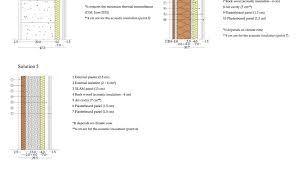
When evaluating the stratigraphy of a wall, we consider the individual components that make up its structure, such as materials, thicknesses, and textures. By examining these features one by one, we can reconstruct the wall’s overall characteristics, including its strength, thermal insulation, and acoustic properties.
For instance, let’s consider a typical residential wall composed of brickwork with a concrete foundation. A stratigraphic analysis would reveal the following layers:
- Foundation layer: This is the lowest layer, comprising the concrete base that transfers loads to the ground.
- Brickwork layer: The primary structure of the wall, made from bricks or blocks that provide strength and support.
- Rendering layer: A thin layer of material (e.g., plaster or render) applied over the brickwork to create a smooth surface.
By analyzing these individual layers, we can determine the overall quality and behavior of the wall. For example:
- The concrete foundation provides stability, but the rendering layer may be prone to cracking due to thermal expansion.
- The brickwork layer offers good strength and durability, but its composition and texture might affect acoustic performance.
The Advantages of Modern Stratigraphic Analysis
With advancements in technology, conducting stratigraphic analyses has become more efficient and effective. Computer-aided design (CAD) software and other tools enable us to simulate and predict the behavior of structures based on their composition and layers. This allows for better planning and decision-making in fields like energy efficiency, acoustic insulation, and sustainable building practices.
Stratigraphy for Floors (Solaio)
The stratigraphy of a floor is similar to that of a wall, but it involves specific considerations due to its unique properties. For instance, the distinction between solid floors made from concrete and those with metal frameworks is crucial. Understanding these differences helps architects and builders design more effective, efficient, and sustainable structures.
In a typical commercial building, for example:
- The floor may consist of multiple layers, including the slab (concrete), underlayment ( insulation material), and subflooring (wood or composite materials).
- Each layer has its own unique characteristics, such as thermal conductivity, weight capacity, and acoustic properties.
- Understanding these layers is essential to optimize energy efficiency, reduce noise pollution, and enhance overall building performance.
Unraveling the Layers of Snow (Neve)
When analyzing snow layers, we use techniques like stratigraphy to understand their composition and behavior. By examining individual strata, we can identify factors that contribute to avalanches, such as changes in temperature or humidity. This knowledge is essential for skiers, snowboarders, and emergency responders.
In snow stratigraphy:
- The first layer to form is often the surface snowpack, which can be quite unstable.
- Subsequent layers may be deposited on top of the previous one, creating a complex stratigraphic sequence.
- By analyzing these layers, scientists can predict avalanche risks, track changes in weather patterns, and develop more effective mitigation strategies.
Stratigraphy for Roofs (Tetto)
The stratigraphy of a roof shares similarities with that of walls and floors but requires specialized expertise due to its unique requirements. Understanding the composition, material properties, and layers of roofing materials helps builders design more efficient, durable, and sustainable structures that meet specific needs like insulation, waterproofing, and wind resistance.
In a typical residential roof:
- The underlayment layer provides additional protection against weathering and damage.
- The roofing material (e.g., asphalt shingles or clay tiles) is applied on top of the underlayment, followed by flashing and other details.
- A stratigraphic analysis would reveal the specific properties of each component, such as thermal resistance, water absorption, and wind uplift capacity.
Balancing Complexity and Clarity: The Art of Stratigraphy
Stratigraphy demands a delicate balance between complexity and clarity. By breaking down intricate concepts into accessible language and presenting them in an engaging format, we can facilitate a deeper understanding of this fundamental science. Whether applied to everyday structures or complex environmental systems, stratigraphy offers a wealth of insights that can inform our decisions and improve our world.
Conclusion: The Power of Stratigraphy in Shaping Our Understanding
Stratigraphy is more than just a scientific discipline; it has far-reaching implications for how we design, build, and interact with our surroundings. By embracing this concept and its applications, we can unlock new perspectives on the intricate relationships between structures, materials, and environments.
Frequently Asked Questions (FAQs)
- What is the principle of superposition in stratigraphy?
The principle of superposition states that older layers are buried beneath younger ones. - How does stratigraphic analysis relate to building design?
Stratigraphic analysis helps architects and builders understand the composition, properties, and behavior of materials used in construction, leading to more efficient, sustainable, and resilient structures. - What is the significance of stratigraphy in environmental science?
Stratigraphy provides valuable insights into the composition, dynamics, and hazards associated with snow, helping us better predict and prepare for avalanches and other related risks. - How can I apply stratigraphic principles to my building or structure?
Start by examining individual components, such as materials, thicknesses, and textures. Analyze these features one by one to reconstruct the overall characteristics of your structure, including its strength, thermal insulation, and acoustic properties. - What are some modern tools used in stratigraphic analysis?
CAD software, computer-aided design (CAD), 3D modeling, geospatial analysis, and machine learning algorithms can help streamline and enhance stratigraphic analyses. - Can stratigraphy be applied to other fields beyond construction and environment?
Yes, stratigraphic principles have applications in various disciplines, such as archaeology, paleontology, forensic science, and even medicine (e.g., analyzing tumor growth patterns). - How can I learn more about stratigraphy and its applications?
Stay updated by following publications, attending workshops, joining online forums, or participating in professional organizations focused on geology, environmental science, and related fields. - What are some common misconceptions about stratigraphy?
Misconceptions include:
a) The only relevance of stratigraphy is to geologists;
b) Stratigraphy is only concerned with rocks;
c) Stratigraphy is a static discipline that cannot be applied to dynamic systems;


