
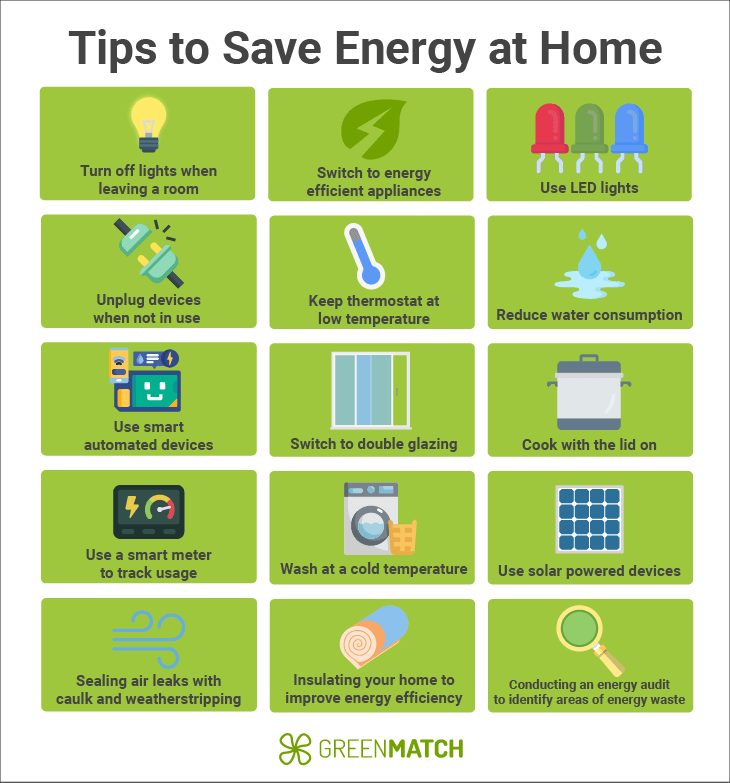
As we strive to live a more sustainable lifestyle, reducing consumption is an essential step towards a healthier planet. But where do we start? The first step is to identify and eliminate waste in our daily activities. We often overlook the small, yet significant, wasteful habits that can be easily replaced with more mindful choices.
Understanding Domestic Consumption
Domestic consumption can be broken down into four main categories: food, energy, heating, and water. Each of these areas presents opportunities for reduction, and by understanding the common pitfalls, we can make informed decisions to live a more sustainable lifestyle.
Food Consumption
Food waste is a significant contributor to domestic consumption. Simple changes to our daily habits can lead to substantial reductions in waste. Here are some tips to get you started:
- Plan your meals: Instead of buying random items based on sale prices, plan your meals and make a grocery list. This will help you avoid buying too much food that may go to waste.
- Use up leftovers: Get creative with leftover ingredients to reduce food waste. Try making new dishes or using leftover ingredients in soups or stews.
- Choose multi-use products: Opt for items that can serve multiple purposes, such as reusable bags or containers. These can help reduce packaging waste and make grocery shopping more efficient.
By adopting these habits, you’ll not only reduce consumption but also develop healthier eating habits and save money on groceries.
Energy Consumption
Energy-efficient appliances and practices can significantly reduce domestic energy consumption. Here are some tips to get you started:
- Check the energy label: When purchasing new appliances, look for the energy label to ensure they meet your energy efficiency standards.
- Use power strips: Plug electronics into power strips and turn off the strip when not in use to eliminate standby power consumption.
- Upgrade to LED bulbs: Replace traditional incandescent bulbs with LED bulbs, which consume significantly less energy.
By making these simple changes, you’ll reduce your energy consumption and lower your utility bills.
Heating Consumption
Heating consumption can be reduced by implementing energy-efficient practices in the home. Here are some tips to get you started:
- Maintain your heating system: Regular maintenance can help extend the life of your heating system and improve efficiency.
- Use a programmable thermostat: Adjust your temperature settings based on your daily schedule to optimize heating consumption.
- Add insulation: Proper insulation can help reduce heat loss and minimize heating consumption.
By implementing these practices, you’ll reduce your heating consumption and lower your energy bills.
Water Consumption
Water consumption is another area where we can make significant reductions. Here are some tips to get you started:
- Fix leaks promptly: A single dripping faucet can waste up to 20 gallons of water per day.
- Install low-flow fixtures: Replace traditional showerheads and faucets with low-flow alternatives.
- Use a water-efficient washing machine: Front-loading washing machines use significantly less water than top-loading models.
By implementing these practices, you’ll reduce your water consumption and lower your utility bills.
The Benefits of Reducing Consumption
Reducing domestic consumption has numerous benefits for the environment, our health, and our wallets. By reducing waste, we can:
- Decrease greenhouse gas emissions: Consuming less energy and water reduces our carbon footprint and contributes to a cleaner environment.
- Save money on utility bills: Reducing energy consumption and water usage can lead to significant savings on utility bills.
- Develop healthier habits: Eating healthier, exercising more, and reducing stress all contribute to improved overall health.
Common Pitfalls in Reducing Domestic Consumption
While the benefits of reducing domestic consumption are clear, there are also some common pitfalls to be aware of. Here are a few:
- Suggesting that consumers must abandon certain habits or products entirely: This approach can be overly restrictive and may lead to frustration and abandonment.
- Focusing solely on individual behaviors rather than systemic changes: While changing our daily habits is essential, it’s equally important to address the broader systemic issues that contribute to consumption and waste.
- Ignoring the importance of education and awareness in promoting sustainable practices: Education and awareness are critical components of successful sustainability initiatives. They help us understand the impact of our actions and provide a foundation for making informed decisions.
By understanding these common pitfalls, we can work towards creating a more sustainable future for everyone.
Conclusion
Reducing domestic consumption is a simple yet effective way to live a more sustainable lifestyle. By understanding the common pitfalls and adopting energy-efficient practices, we can make significant reductions in waste, energy consumption, heating consumption, and water consumption. Take control of your consumption habits today and start making a positive impact on the environment.
FAQs
- What are some simple ways to reduce food waste?
- Plan your meals and make a grocery list
- Use up leftovers creatively
- Choose multi-use products like reusable bags or containers
- How can I reduce my energy consumption at home?
- Check the energy label when purchasing new appliances
- Use power strips to eliminate standby power consumption
- Upgrade to LED bulbs, which consume significantly less energy
- What are some ways to reduce heating consumption in my home?
- Maintain your heating system through regular maintenance
- Use a programmable thermostat to optimize temperature settings
- Add insulation to reduce heat loss and minimize heating consumption
- How can I conserve water at home?
- Fix leaks promptly, as a single dripping faucet can waste up to 20 gallons of water per day
- Install low-flow fixtures like showerheads and faucets
- Use a water-efficient washing machine like a front-loading model
- What are some common pitfalls in reducing domestic consumption?
- Suggesting that consumers must abandon certain habits or products entirely
- Focusing solely on individual behaviors rather than systemic changes
- Ignoring the importance of education and awareness in promoting sustainable practices
By understanding these common pitfalls, we can work towards creating a more sustainable future for everyone.


