
Introduction
In the world of plants, few species command as much attention as the deadly nightshade (Atropa belladonna). Also known as stramonio in Italian, this plant has a long history of use and abuse, with properties that are both alluring and toxic. In this article, we’ll delve into the world of the deadly nightshade, exploring its origins, effects, uses, and warnings.
What is Deadly Nightshade?
Deadly nightshade is an annual herbaceous plant belonging to the Solanaceae family. It’s a member of the same family as tomatoes and potatoes, but don’t let that fool you – this plant is highly toxic. The source of its toxicity lies in the high concentration of alkaloids, particularly scopolamine and atropine.
Origin
The origins of deadly nightshade are shrouded in mystery, but it’s believed to have been used by indigenous cultures for centuries. It grows naturally in sub-tropical regions and temperate climates, including Italy, where it’s found in wild fields, ruins, and roadsides. Its popularity as a medicinal plant dates back to ancient Greece and Rome.
Description
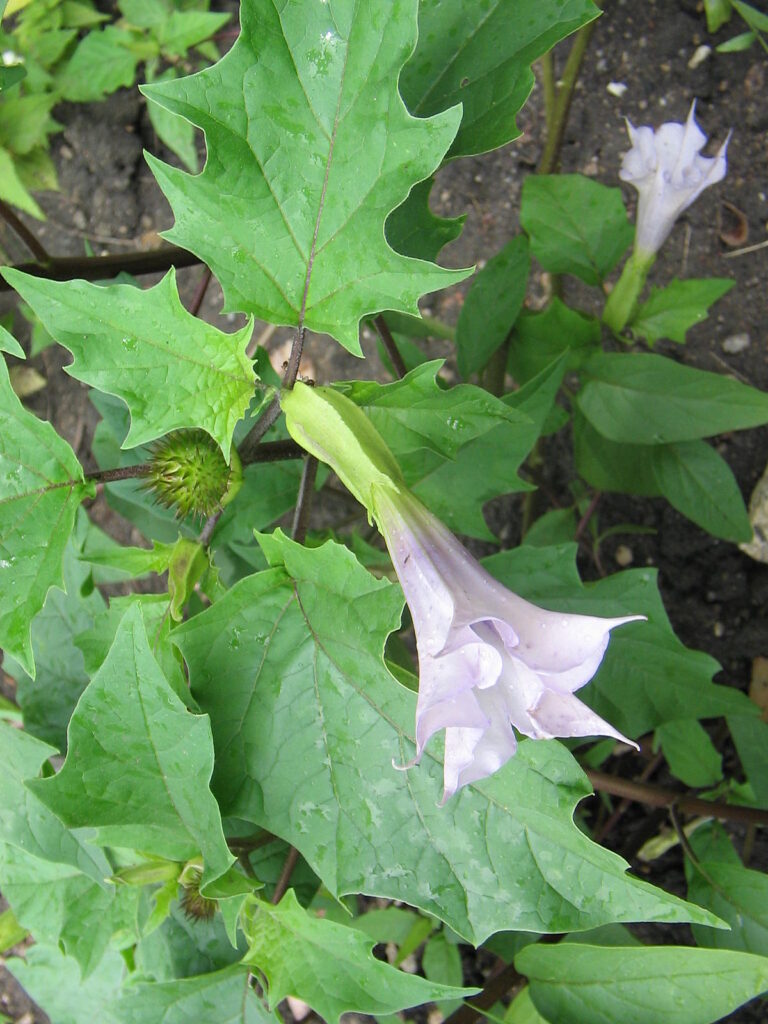
Deadly nightshade is a distinctive-looking plant with large, simple leaves and white flowers that appear from July to October. The flowers are followed by small, berry-like fruits containing four loggias (small chambers) that protect the seeds. The plant can grow up to two meters tall, but its stems often remain lower due to self-pruning.
Effects
The effects of deadly nightshade are both fascinating and terrifying. Its alkaloids have sedative, analgesic, and hallucinogenic properties, making it a popular choice for traditional medicine. However, these same compounds can also cause severe poisoning, leading to respiratory failure, cardiac arrest, and even death.
Use in Traditional Medicine
In the past, deadly nightshade was used extensively in traditional medicine, particularly for its sedative effects. It was also employed in rituals and spiritual practices by indigenous cultures. However, modern omeopathy has largely disavowed its use, opting instead for ultra-diluted preparations that are unlikely to be effective.
Use as a Treatment for Certain Conditions
In some cases, deadly nightshade may be used to treat conditions such as convulsive disorders, anxiety, and depression. However, its effectiveness is uncertain, and the risks of poisoning far outweigh any potential benefits.
Use as a Treatment for Children with ADHD
Deadly nightshade has also been suggested as a treatment for children with attention deficit hyperactivity disorder (ADHD). Its sedative effects might help regulate symptoms, but this use is highly speculative and requires further research.
Photography and Illustrations
To better understand deadly nightshade, it’s essential to see its striking appearance. Here are some images of the plant:
- Semi: Take a look at these beautiful seeds that will make you appreciate the complexity of nature.
- Foliage: See how striking the leaves of this herbaceous plant are.
Conclusion
The deadly nightshade is a mysterious and perilous plant with both fascinating and toxic properties. While its use in traditional medicine has largely been disavowed, it remains an intriguing subject for study. With caution and respect, we can appreciate the beauty and complexity of nature while avoiding its deadly allure.
Frequently Asked Questions
Q: What are the effects of ingesting deadly nightshade?
A: The effects of ingesting deadly nightshade can be severe and potentially fatal. Ingestion of even small amounts can cause respiratory failure, cardiac arrest, and other systemic problems.
Q: Is it safe to use deadly nightshade as a treatment for ADHD in children?
A: There is no conclusive evidence that deadly nightshade is an effective or safe treatment for ADHD in children. Its sedative effects may help regulate symptoms, but the risks of poisoning far outweigh any potential benefits.
Q: Can I grow deadly nightshade in my garden?
A: Yes, you can grow deadly nightshade in your garden, but be aware that it’s a highly toxic plant and should be handled with care. Wear protective clothing when handling the plant, and avoid ingesting any parts of the plant.
Q: What are the historical uses of deadly nightshade?
A: Deadly nightshade has been used for centuries in traditional medicine, rituals, and spiritual practices by indigenous cultures. Its alluring properties have made it a popular subject for study and experimentation.
Q: Can I use deadly nightshade as a natural remedy for certain conditions?
A: While there is some evidence that deadly nightshade may be useful in treating certain conditions, its effectiveness is uncertain, and the risks of poisoning far outweigh any potential benefits. Consult with a medical professional before using any plant-based remedies.
Q: How can I identify deadly nightshade?
A: Deadly nightshade is easily recognizable by its distinctive white flowers, large leaves, and small, berry-like fruits. Be aware that it grows in wild fields, ruins, and roadsides, making it easy to encounter.


