
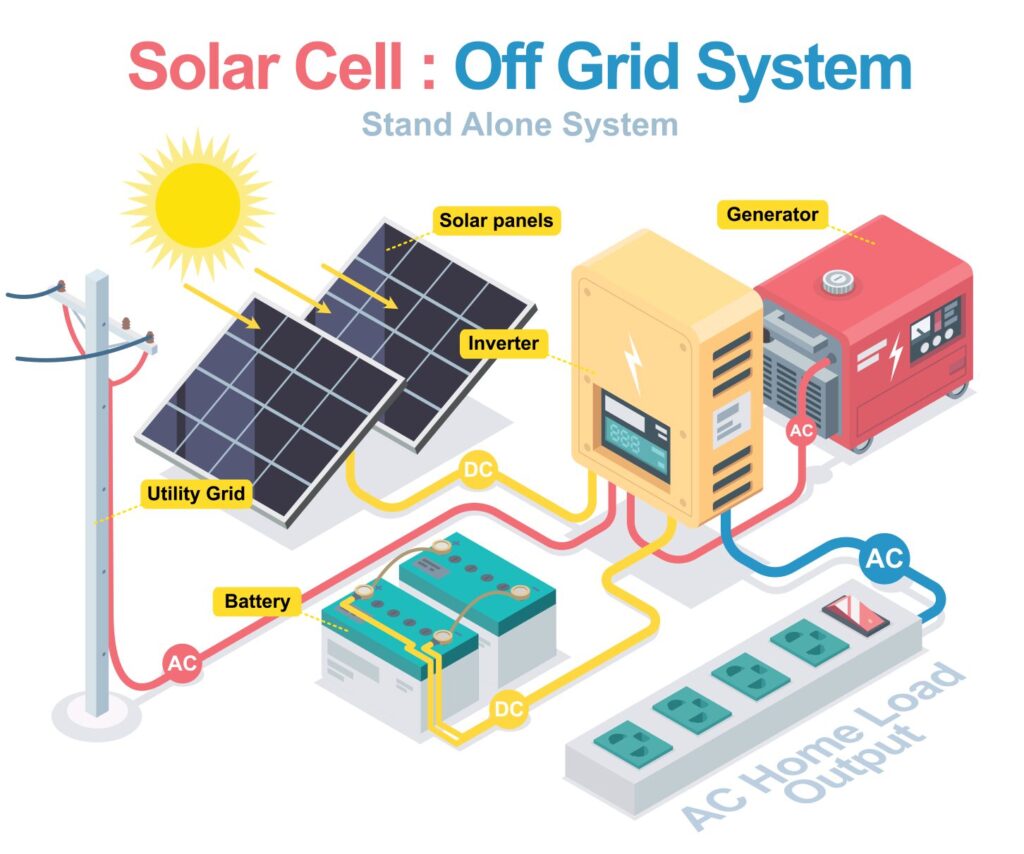
As the world shifts towards renewable energy sources, energy storage systems have become an essential component in optimizing the performance of solar-powered homes and businesses. In this article, we will delve into the world of integrated inverters and energy storage systems, exploring their benefits, types, and applications.
What are Energy Storage Systems?
Energy storage systems are designed to store excess energy generated by a solar panel system during the day for use at night or during periods of low sunlight. This allows homeowners and businesses to reduce their reliance on the grid and lower their energy bills. By storing energy, you can enjoy the benefits of renewable energy while minimizing your carbon footprint.
The Benefits of Integrated Inverters with Energy Storage
One of the primary advantages of integrating inverters with energy storage systems is that they provide a reliable source of electricity even during periods of low sunlight or when the grid is down. This means you can enjoy continuous power, without worrying about interruptions or outages.
In addition to increased reliability, integrated inverters with energy storage systems offer several other benefits:
- Energy Independence: With an integrated inverter and energy storage system, you can generate, store, and consume your own electricity, reducing your reliance on the grid.
- Renewable Energy Optimization: Integrated inverters with energy storage systems optimize the performance of solar panels by storing excess energy for use during periods of low sunlight.
- Reduced Energy Bills: By storing energy during peak hours and using it during off-peak hours, you can reduce your energy bills and lower your carbon footprint.
Types of Inverters
There are two primary types of inverters used in solar-powered systems: monophase and trifase inverters. Monophase inverters are designed for residential use, while trifase inverters are typically used in commercial and industrial applications.
Monophase Inverters
Monophase inverters are the most common type of inverter used in residential solar-powered systems. They convert direct current (DC) from the solar panels to alternating current (AC), which is then fed into the electrical grid. Monophase inverters are designed for small-scale energy production and are typically installed on rooftops or in backyards.
Trifase Inverters
Trifase inverters, on the other hand, are used in commercial and industrial applications where higher power requirements exist. They convert DC from the solar panels to AC at a faster rate than monophase inverters and can handle larger energy loads.
The Role of Batteries in Energy Storage Systems
Batteries play a crucial role in energy storage systems, as they store excess energy generated by the solar panel system during the day for use at night or during periods of low sunlight. Batteries come in various types, including lead-acid, lithium-ion, and nickel-cadmium.
Lithium-Ion Batteries
Lithium-ion batteries are the most popular type of battery used in energy storage systems. They offer high energy density, long lifespan, and fast charging times. Lithium-ion batteries are also more environmentally friendly than other types of batteries.
Other Types of Batteries Used in Energy Storage Systems
- Lead-Acid Batteries: Lead-acid batteries are less expensive than lithium-ion batteries but have lower energy density and shorter lifespans.
- Nickel-Cadmium Batteries: Nickel-cadmium batteries are used in some applications, such as electric vehicles, due to their high energy density and long lifespan.
The Benefits of Using Different Types of Batteries in Energy Storage Systems
- Lithium-Ion Batteries: High energy density, long lifespan, and fast charging times make lithium-ion batteries ideal for energy storage systems.
- Lead-Acid Batteries: Less expensive than lithium-ion batteries but have lower energy density and shorter lifespans.
- Nickel-Cadmium Batteries: Used in some applications, such as electric vehicles, due to their high energy density and long lifespan.
Applications of Integrated Inverters with Energy Storage Systems
Integrated inverters with energy storage systems can be used in various applications, including:
- Residential Solar-Powered Homes: Integrated inverters with energy storage systems can provide a reliable source of electricity even during periods of low sunlight or when the grid is down.
- Commercial and Industrial Applications: Trifase inverters can be used for commercial and industrial applications where higher power requirements exist.
- Electric Vehicles: Lithium-ion batteries are commonly used in electric vehicles due to their high energy density and long lifespan.
Challenges and Limitations of Integrated Inverters with Energy Storage Systems
While integrated inverters with energy storage systems offer numerous benefits, there are also challenges and limitations to consider:
- Cost: The cost of integrated inverters with energy storage systems can be higher than traditional solar-powered systems.
- Complexity: Integrated inverters with energy storage systems require complex system design and installation, which can increase costs and reduce efficiency.
- Maintenance: Integrated inverters with energy storage systems require regular maintenance to ensure optimal performance and extend lifespan.
Conclusion
Integrated inverters with energy storage systems have revolutionized the way we generate, store, and consume electricity. By optimizing the performance of solar panels and providing a reliable source of electricity even during periods of low sunlight or when the grid is down, integrated inverters with energy storage systems offer numerous benefits for homeowners and businesses.
FAQs
- What are the main benefits of integrating inverters with energy storage systems?
Integrated inverters with energy storage systems provide increased reliability, reduced energy bills, and renewable energy optimization. - What are the primary types of inverters used in solar-powered systems?
The two primary types of inverters used in solar-powered systems are monophase and trifase inverters. - What is the role of batteries in energy storage systems?
Batteries store excess energy generated by the solar panel system during the day for use at night or during periods of low sunlight. - Which type of battery is most commonly used in energy storage systems?
Lithium-ion batteries are the most popular type of battery used in energy storage systems due to their high energy density, long lifespan, and fast charging times. - Can integrated inverters with energy storage systems be used for commercial and industrial applications?
Yes, trifase inverters can be used for commercial and industrial applications where higher power requirements exist. - How do integrated inverters with energy storage systems optimize the performance of solar panels?
Integrated inverters with energy storage systems store excess energy generated by the solar panel system during the day for use at night or during periods of low sunlight, optimizing the performance of solar panels. - Can I choose between different types of batteries for my energy storage system?
Yes, you can choose from various types of batteries, including lead-acid, lithium-ion, and nickel-cadmium, depending on your specific needs and requirements. - What is the expected lifespan of a battery in an energy storage system?
The expected lifespan of a battery in an energy storage system varies depending on the type of battery used and environmental factors.


