
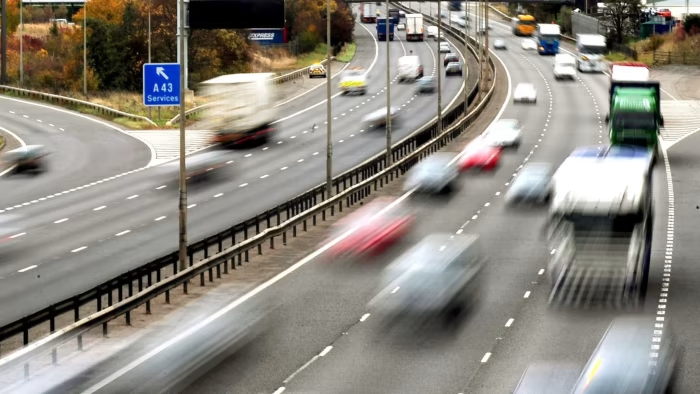
In a groundbreaking decision, the European Parliament has approved a historic measure to ban the sale of polluting cars in Europe by 2035. This landmark legislation is a significant victory for environmentalists and those who care about preserving our planet’s health.
What Does this Mean for Car Owners?
As of 2035, new cars with internal combustion engines will no longer be sold in Europe. This means that only electric or hybrid vehicles will be allowed on the market. However, existing polluting cars produced before 2035 can continue to operate, albeit with stricter emissions regulations.
Car owners who purchase a new vehicle after 2035 will have access to an extensive range of electric and hybrid options, including models from established manufacturers like Volkswagen, Ford, and Peugeot. These vehicles are not only more environmentally friendly but also offer improved performance, comfort, and efficiency.
On the other hand, existing polluting cars produced before 2035 can continue to operate, albeit with stricter emissions regulations. This means that car owners will need to ensure their vehicles meet the new standards set by the European Commission. For example, they may need to install an emissions-reducing system or replace certain components.
The Impact on Emissions and Air Quality
To mitigate the effects of these changes, the European Commission has set ambitious targets for reducing emissions from new cars by 55% by 2030. This means that car manufacturers will need to significantly reduce the carbon dioxide (CO2) emissions from their vehicles. For commercial vehicles, the target is a 50% reduction in CO2 emissions.
The ban on polluting cars is expected to have a significant impact on air quality and public health. The European Environment Agency has estimated that the reduction in CO2 emissions will lead to a decrease in particulate matter (PM) concentrations by up to 90%. This, in turn, can reduce the number of premature deaths caused by air pollution.
A Special Exemption for Luxury Car Manufacturers
In a surprise move, the European Parliament has granted a one-year exemption to luxury car manufacturers such as Ferrari, Maserati, and Lamborghini. These companies will be allowed to continue producing polluting cars until 2036, provided they meet certain conditions. Additionally, small-scale producers that manufacture fewer than 1,000 vehicles per year will also receive an exemption.
This exemption is seen as a concession to the luxury car industry, which has been hesitant to adopt electric and hybrid technologies. However, it is also seen as a necessary measure to ensure a smooth transition from traditional vehicles to more sustainable alternatives.
The Future of the Second-Hand Market
With this new regulation, the second-hand car market is set to experience a significant boost. As polluting cars become increasingly scarce, buyers will be forced to look for older models or electric cars that have been on the market for longer. This shift in demand could lead to increased sales and revenue for used car dealerships.
However, some experts are concerned about the potential disruption to the second-hand market caused by the ban on polluting cars. They argue that this could lead to a shortage of vehicles available for purchase, which could result in higher prices and decreased availability.
Industry Reactions
The automotive industry has expressed concerns about the short timeframe set by the European Parliament. Some manufacturers fear that this deadline may result in significant losses, which could lead to job cuts. The unions, on the other hand, are worried about the potential impact on workers who rely on the automotive sector for their livelihood.
Ford, one of the largest car manufacturers in Europe, has stated that it is committed to reducing emissions and improving fuel efficiency. However, it has also expressed concerns about the feasibility of meeting the new targets set by the European Commission.
Conclusion
The European Parliament’s decision to ban polluting cars by 2035 is a significant step towards creating a more sustainable transportation system. As we move forward, it will be crucial to ensure that the transition to electric and hybrid vehicles is smooth and managed in an environmentally responsible manner. By working together, we can create a cleaner, healthier environment for future generations.
Frequently Asked Questions
- Q: What happens to existing polluting cars produced before 2035?
A: These cars can continue to operate, but manufacturers will need to adhere to stricter emissions regulations. - Q: Will there be a phase-out period for these cars?
A: Yes, a two-year transition period has been established, allowing owners to replace their vehicles or adapt them to meet new emissions standards. - Q: What about luxury car manufacturers that produce fewer than 1,000 vehicles per year?
A: These companies will receive an exemption from the ban on polluting cars until 2036. - Q: How will the European Commission monitor progress towards reducing emissions?
A: The Commission will publish biennial reports to track the effectiveness of the new regulations and identify areas for improvement. - Q: What are the potential consequences for the automotive industry and workers?
A: Industry leaders have expressed concerns about job losses, while unions worry about the impact on workers who may lose their jobs due to reduced demand for traditional vehicles. - Q: How will the ban affect the second-hand car market?
A: The ban is expected to boost sales in this sector as consumers seek older models or electric cars that have been on the market for longer. - Q: What does this mean for air quality and public health?
A: By reducing emissions, we can significantly improve air quality, which has a direct impact on human health, particularly for vulnerable populations like children, the elderly, and those with respiratory issues.
In conclusion, the European Parliament’s decision to ban polluting cars by 2035 is a crucial step towards creating a more sustainable future. As we move forward, it will be essential to ensure that this transition is managed in an environmentally responsible manner, minimizing disruptions to industries and workers while maximizing benefits for our planet.


