
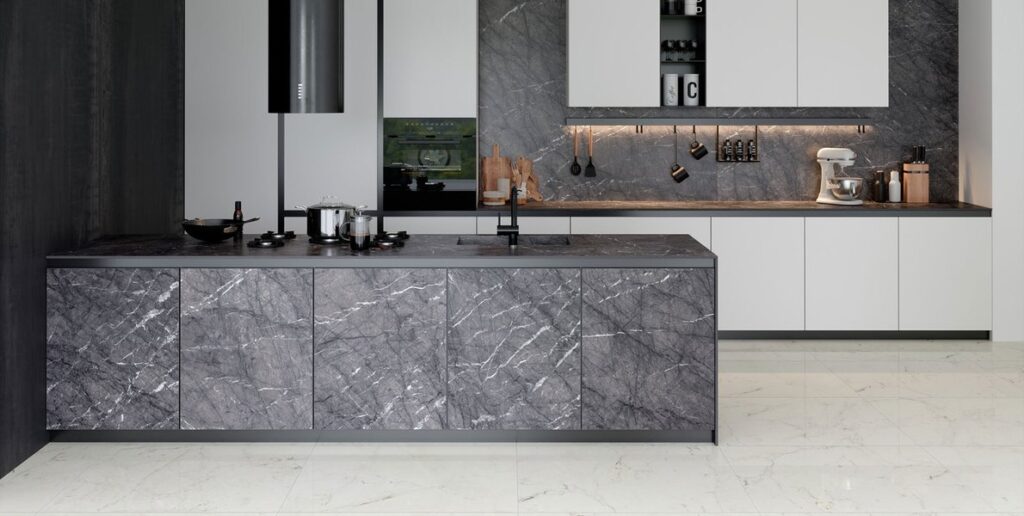
When it comes to selecting a material for your kitchen top, there are many factors to consider beyond aesthetics. Functionality and durability play crucial roles in ensuring a practical and long-lasting surface. In this article, we’ll delve into the benefits of choosing the right material, with a special focus on the increasingly popular gres porcelain.
What is a Kitchen Top?
A kitchen top is one of the most frequently used surfaces in your home, where food preparation takes center stage. It must be practical, resistant, and easy to clean. With numerous materials available, the gres porcelain stands out for its exceptional properties.
The Benefits of Gres Porcelain
Gres porcelain boasts a unique combination of beauty and functionality that few other materials can match. Its composition provides a perfect blend of style and utility.
Unmatched Durability
Gres porcelain is renowned for its incredible resistance to wear, scratches, and extreme temperatures. This makes it an ideal choice for kitchens where accidents can happen frequently. The material also withstands heat without sustaining damage, allowing you to place hot pans directly on the surface without worrying about damage.
Easy Maintenance
One of gres porcelain’s greatest advantages is its ease of cleaning. Unlike other materials that absorb liquids and stains, gres doesn’t. A simple daily wipe-down using a damp cloth can keep your kitchen top looking pristine. Additionally, it is resistant to chemical agents, so you can use regular cleaning products without worrying about damaging the surface.
Aesthetic Versatility
Gres porcelain comes in a vast array of colors and finishes, allowing for seamless adaptation to any kitchen style – from modern minimalist to traditional elegance. Its ability to mimic the appearance of other natural materials like marble, granite, wood, or cement provides an elegant look without the drawbacks associated with those materials.
Sustainability
The production process of gres porcelain generally takes a more environmentally friendly approach compared to other building materials. Primarily made from natural resources such as clay, feldspar, and sand, it tends to reduce ecological impact when manufactured using sustainable practices by minimizing energy consumption and emissions during the manufacturing phase. By choosing gres for your kitchen top, you contribute to lessening the environmental footprint of your home.
Excellent Value
Lastly, gres porcelain offers a superior value proposition. Although it may have a higher initial cost compared to other materials, its durability means lower maintenance and replacement costs over time. This long-term investment in quality translates into significant savings in the end.
Why Choose Gres Porcelain for Your Kitchen Top?
Considering these benefits, choosing gres porcelain for your kitchen top represents a wise decision that not only ensures functionality but also delivers an excellent aesthetic return on investment. Its unparalleled durability, combined with its ease of maintenance and versatility in design, makes it the perfect choice for any homeowner seeking a high-quality, low-maintenance surface for their kitchen.
Types of Materials to Consider
While gres porcelain is a top contender, there are other materials that may suit your needs. Some popular alternatives include:
- Granite: Known for its durability and resistance to heat, granite can make a stunning kitchen top.
- Marble: Adding an elegant touch to any kitchen, marble brings sophistication and refinement.
- Wood: A natural choice, wood can provide warmth and character to your kitchen space.
- Stainless Steel: Ideal for modern kitchens, stainless steel offers durability and ease of maintenance.
Design Considerations
When selecting a material for your kitchen top, consider the overall design and aesthetic you want to achieve. Here are some key factors to keep in mind:
- Color Scheme: Choose a color that complements your kitchen’s existing palette.
- Pattern and Texture: Select a pattern or texture that suits your personal style.
- Style: Consider the overall look and feel you want to create – modern, traditional, or something else.
Installation Considerations
Proper installation is essential for ensuring the longevity of your kitchen top material. Here are some key factors to keep in mind:
- Preparation: Ensure the surface beneath the new material is level and clean.
- Measuring: Measure carefully to ensure a precise fit.
- Installation Methods: Choose the right installation method for your chosen material.
Conclusion
In conclusion, when selecting a material for your kitchen top, consider the practical needs and desires you have for this critical area of your home. Gres porcelain stands out as an ideal choice due to its unmatched durability, ease of maintenance, aesthetic versatility, sustainability, and value. By understanding the benefits and considerations involved in choosing the right material, you can create a functional and beautiful kitchen space that meets all your needs.
Frequently Asked Questions
- Is gres porcelain durable? Yes, it is highly resistant to wear, scratches, and extreme temperatures.
- How do I clean gres porcelain? A damp cloth is all you need for a daily wipe-down; no harsh chemicals required.
- Can I place hot pans directly on gres porcelain? Absolutely; its high heat resistance makes it safe to use for cooking.
- Does gres porcelain stain easily? No, its non-absorbent surface prevents stains and spills from penetrating the material.
- Is gres porcelain sustainable? Yes, its production process tends to be more environmentally friendly compared to other building materials.
- Can I customize my kitchen top with gres porcelain? Yes; a wide range of colors and finishes are available for seamless adaptation to any style.


