
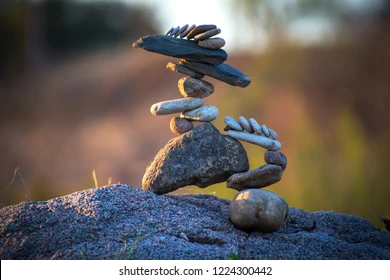
As we walk through life, we often come across things that leave us in awe of their beauty and complexity. One such phenomenon is the art of stone balancing, where artists create intricate sculptures using stones to defy the laws of physics, particularly gravity. At first glance, it may seem like a simple trick, but as you delve deeper into this unique art form, you’ll discover that it requires patience, humility, and a deep connection with nature.
What is Stone Balancing?
Stone balancing, also known as Land Art or Effimera, is a performance art that challenges the laws of physics and gravity. It involves arranging stones in perfect balance, often creating stunning sculptures that can withstand harsh weather conditions. This art form has been recognized and celebrated worldwide, with artists pushing the boundaries of what’s possible.
The History of Stone Balancing
One of the earliest examples of stone balancing can be found in the Inuit culture, where they used to create structures known as Inukshuk. These were stone figures built by the Inuit people to serve as landmarks and guides for navigation. Some of these Inukshuks are still standing today, a testament to the ingenuity and skill of our ancestors.
The Significance of Stone Balancing
So, what’s the purpose of creating such intricate sculptures? For some artists, stone balancing is a journey to find balance within themselves. It requires patience, humility, and a willingness to let go of control. As you work on your sculpture, you become fully immersed in nature, tuning into its rhythms and sounds. This connection with the natural world is essential for finding inner peace and balance.
Meet the Artists
There are many talented stone balancers around the world, each with their unique style and approach. Some notable artists include Nadine Fourrè from France, Bill Dan from San Francisco, Andy Goldsworthy from Scotland, John Félice Ceprano from Canada, Michael Grab from Colorado, and others.
Techniques and Tips
If you’re interested in trying your hand at stone balancing, there are several techniques to explore:
- Equilibrio puro: This involves finding balance on a single point of support.
- Counterbalance: This technique uses smaller rocks to counteract the weight of larger ones.
- Stacking balance: This method involves stacking rocks to create structures with varying heights.
- Free style: A mix of different techniques, allowing for creative experimentation.
Understanding the Science Behind Stone Balancing
Stone balancing is not just an art form; it’s also a demonstration of the principles of physics and gravity. When a stone is balanced on top of another, the center of gravity is lowered, creating a stable equilibrium. The smaller rocks used in counterbalance work by reducing the overall weight of the structure, allowing for greater stability.
Environmental Impact
Stone balancing can have both positive and negative environmental impacts. On one hand, using natural materials like stones reduces waste and promotes sustainability. On the other hand, some stone balancing projects may disrupt local ecosystems or damage sensitive habitats.
Challenges and Limitations
Despite its beauty and complexity, stone balancing is not without its challenges. One of the biggest limitations is finding the right balance between aesthetics and stability. Other challenges include dealing with harsh weather conditions, preserving the sculpture over time, and ensuring that it remains safe for viewers.
Conclusion
Stone balancing is an art form that challenges our perceptions and pushes us to explore new possibilities. As we continue on our own journeys, may we find inspiration in the intricate sculptures created by these talented artists. Whether it’s a symbol of balance within ourselves or a testament to human ingenuity, stone balancing reminds us of the beauty and complexity that surrounds us.
Frequently Asked Questions
Q: What inspired you to try stone balancing?
A: For many artists, it was a desire to connect with nature and find balance in their lives. It requires patience, humility, and a willingness to let go of control.
Q: How do you choose the right stones for your sculpture?
A: The type of stone used depends on its density, texture, and weight. Artists often experiment with different combinations to achieve the perfect balance.
Q: Can anyone learn stone balancing?
A: While it may seem intimidating at first, stone balancing is an art that can be learned with practice and patience. Start by experimenting with small stones and gradually move on to larger ones.
Q: How long does it take to create a stone balancing sculpture?
A: The time it takes to complete a sculpture varies greatly depending on the complexity of the design and the size of the stones used. Some artists spend hours, even days, working on their masterpiece.
Q: Can you share any tips for beginners?
A: Start by finding a comfortable and stable surface to work on. Experiment with different stone combinations and techniques until you find what works best for you.
Q: How do you maintain your stone balancing sculptures in harsh weather conditions?
A: Some artists use natural materials like leaves or moss to protect their sculptures from the elements, while others choose locations that are more sheltered from wind and rain.
Q: What’s the most challenging part of creating a stone balancing sculpture?
A: For many artists, it’s finding the perfect balance between stability and aesthetics. It requires patience, practice, and attention to detail.
Tips for Building Your Own Stone Balancing Sculpture
- Start with small stones and gradually move on to larger ones.
- Experiment with different stone combinations and techniques until you find what works best for you.
- Find a comfortable and stable surface to work on.
- Be patient and persistent; stone balancing can be a slow and meditative process.
By exploring the art of stone balancing, we can gain a deeper appreciation for the beauty and complexity that surrounds us. Whether it’s a symbol of balance within ourselves or a testament to human ingenuity, stone balancing reminds us of the power of creativity and collaboration.


