
Designing and Building a Garden Pathway: A Comprehensive Guide
Introduction
A well-designed garden pathway can elevate the aesthetic appeal of your outdoor space while providing a safe and accessible route for you and your guests. In this article, we’ll explore the various options for creating a beautiful and functional garden path, including pathways made from stone, gravel, and wood.
Types of Garden Pathways
Stone Pathways
Stone pathways are a popular choice for garden design due to their durability and versatility. The type of stone used can greatly impact the appearance of your pathway. Some common types of stone include:
- Pebble: A small, rounded stone that’s ideal for creating a smooth, even surface.
- Flagstone: A flat stone with a distinctive texture, often used for more formal garden designs.
- Bluestone: A dark-colored stone with a smooth, glossy finish.
To create a stone pathway:
- Prepare the site: Clear the area of any debris and level the ground to ensure a stable surface.
- Lay down a base course: Use compacted gravel or sand to provide drainage and prevent settling.
- Install the stones: Begin by laying down the first course, using a level and a string line to ensure the stones are straight.
- Add additional courses: Continue adding layers of stone, using a mixture of small and large stones to create visual interest.
Gravel Pathways
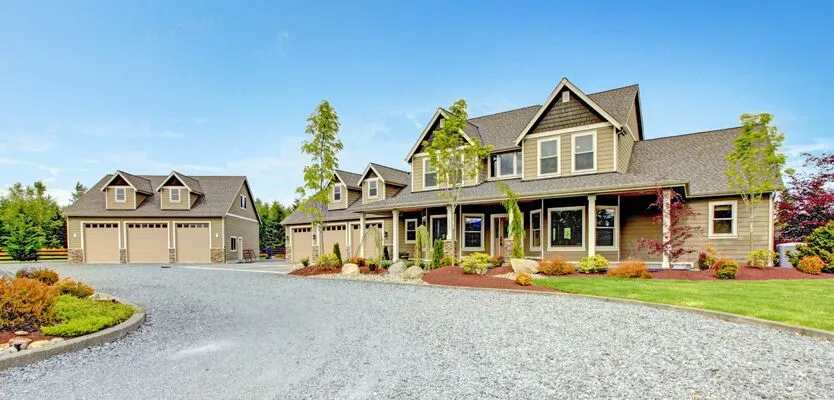
Gravel pathways are another popular option for garden design. They’re often used in more informal settings due to their ability to blend seamlessly into the surrounding landscape.
To create a gravel pathway:
- Choose the right type of gravel: Select a type that’s suitable for your climate and desired appearance.
- Lay down a base course: Use compacted gravel or sand to provide drainage and prevent settling.
- Install the gravel: Begin by laying down the first layer, using a rake to spread it evenly.
- Add additional layers: Continue adding layers of gravel, using a mixture of small and large stones to create visual interest.
Wood Pathways
Wooden pathways can add warmth and character to your garden design. They’re often used in more formal settings due to their ability to create a sense of grandeur.
To create a wooden pathway:
- Choose the right type of wood: Select a type that’s durable and resistant to rot and insect damage.
- Lay down a base course: Use compacted gravel or sand to provide drainage and prevent settling.
- Install the boards: Begin by laying down the first board, using screws or nails to secure it in place.
- Add additional boards: Continue adding boards, using a mixture of large and small pieces to create visual interest.
Tips for Creating a Beautiful Garden Pathway
- Consider the drainage: Make sure your pathway allows for proper drainage to prevent water accumulation and erosion.
- Use mulch or gravel: Mulch or gravel can help suppress weeds and retain moisture in the soil.
- Add lighting: Strategically placed lighting can enhance the ambiance of your garden pathway at night.
Designing a Garden Pathway on a Budget
Creating a beautiful garden pathway doesn’t have to break the bank. Here are some tips for designing a garden path on a budget:
- Use recycled materials: Consider using recycled materials such as old brick or stone to create your pathway.
- Choose affordable materials: Select materials that are affordable and suitable for your climate and desired appearance.
- Keep it simple: Avoid complex designs and focus on simplicity and functionality.
Designing a Garden Pathway with Sustainability in Mind
As more homeowners become environmentally conscious, designing a garden pathway with sustainability in mind has become increasingly important. Here are some tips for creating a sustainable garden path:
- Use local materials: Choose materials that are locally sourced to reduce transportation costs and minimize your carbon footprint.
- Select eco-friendly options: Consider using eco-friendly options such as recycled stone or wood to create your pathway.
- Minimize waste: Plan carefully to minimize waste and reduce the amount of material needed for your project.
Designing a Garden Pathway with Safety in Mind
A well-designed garden pathway can not only be aesthetically pleasing but also safe and accessible. Here are some tips for designing a garden path with safety in mind:
- Use non-slip surfaces: Choose materials that provide good traction to prevent slipping and falling.
- Add lighting: Strategically placed lighting can enhance visibility and reduce the risk of accidents.
- Consider accessibility: Make sure your pathway is accessible to all users, including those with mobility impairments.
Conclusion
A well-designed garden pathway can greatly impact the aesthetic appeal of your outdoor space while providing a safe and accessible route for you and your guests. By choosing the right type of material and following these guidelines, you can create a beautiful and functional pathway that complements your garden design.
Frequently Asked Questions (FAQs)
Q: What’s the best material for creating a garden pathway?
A: The best material for creating a garden pathway depends on your climate, desired appearance, and budget. Some popular options include stone, gravel, and wood.
Q: How do I ensure proper drainage in my garden pathway?
A: To ensure proper drainage in your garden pathway, make sure the area is level and slopes slightly towards the outside of the pathway. You can also use a mixture of compacted gravel or sand at the bottom of the pathway to improve drainage.
Q: Can I create a garden pathway using reclaimed wood?
A: Yes, you can create a garden pathway using reclaimed wood. This can be a cost-effective and environmentally friendly option that adds character to your garden design.
Q: How do I maintain my stone pathway?
A: To maintain your stone pathway, sweep away debris regularly and reapply sealant as needed. You can also use mulch or gravel to suppress weeds and retain moisture in the soil.
Q: Can I create a wooden pathway that’s resistant to rot and insect damage?
A: Yes, you can create a wooden pathway that’s resistant to rot and insect damage by using durable materials such as cedar or redwood. You can also add a waterproof sealant to protect the wood from moisture.


