
As plant enthusiasts, we often admire these incredible organisms, but how much do we really know about their inner workings? One fascinating aspect of plant biology is the stomata, small openings on the leaves that allow for gas exchange with the environment. In this article, we’ll delve into the world of plant stomata and respiration, exploring what they are, why they’re essential, and how they impact our daily lives.
What are Plant Stomata?
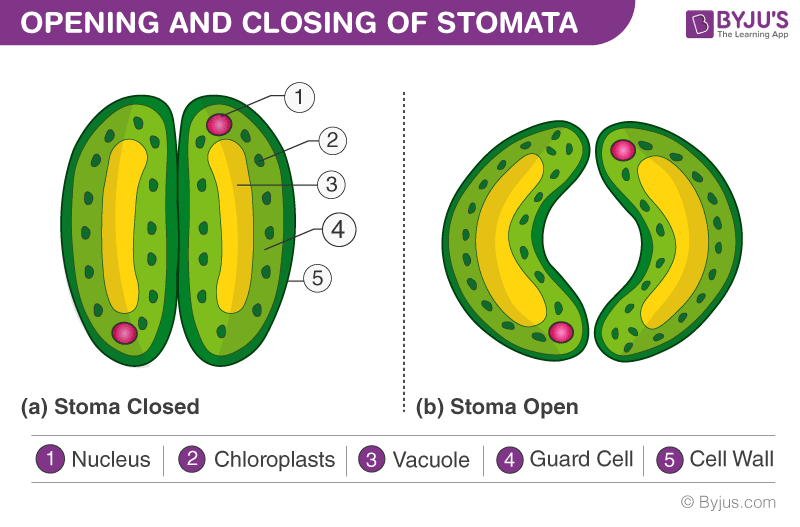
Stomata (singular: stoma) are small openings on the underside of leaves that play a crucial role in gas exchange between plants and their environment. These tiny pores allow for the transfer of oxygen, carbon dioxide, and water vapor, which is essential for plant growth and development.
Imagine two types of cells working together to control the opening and closing of stomata: guard cells and closure cells. Guard cells regulate the turgor pressure within the stoma, while closure cells prevent overwatering by sealing the stoma shut when necessary. This intricate system ensures that plants can breathe efficiently, even in challenging environmental conditions.
The Importance of Plant Stomata
Stomata are vital for plant survival, as they facilitate gas exchange and allow plants to produce energy through photosynthesis. During photosynthesis, plants absorb carbon dioxide and release oxygen, which is then used by the plant’s cells to produce glucose and other organic compounds.
But stomata also play a critical role in regulating water loss, maintaining temperature, and ensuring nutrient uptake from the soil. By controlling the amount of gas exchange that occurs through their leaves, plants can adapt to changing environmental conditions, such as high temperatures or drought stress.
The Respiratory Process in Plants
Plant respiration is a metabolic process that involves the breakdown of glucose to produce energy. This process requires oxygen and releases carbon dioxide as a byproduct. Unlike animal respiration, which relies on the presence of oxygen to generate energy, plant respiration occurs even in the absence of oxygen.
During plant respiration, enzymes break down glucose molecules into simpler compounds, releasing energy that is then used by the plant’s cells to perform various functions. This process also produces carbon dioxide, which is released into the atmosphere through stomata.
The Role of Stomata and Respiration in Plant Growth
Stomata and respiration are intricately linked, as they work together to ensure that plants can grow and thrive. By controlling gas exchange, plants regulate their water loss and maintain a stable internal environment.
As plants grow, their stomata increase in size, allowing for more efficient gas exchange. This is especially important during periods of rapid growth, when plants need to produce energy quickly to support cell division and expansion.
Stomata and Transpiration: Two Interconnected Processes
Transpiration is the process by which water is absorbed from the soil and evaporated through stomata, resulting in water loss from the plant. While stomata allow for gas exchange, they also play a critical role in regulating transpiration.
By controlling the opening and closing of stomata, plants can adjust their water loss to match changing environmental conditions. This is essential for maintaining optimal water balance and preventing water stress, which can lead to reduced growth and productivity.
The Significance of Stomata and Respiration for Animal Life
While plant respiration occurs independently of animal life, the process has significant implications for our daily lives. For example, plants produce oxygen as a byproduct of photosynthesis, which is essential for animal life.
Additionally, plants absorb carbon dioxide from the atmosphere, which is then converted into glucose through respiration. This process has a profound impact on global climate patterns and weather events, making it essential to understand plant biology and management strategies.
Factors Affecting Stomata Function
Several factors can affect stomata function, including:
- Temperature: High temperatures can lead to increased stomatal conductance, while low temperatures can reduce stomatal activity.
- Light: Light intensity can influence stomatal opening and closing, with high light intensities promoting stomatal opening.
- Water availability: Drought stress can reduce stomatal conductance, while excess water can promote stomatal closure.
- CO2 concentration: Elevated CO2 levels can increase stomatal conductance, while low CO2 levels can reduce stomatal activity.
Plant Stomata in Different Environmental Conditions
Stomata function varies depending on the environmental conditions. For example:
- Hot and dry environments: Plants may experience increased water loss through transpiration, leading to reduced growth and productivity.
- Cool and humid environments: Plants may experience reduced water loss through transpiration, allowing for more efficient gas exchange.
Plant Stomata in Agricultural Settings
In agricultural settings, stomata play a critical role in crop growth and yield. For example:
- Irrigation systems can influence stomatal conductance, with excess irrigation leading to reduced plant growth.
- Crop management practices, such as pruning and fertilization, can affect stomatal function.
Conclusion
In conclusion, plant stomata and respiration are fascinating processes that play a critical role in maintaining the health and productivity of plants. By understanding these complex interactions, we can better appreciate the intricate web of life that supports our planet’s ecosystems.
As we continue to explore the world of plant biology, we must recognize the importance of preserving plant diversity and promoting sustainable agricultural practices. By working together, we can ensure a healthy and thriving planet for generations to come.
Frequently Asked Questions (FAQs)
- What are stomata?
Stomata are small openings on the underside of leaves that allow for gas exchange between plants and their environment.
2. Why are stomata important?
Stomata play a critical role in regulating gas exchange, water loss, and nutrient uptake in plants.
3. How do plants produce energy through respiration?
Plants break down glucose molecules into simpler compounds, releasing energy that is then used by the plant’s cells to perform various functions.
4. What is the difference between transpiration and respiration?
Transpiration involves water loss from plants through stomata, while respiration refers to the metabolic process of breaking down glucose for energy production.
5. How do plants regulate their water balance?
Plants control water loss through stomata by adjusting the opening and closing of stomata in response to changing environmental conditions.
6. Why is plant respiration important for animal life?
Plant respiration produces oxygen, which is essential for animal life, and absorbs carbon dioxide from the atmosphere, influencing global climate patterns.
7. How can we promote sustainable agricultural practices?
By understanding plant biology and management strategies, we can reduce our environmental impact and ensure a healthy and thriving planet for generations to come.
8. What are some ways to conserve water in plants?
Reducing watering frequency, using drought-resistant plants, and employing mulching techniques can help minimize water loss from plants through stomata.
Additional Resources
For those interested in learning more about plant biology and management strategies, here are some additional resources:
- National Institute of Food and Agriculture (NIFA): Provides funding and support for agricultural research and development.
- USDA Natural Resources Conservation Service: Offers technical assistance and financial incentives to farmers and landowners who implement conservation practices.
- The Plant Stomata Research Group: A collaborative effort between researchers from around the world to study plant stomatal function and regulation.
By working together, we can unlock the secrets of plant life and create a more sustainable future for all.


