
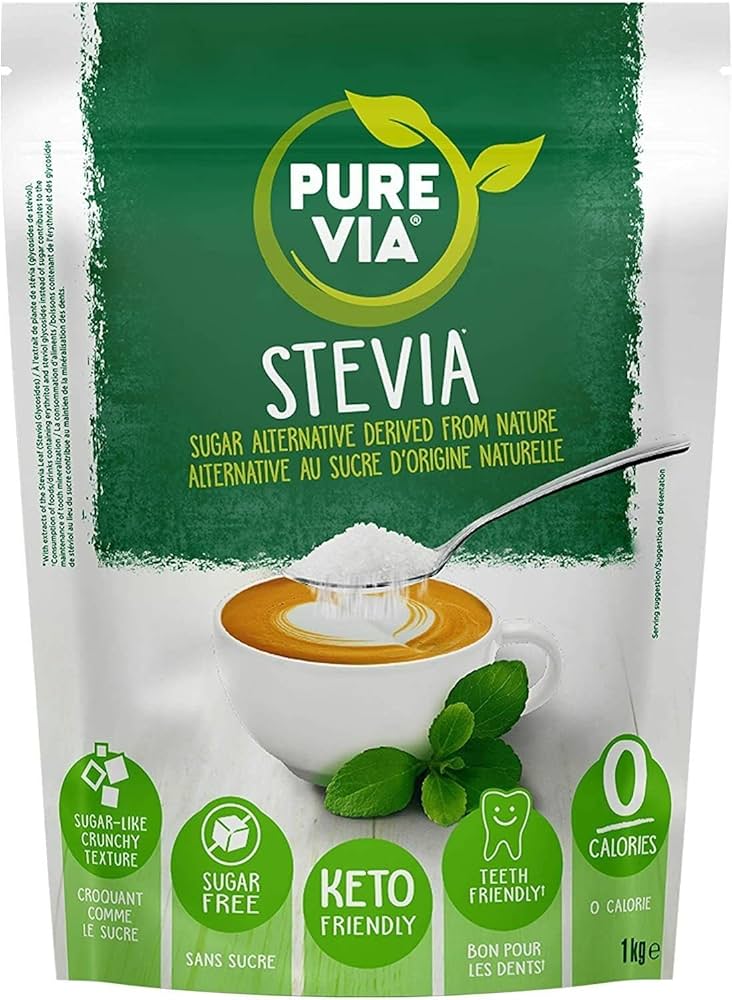
The Natural Sweetener: Stevia
Stevia, the natural sweetener, has been a topic of discussion among health enthusiasts and scientists for years. This plant-based sugar substitute is extracted from the leaves of the stevia plant and has gained popularity due to its zero-calorie properties. But what makes stevia so special? Let’s dive into the world of stevia and explore its benefits, uses, and potential drawbacks.
What is Stevia?
Stevia is a natural sweetener that comes from the leaves of the stevia plant (Stevia rebaudiana). In its natural form, stevia has a sweetness 10-15 times higher than regular sugar. However, when processed into a powdered white form, it can become up to 70-400 times sweeter than refined sugar.
The Key Players: Stevioside and Rebaudioside
The magic behind stevia’s sweetness lies in its unique composition of compounds like stevioside, rebaudioside A, rebaudioside C, and dulcoside A. These substances work together to provide the sweet flavor we’re familiar with.
A Brief History of Stevia
Stevia has been used for centuries as a natural sweetener in South America, particularly in Brazil and Paraguay. However, its popularity grew significantly after 2011 when the European Union gave it official approval for sale.
Benefits of Stevia
So, what makes stevia so appealing? Here are some benefits that have contributed to its widespread use:
- Zero Calories: Stevia is calorie-free, making it an excellent choice for those watching their weight or following a low-calorie diet.
- No Glycemic Index: Unlike sugar, which can cause blood sugar spikes, stevia does not affect the glycemic index. This means it won’t contribute to insulin resistance, diabetes, or other health problems associated with high blood sugar levels.
- Natural and Non-Toxic: Stevia is made from a plant extract, making it a non-toxic alternative to artificial sweeteners like aspartame and sucralose.
- Antioxidant Properties: Stevia contains antioxidants that can help protect against oxidative stress, inflammation, and cell damage.
- Blood Pressure Regulation: Some studies suggest that stevia may help regulate blood pressure due to its potential effects on the kidneys and cardiovascular system.
How to Use Stevia
Stevia is available in various forms, including powder, tablets, and liquid extracts. It can be used as a substitute for sugar in cooking, baking, and even beverages like coffee and tea.
Indications for Using Stevia
While stevia is generally considered safe, there are some specific situations where it’s recommended:
- Diabetes Management: Stevia may help manage blood sugar levels due to its negligible effect on the glycemic index.
- Glucose Intolerance: Individuals with glucose intolerance can benefit from stevia as a natural sweetener without affecting their insulin sensitivity.
- Low-Calorie Diet: Those following a low-calorie diet or watching their weight can use stevia to satisfy their sweet tooth without consuming excess calories.
Recommended Daily Intake
According to research, the recommended daily intake of stevia is 0-4 mg/kg body weight. This translates to:
- 240 mg per day for women weighing 60 kg
- 280 mg per day for men weighing 70 kg
However, it’s always best to consult with a healthcare professional before starting any new supplement or making significant changes to your diet.
Conclusion
Stevia is a natural sweetener that has gained popularity in recent years due to its unique properties and potential health benefits. While it may not be suitable for everyone, stevia can be a great alternative to refined sugar for those looking for a healthier option. With its zero-calorie properties, non-toxic nature, and antioxidant effects, stevia is definitely worth considering as a natural sweetener in your diet.
Frequently Asked Questions
- Is Stevia Safe?
- Stevia is generally considered safe by health organizations worldwide, but it’s always best to consult with a healthcare professional before using it.
- Does Stevia Cause Weight Gain?
- No, stevia does not contribute to weight gain due to its zero-calorie properties.
- Can I Use Stevia for Diabetes Management?
- Yes, stevia may help manage blood sugar levels and is recommended for individuals with diabetes or glucose intolerance.
- How Much Stevia Can I Consume Daily?
- The recommended daily intake of stevia is 0-4 mg/kg body weight, which translates to 240 mg per day for women weighing 60 kg and 280 mg per day for men weighing 70 kg.
- Can I Use Stevia with Medications?
- It’s best to consult with a healthcare professional before using stevia if you’re taking any medications or have underlying health conditions.
- Is Stevia Suitable for Pregnant Women?
- There is limited research on the safety of stevia during pregnancy, but it’s generally recommended to avoid using it as a precautionary measure.
- Can I Use Stevia with Other Sugar Substitutes?
- While stevia can be used with other sugar substitutes like erythritol and xylitol, it’s best to consult with a healthcare professional before making any significant changes to your diet.
By understanding the benefits and potential drawbacks of stevia, you can make informed decisions about incorporating this natural sweetener into your diet.


