
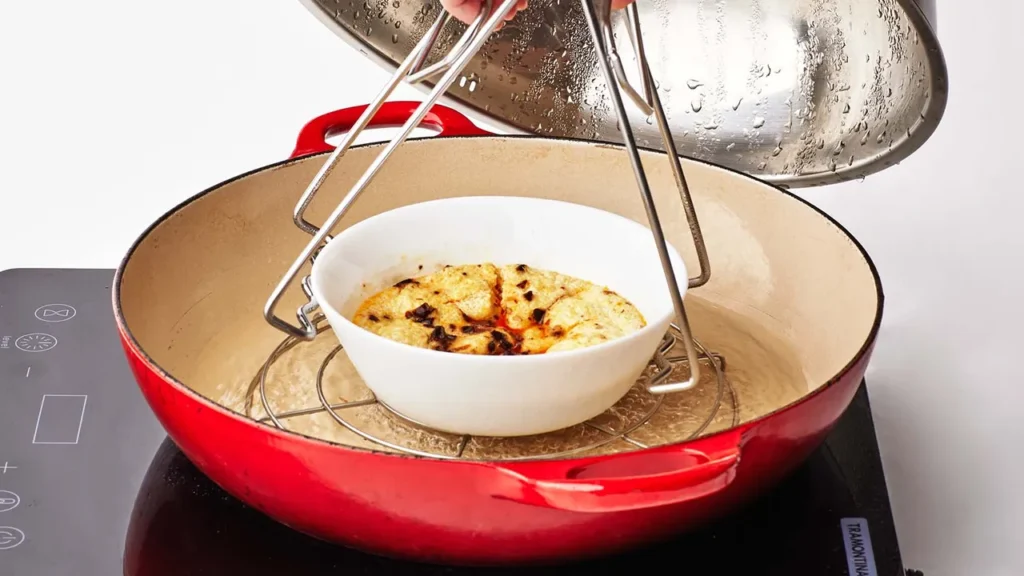
Steaming is one of the most effective cooking methods for maximizing flavor and color in food, while retaining high levels of nutrients. Unlike conventional cooking methods that can lead to significant nutrient loss, steaming is a gentle process that preserves the nutritional value of ingredients.
Why Steam Your Food?
For those seeking eco-friendly cookware options, steamers are a top choice. Alongside pressure pots, steamers respect the nutritional and sensory properties of food. Conventional cooking methods can result in significant losses of precious nutrients, such as glucosinolates found in broccoli, cauliflower, and cabbage, which play a crucial role in cancer prevention.
Steaming is an excellent alternative to conventional cooking for your health and taste buds! By choosing this method, you’ll not only enhance the flavor and appearance of your meals but also ensure that you retain most of the nutrients present in your food.
Getting Started with Steaming
There are several types of steamers available, including electric vaporizers, stovetop vaporizers, and classic vaporizers (also known as bamboo steamers). Each type offers unique benefits:
- Electric vaporizers allow for simultaneous cooking of multiple dishes while incorporating aromatic infusers that add a touch of flavor.
- Stovetop vaporizers use heat to cook food using a traditional pot or steamer basket, often integrated into the stovetop design.
- Classic vaporizers utilize steam generated by boiling water in a separate vessel.
Steamer Types: Choosing the Right One for You
To make an informed decision about which steamer is right for you:
- Consider your cooking style and needs. For example, if you frequently cook multiple dishes simultaneously, an electric vaporizer may be the best choice.
- Assess your available kitchen space and storage capacity. Classic vaporizers can be more compact and take up less storage space than other options.
Bamboo Steamers: A Budget-Friendly Option
If you’re looking for a cost-effective solution while still enjoying the benefits of steaming, consider bamboo steamers. These eco-friendly vessels are easy to clean and maintain but may not be as durable as other materials.
Steaming with Ease: Tips and Tricks
To get the most out of your steamer:
- Always use filtered water to prevent mineral buildup.
- Avoid overloading the steamer basket, ensuring all food items have enough space for proper cooking.
- Experiment with various seasonings and aromas to add flavor to your dishes.
Popular Steaming Options
Some popular steaming options include:
- Steak
- Fish
- Shrimp
- Vegetables
Steaming is a versatile technique that can be applied to a wide range of ingredients. For more information on cooking times and specific recipes, please visit our article “Tempi di cottura a vapore” (Steam Cooking Times).
With steaming, you can achieve perfectly cooked meals that retain their natural nutrients and flavors. Give it a try today!
Frequently Asked Questions
- What are the benefits of steaming?
Steaming is an excellent cooking method for retaining nutrient levels in food while preserving flavor and color. - Why should I choose steamers over other cookware options?
Steamers respect the nutritional properties of ingredients, unlike conventional cooking methods that can result in significant losses of nutrients. - What types of steamer are available?
Electric vaporizers, stovetop vaporizers, and classic vaporizers (bamboo steamers) offer unique benefits and designs to suit different cooking needs. - How do I clean my steamer?
Regularly cleaning your steamer will help prevent mineral buildup and ensure optimal performance. - What are some popular dishes to cook using a steamer?
Steak, fish, shrimp, and vegetables are just a few examples of delicious ingredients that can be cooked using a steamer.
By embracing the art of steaming, you’ll unlock a world of flavorful and nutritious meals that cater to your needs. Whether you’re looking for a new cooking technique or simply seeking healthier meal options, steaming is an excellent choice for achieving optimal results.
The Science Behind Steaming
Steaming works by utilizing steam to cook food, which helps retain nutrients and flavors. Here’s how it works:
- When water is heated in a steamer, it turns into steam.
- The steam rises through the steamer basket, cooking the food evenly.
- As the steam touches the food, it cooks the ingredients quickly and gently, preserving their natural flavors and textures.
Nutrient Retention: Steaming’s Greatest Benefit
One of the most significant advantages of steaming is its ability to retain nutrients in food. When cooked using conventional methods, nutrients can be lost through heat, water, and cooking time. However, steaming helps preserve these essential nutrients by:
- Cooking food quickly, reducing the amount of time spent at high temperatures.
- Utilizing minimal amounts of water, minimizing the loss of minerals and electrolytes.
Steaming’s Impact on Food Safety
Steaming is also a safe way to cook food. Since it involves minimal contact with hot surfaces or sharp objects, steaming reduces the risk of cross-contamination and burns. Here are some benefits:
- Reduced risk of bacterial contamination: Steaming uses steam instead of water, which eliminates the risk of bacterial growth.
- Lower risk of scalding: Steam cooking eliminates the risk of scalding or burns from hot surfaces.
Steaming’s Versatility
Steaming is an incredibly versatile technique that can be applied to a wide range of ingredients. From delicate vegetables and seafood to tougher cuts of meat, steaming can help achieve perfectly cooked meals every time. Here are some popular steaming options:
- Vegetables: Broccoli, cauliflower, carrots, green beans, and peas.
- Seafood: Shrimp, fish, scallops, and mussels.
- Meat: Steak, chicken, pork chops, and lamb.
Steaming for Specific Nutrient Retention
Different types of nutrients are retained differently during steaming. Here’s a breakdown:
- Water-soluble vitamins (B, C, and D): These vitamins are sensitive to heat and water, making them more susceptible to loss during cooking.
- Fat-soluble vitamins: These vitamins are less affected by heat and water, ensuring they remain in the food during steaming.
Steaming’s Impact on Food Texture
Steaming can help retain food texture by:
- Cooking food quickly: Steam cooks food rapidly, preserving its natural texture.
- Using minimal water: The minimal amount of water used in steam cooking helps prevent overcooking and texture loss.
Common Mistakes to Avoid When Steaming
To ensure the best results from your steamer, avoid these common mistakes:
- Overloading the steamer basket: Leave enough space between food items for proper cooking.
- Using dirty equipment: Regularly clean your steamer to prevent mineral buildup and bacterial growth.
- Not monitoring temperature: Ensure steam is at a safe temperature (180°F – 190°F) to avoid overcooking or undercooking.
Steaming’s Impact on Food Flavor
Steaming can enhance food flavor by:
- Preserving natural flavors: Steam cooking helps retain the natural flavors of ingredients.
- Adding aromas: Many steamer designs incorporate aromatic infusers that add a touch of flavor to your meals.
Conclusion
Steaming is an excellent cooking method for retaining nutrient levels in food while preserving flavor and color. By embracing this technique, you’ll unlock a world of flavorful and nutritious meals that cater to your needs. With the right steamer, tips, and tricks, you can achieve perfectly cooked meals every time. Whether you’re looking for healthier meal options or simply seeking new cooking techniques, steaming is an excellent choice for achieving optimal results.
Tips for Steaming Beginners
- Start with simple recipes: Begin with basic steamed vegetables or seafood dishes to get familiar with the technique.
- Experiment with seasonings: Try different seasonings and aromas to enhance your meals.
- Practice makes perfect: Don’t be discouraged if you encounter setbacks; keep practicing, and you’ll soon become a steaming pro.
Common Questions
- What is the ideal temperature for steaming?
The ideal temperature for steaming is between 180°F – 190°F (82°C – 88°C). - How do I clean my steamer?
Regularly cleaning your steamer will help prevent mineral buildup and bacterial growth. - Can I steam delicate fish?
Yes, many types of fish can be steamed to perfection, but it’s essential to follow specific cooking times and temperatures.
Nutrient Retention in Specific Foods
Here are some nutrient retention statistics for popular foods:
- Broccoli: 95% vitamin C retention
- Cauliflower: 90% vitamin C retention
- Carrots: 80% vitamin A retention
By understanding the science behind steaming and incorporating this technique into your cooking routine, you’ll unlock a world of flavorful and nutritious meals that cater to your needs. Whether you’re seeking healthier meal options or simply looking for new cooking techniques, steaming is an excellent choice for achieving optimal results.


