
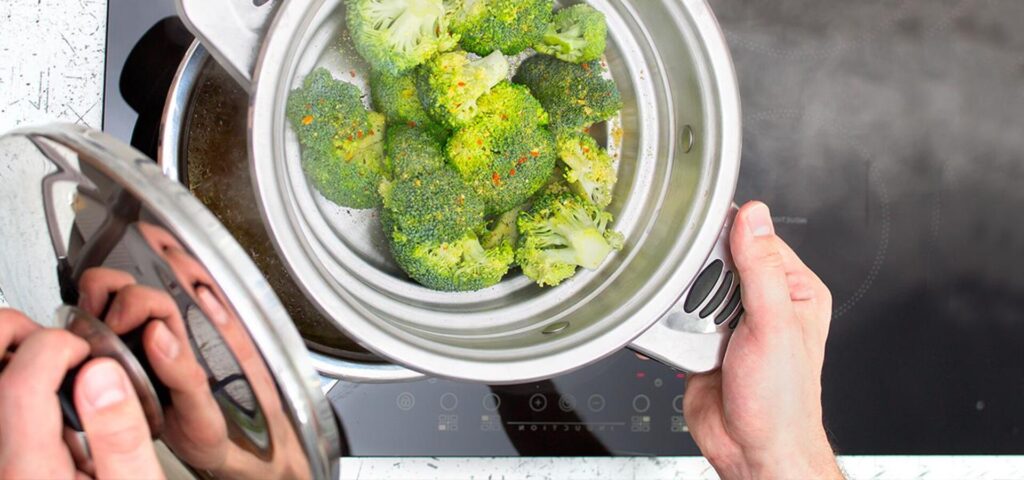
Steaming is a cooking method that has been around for thousands of years, with ancient civilizations such as the Chinese and Egyptians using it to prepare meals. This technique involves using steam to cook food, which allows for the retention of nutrients without losing them to water or fat. In this article, we will explore the benefits of steaming, discuss the equipment needed for steaming, compare it to boiling, provide a step-by-step guide on how to steam food, and offer tips for steaming vegetables and meat.
Benefits of Steaming
Steaming is considered a healthy cooking method because it allows food to retain its nutrients without losing them to water or fat. When food is steamed, the heat from the steam cooks the food evenly, helping to break down connective tissues and make it tender. This results in a more nutritious meal that is rich in flavor.
Equipment Needed for Steaming
There are several ways to steam food, including using a vaporizer, an electric kettle, or even a microwave-safe container with a metal lid. Some people also use specialized equipment like a steamer basket or a pressure cooker with a steaming function. Here are some options:
- Vaporizer: A vaporizer is a device that heats water to produce steam, which can then be directed at food.
- Electric Kettle: An electric kettle is a fast and efficient way to boil water for steaming.
- Microwave-Safe Container with Metal Lid: This method uses a microwave-safe container with a metal lid to trap the steam and cook the food.
- Steamer Basket: A steamer basket is a specialized basket that can be placed over a pot of boiling water to steam food.
- Pressure Cooker with Steaming Function: Some pressure cookers come with a steaming function, which allows for cooking food using steam.
Steaming vs. Boiling: What’s the Difference?
When it comes to cooking vegetables, there are two main methods: boiling and steaming. While both methods can be effective, they have different effects on the food.
- Boiling: When food is boiled, it loses a significant amount of nutrients in the water. This is because heat from the stove or pot breaks down the cell walls, releasing these nutrients into the surrounding liquid.
- Steaming: Steaming, on the other hand, helps preserve more of the food’s natural nutrients. The high heat generated by the steam cooks the food evenly and quickly, allowing it to retain its nutritional value.
How to Steam Food
Steaming is a relatively simple process that requires some basic equipment and technique. Here are the steps:
- Choose Your Equipment: Select one of the methods mentioned above or use a specialized steamer basket.
- Prepare Your Ingredients: Wash, peel, and chop your food according to your recipe.
- Fill Your Steaming Vessel: Fill the vessel with water to the recommended level, leaving enough room for the steam to build up.
- Bring the Water to a Boil: Place the vessel over high heat and bring the water to a boil.
- Add Your Food: Carefully place your food into the steaming basket or directly into the vessel.
- Steam Your Food: Once the steam has built up, cover the vessel with a lid and let it cook for the recommended amount of time.
Steaming vs. Microwaving: Which is Better?
While microwaves can be convenient and quick, they often result in overcooked or mushy food. Steaming, on the other hand, helps preserve more nutrients and texture because it cooks food evenly and gently.
Tips for Steaming Vegetables
Here are some tips for steaming vegetables:
- Use Fresh Ingredients: The fresher your ingredients, the better they will taste and retain their nutritional value.
- Don’t Overcook: Steam your vegetables until they’re tender but still crisp. Overcooking can result in a loss of nutrients and texture.
- Add Flavor: Add herbs, spices, or lemon juice to your steaming water for extra flavor.
Steaming Meat and Seafood
Steaming is also effective for cooking meat and seafood. Here are some tips:
- Choose the Right Cut: Select cuts that are suitable for steaming, such as chicken breasts or fish fillets.
- Don’t Overcook: Steam your meat until it’s cooked through but still juicy. Overcooking can result in dry, tough meat.
- Add Flavor: Add aromatics like garlic or ginger to the steaming water for extra flavor.
Steaming Tips and Tricks
Here are some additional tips and tricks for steaming:
- Use a Steamer Basket with Multiple Racks: This allows for cooking multiple dishes at once, making it a great option for large families.
- Add Aromatics to the Steaming Water: Onions, carrots, and celery can add flavor to your steamed food.
- Don’t Steam Food Too Long: Overcooking can result in a loss of nutrients and texture.
Steaming vs. Slow Cooking: What’s the Difference?
Slow cooking is a method of cooking that involves heating food over low heat for an extended period of time. While slow cooking can be effective, it often results in a loss of nutrients and flavor compared to steaming. Steaming, on the other hand, helps preserve more nutrients and texture because it cooks food evenly and quickly.
Steaming for Beginners
For those new to steaming, here are some tips:
- Start with Simple Recipes: Begin with simple recipes that require minimal ingredients and equipment.
- Experiment with Different Ingredients: Try different vegetables, meats, and seasonings to find your favorite ways to steam food.
- Practice Makes Perfect: Don’t be discouraged if it takes a few attempts to get the hang of steaming. Practice makes perfect!
Conclusion
Steaming is a healthy and delicious cooking method that helps preserve more nutrients and texture. With the right equipment and technique, you can create a wide variety of dishes using this method. Experiment with different ingredients and seasonings to find your favorite ways to steam food!


