
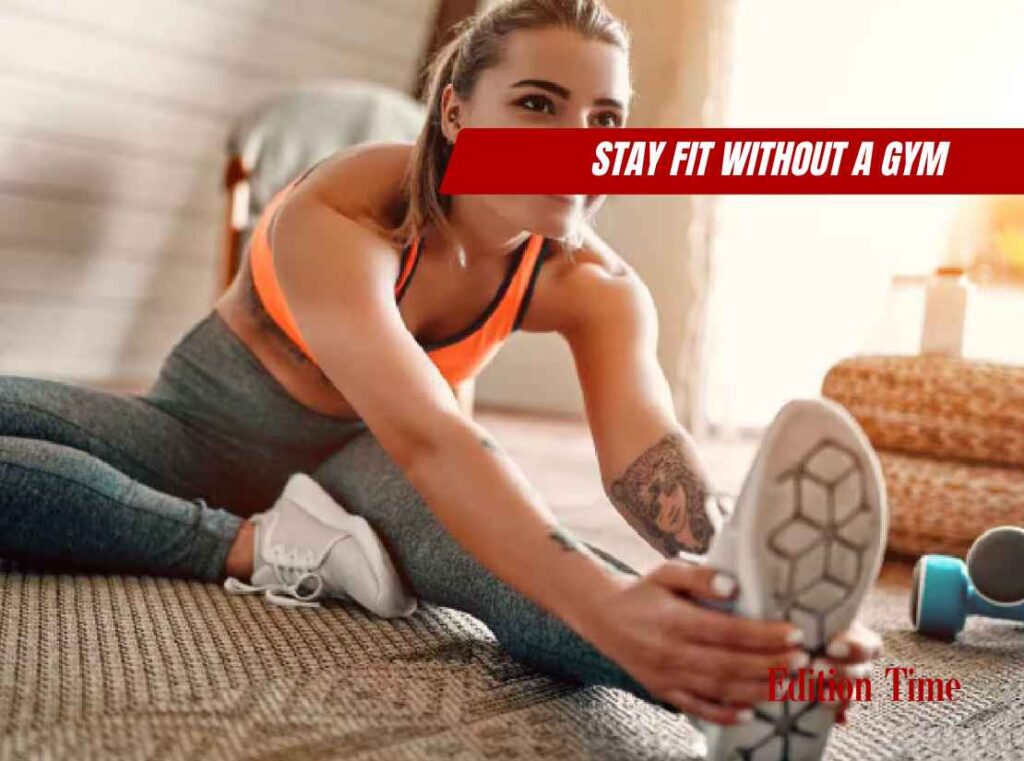
Discover proven ways to stay fit without a gym membership. Learn effective home workouts, outdoor activities, and lifestyle changes that keep you healthy and strong anywhere.
Last year, when my gym closed unexpectedly and I couldn’t afford the premium membership at the fancy new facility that replaced it, I panicked. I had convinced myself that fitness was impossible without machines, weights, and that motivating gym atmosphere. For weeks, I used the lack of gym access as an excuse to abandon exercise entirely, watching my energy levels plummet and my clothes get progressively tighter.
The wake-up call came when I realized I was using gym dependency as a crutch for my own lack of creativity and commitment. Some of the fittest people I knew had never set foot in a gym, while I was treating it like the only possible path to health.
What followed was a journey of discovery that completely transformed my relationship with fitness. I learned that effective exercise doesn’t require expensive equipment or memberships—it requires understanding how to use your body, your environment, and simple tools to create sustainable, enjoyable movement practices.
If you’ve been avoiding fitness because of cost, time, or accessibility barriers, or if you’re tired of depending on gym memberships for your health, these proven strategies could help you build strength, endurance, and vitality using nothing more than creativity and consistency.
Rethinking Fitness Beyond the Gym
The fitness industry has convinced many people that health requires expensive memberships, complicated equipment, and specialized facilities. In reality, humans maintained excellent fitness for thousands of years without any of these modern conveniences.
Dr. Mark Sisson, an exercise physiologist and author, explains that “the most sustainable fitness approaches use natural movement patterns and work with your body’s design rather than against it. These can be practiced anywhere with minimal or no equipment.”
Why Gym-Free Fitness Often Works Better
Home and outdoor workouts eliminate common exercise barriers like commute time, crowded facilities, and intimidating environments that prevent many people from exercising consistently.
Without gym dependency, you develop genuine fitness independence and the ability to maintain your health regardless of circumstances, travel, or life changes.
Natural movement patterns often provide more functional strength than isolated machine exercises, translating better into real-world activities and daily life demands.
I discovered that I actually exercised more consistently without a gym because I could fit movement into my schedule more flexibly and didn’t have excuses about travel time or facility availability.
Bodyweight Exercises That Build Real Strength
Your body provides all the resistance needed for building strength, endurance, and flexibility. Bodyweight exercises can be progressively modified to challenge any fitness level.
Upper Body Strength Without Weights
Push-ups target chest, shoulders, and triceps while engaging your core for stability. Modify by doing them on your knees, against a wall, or elevate your feet for increased difficulty.
Pike push-ups shift emphasis to shoulders by placing your hands on the ground and walking your feet closer to create an inverted V shape.
Tricep dips using a chair or couch effectively target the back of your arms while improving functional pressing strength.
I progressed from knee push-ups to full push-ups to declined push-ups over several months, proving that bodyweight training can provide continuous challenge and improvement.
Lower Body Power and Endurance
Squats build leg and glute strength while improving mobility and functional movement patterns. Progress from bodyweight squats to single-leg squats or jump squats.
Lunges in multiple directions target different muscle groups while improving balance and coordination. Try forward, reverse, lateral, and walking lunges.
Single-leg deadlifts challenge balance while strengthening hamstrings and glutes. Use a wall for support initially if balance is challenging.
Step-ups using stairs or a sturdy platform provide excellent leg strengthening that translates directly to daily activities like climbing stairs.
Core Strength and Stability
Planks build total core strength while teaching proper spinal alignment. Progress from knee planks to full planks to single-arm or single-leg variations.
Mountain climbers combine core strengthening with cardiovascular challenge, providing efficient full-body exercise in minimal time.
Dead bugs teach core control by challenging your ability to maintain spinal position while moving your limbs independently.
I found that bodyweight core exercises were more effective than the ab machines I’d used at the gym because they required real stability and coordination.
High-Impact Cardio Without Equipment
Cardiovascular fitness doesn’t require treadmills or elliptical machines. High-intensity bodyweight exercises can provide excellent cardio benefits while building strength simultaneously.
Interval Training Protocols
High-Intensity Interval Training (HIIT) alternates between intense effort and recovery periods, providing maximum cardiovascular benefit in minimal time.
Tabata protocol involves 20 seconds of maximum effort followed by 10 seconds of rest, repeated for 4 minutes. This can be applied to any exercise.
Circuit training combines multiple exercises performed consecutively with minimal rest, keeping your heart rate elevated while targeting different muscle groups.
I use 15-20 minute HIIT sessions three times per week and get better cardiovascular benefits than I ever achieved with hours of steady-state cardio at the gym.
Cardio-Strength Combinations
Burpees combine squats, push-ups, and jumps into one comprehensive movement that challenges both strength and cardiovascular systems.
Jump squats and split jump lunges add plyometric elements that improve power while providing intense cardio challenge.
Bear crawls and crab walks engage multiple muscle groups while elevating heart rate and improving coordination.
Boxing combinations using shadow boxing movements provide excellent cardio while improving coordination and stress relief.
Outdoor Activities for Natural Fitness
Nature provides the ultimate gym with varied terrain, fresh air, and changing conditions that challenge your body in ways that indoor exercise cannot replicate.
Walking and Hiking for Foundation Fitness
Brisk walking provides excellent cardiovascular exercise while being accessible to virtually any fitness level and requiring no special equipment beyond comfortable shoes.
Hill walking or stair climbing adds intensity and strength-building elements to basic walking routines.
Nature hiking combines cardiovascular exercise with stress relief and vitamin D exposure that indoor exercise cannot provide.
I started taking walking meetings for work calls, combining productivity with movement and often finding that creativity and problem-solving improved during these sessions.
Running and Jogging Programs
Couch-to-5K programs provide structured progression from walking to running that prevents injury while building endurance gradually.
Interval running alternates between faster and slower paces, providing variety and preventing the boredom of steady-pace running.
Trail running adds variety and challenge through changing terrain while reducing the joint impact of pavement running.
Functional Outdoor Movements
Park bench workouts use playground equipment for exercises like step-ups, tricep dips, and incline push-ups.
Beach or sand workouts add instability that challenges stabilizing muscles while providing resistance for movements like running or jumping.
Swimming provides full-body, low-impact exercise that builds both strength and endurance while being gentle on joints.
Creating Effective Home Workout Routines
Successful home fitness requires structure and planning to ensure balanced training and consistent progression without the guidance of gym equipment or trainers.
Designing Balanced Weekly Programs
Include cardiovascular exercise 3-4 times per week through HIIT sessions, running, or vigorous activities like dancing or active cleaning.
Strength training 2-3 times per week should target all major muscle groups using bodyweight exercises or simple equipment like resistance bands.
Flexibility and mobility work daily helps prevent injury and improves overall movement quality. This can include yoga, stretching, or tai chi.
I follow a simple schedule: Monday and Thursday for upper body strength, Tuesday and Friday for lower body strength, Wednesday for cardio, and weekend outdoor activities.
Progressive Overload Without Weights
Increase repetitions gradually as exercises become easier, progressing from 8-10 reps to 15-20 reps before advancing to harder variations.
Add complexity through single-limb variations that challenge balance and coordination while increasing difficulty.
Incorporate time-based challenges like holding planks longer or completing circuits faster to measure and improve performance.
Combine exercises into compound movements that work multiple muscle groups simultaneously for greater challenge and efficiency.
Minimal Equipment, Maximum Results
A few simple, inexpensive pieces of equipment can dramatically expand your home workout options without requiring significant space or investment.
Resistance Bands for Strength Training
Resistance bands provide variable resistance that challenges muscles throughout the entire range of motion, unlike weights that only provide resistance in one direction.
Multiple resistance levels can be achieved with different band strengths or by adjusting grip position and pre-stretching.
Bands are portable and versatile, allowing for strength training anywhere and taking up virtually no storage space.
I keep resistance bands in my car for quick workouts during travel or when I have extra time between appointments.
Jump Rope for Cardio Excellence
Jump rope provides intense cardiovascular exercise while improving coordination, agility, and timing in minimal space.
Different jumping styles (single foot, double unders, crisscross) add variety and progressive challenge to prevent boredom.
High calorie burn makes jump rope one of the most time-efficient cardio exercises available.
Yoga Mat for Comfort and Definition
A yoga mat provides cushioning for floor exercises and defines your workout space, creating psychological boundaries that help maintain focus.
Mats improve hygiene when exercising at home and provide traction for movements that might be slippery on hard floors.
Portability allows outdoor workouts in parks or other locations while maintaining comfort and cleanliness.
Nutrition Support for Home Fitness
Exercise alone isn’t sufficient for optimal health and fitness. Proper nutrition supports your workout efforts and provides energy for consistent training.
Fueling Home Workouts
Pre-workout nutrition should provide easily digestible energy without causing stomach upset during exercise. Light snacks 30-60 minutes before exercising work well.
Post-workout nutrition within 30 minutes helps with recovery and muscle building. Combining protein and carbohydrates optimizes recovery.
Hydration throughout the day becomes more important when exercising at home because you may not have the water fountains and reminders available at gyms.
I meal prep simple post-workout snacks like Greek yogurt with berries or apple slices with almond butter to ensure proper recovery nutrition is always available.
Supporting Recovery and Adaptation
Adequate protein intake supports muscle recovery and building, particularly important when doing strength-focused bodyweight exercises.
Anti-inflammatory foods like berries, leafy greens, and fatty fish help reduce exercise-induced inflammation and speed recovery.
Quality sleep becomes even more crucial when exercising at home because you’re responsible for all aspects of your fitness program without professional guidance.
Staying Motivated Without Gym Community
One of the biggest challenges of home fitness is maintaining motivation without the social energy and accountability that gyms can provide.
Creating Accountability Systems
Workout buddies via video calls can provide mutual motivation and accountability even when exercising separately.
Social media fitness groups offer community support and ideas while allowing you to share progress and challenges.
Fitness apps with tracking features provide objective measures of progress and can gamify your fitness routine.
I joined an online fitness community where members share daily workouts and encourage each other, recreating the social aspect of gym fitness.
Setting and Tracking Goals
Specific, measurable goals like “complete 10 full push-ups” or “run for 20 minutes without stopping” provide clear targets and motivation.
Progress photos and measurements often show changes that the scale doesn’t reflect, particularly when building muscle through bodyweight exercises.
Fitness challenges like 30-day plank challenges or step-counting goals add variety and short-term motivation to long-term fitness routines.
Making Exercise Enjoyable
Music playlists can transform the energy of home workouts and help maintain intensity during challenging exercises.
Exercise variety prevents boredom and keeps workouts interesting. Try new YouTube fitness videos, outdoor routes, or exercise variations regularly.
Reward systems for achieving fitness goals help maintain motivation without relying on external validation from gym communities.
Overcoming Common Home Fitness Obstacles
Home fitness presents unique challenges that require specific strategies to overcome successfully.
Space Limitations
Vertical exercises like wall sits, wall push-ups, and standing movements maximize effectiveness in minimal floor space.
Furniture-based workouts use chairs, couches, and tables as exercise equipment, requiring no additional space.
Outdoor overflow takes advantage of yards, parks, or even parking lots when indoor space is insufficient.
I live in a small apartment but can complete effective full-body workouts in a 6×6 foot space by choosing appropriate exercises and using vertical space.
Distractions and Interruptions
Scheduled workout times treat exercise as important appointments that shouldn’t be interrupted except for emergencies.
Shorter, more frequent sessions can be easier to protect from interruptions than longer workout blocks.
Family involvement turns potential distractions into opportunities for shared activity and modeling healthy behaviors.
Lack of Professional Guidance
YouTube fitness channels provide professional instruction and variety for free, though quality varies significantly between creators.
Fitness apps offer structured programs with progression and modification guidance suitable for different fitness levels.
Online personal training provides professional guidance at a fraction of in-person training costs while maintaining home workout flexibility.
The journey from gym dependency to fitness independence has been one of the most empowering changes I’ve made in my health routine. Learning that my body is sufficient equipment for building strength, endurance, and vitalityfreed me from excuses and external limitations.
Home fitness isn’t a compromise or second-best option—it’s often superior to gym-based exercise because it’s more convenient, sustainable, and functional for real-world activities and long-term health maintenance.
The key is starting with realistic expectations, building consistency before intensity, and viewing fitness as a lifestyle practice rather than a temporary project requiring perfect conditions. Your health and strength are too important to depend on external facilities or circumstances beyond your control.



