
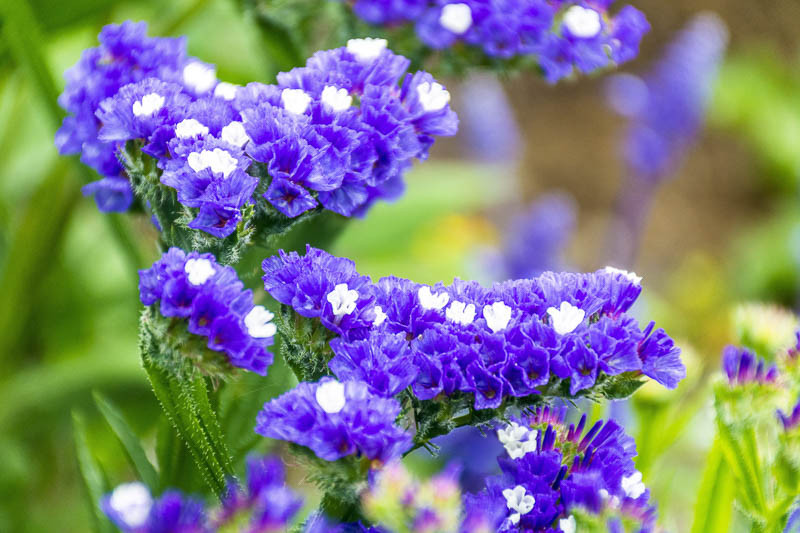
Statice, also known as Limonium, is a flowering plant that has been a popular choice for gardeners and flower enthusiasts alike. With its unique characteristics and versatility, it’s no wonder why this plant has become a staple in many gardens and compositions.
In this article, we’ll delve into the world of Statice, exploring its characteristics, growth habits, and symbolic meaning. We’ll also cover how to cultivate Statice, care for it, and dry its flowers for use in arrangements.
Characteristics of Statice
Statice is a member of the Plumbaginaceae family and comes in various varieties, some more widely available than others. The sinuatum variety is one of the most commonly used for ornamental purposes, featuring strong purple flowers that are perfect for adding a touch of elegance to gardens, bouquets, and arrangements.
One of the interesting aspects of Statice is its nickname “flower of paper,” which refers to its delicate appearance. This nickname is apt, as the plant’s flowers resemble tiny pieces of paper when viewed up close.
Another variety worth mentioning is strictissimum, a species that is threatened by extinction due to climate change and habitat loss. Efforts are being made to conserve this species, but it serves as a reminder of the importance of protecting our natural world.
Varieties of Statice
Statice comes in a range of varieties, each with its unique characteristics and growth habits. Some of the most popular varieties include:
- Limonium sinuatum: This variety is known for its strong purple flowers and is often used as an ornamental plant.
- Limonium strictissimum: This species is threatened by extinction due to climate change and habitat loss, but conservation efforts are underway to protect it.
- Limonium boveanum: This variety is known for its delicate white flowers and is often used in bouquets and arrangements.
Where Statice Grows
Statice can be found growing wild in various regions, including the Mediterranean area, Asia Central, and the Canaries. It is particularly fond of coastal areas, where it thrives on sandy soil and salty air.
In some cases, Statice has even adapted to grow in inland areas, such as the paludose wetlands and salt-rich soils found along rivers. This adaptability is a testament to its resilience and ability to thrive in diverse environments.
The Beauty of Statice: A Symbolic Plant
When given as a gift, Statice is often associated with the concept of eternal love and beauty. Its delicate flowers and elegant appearance make it a popular choice for bouquets, arrangements, and compositions.
As we explore the world of Statice, we discover a plant that not only adds beauty to our surroundings but also holds symbolic meaning. Whether used in gardens, bouquets, or arrangements, Statice is sure to bring joy and elegance to any setting.
Cultivating Statice
Statice is a relatively easy plant to cultivate, making it accessible to gardeners of all skill levels. To ensure success, choose a location with plenty of sunlight and well-draining soil. The key is to provide the right balance of moisture and dryness, as overwatering can lead to disease and root rot.
In areas with extreme weather conditions, such as drought or excessive rainfall, it’s essential to monitor the plant’s needs closely. By doing so, you can help your Statice thrive and enjoy its beauty for years to come.
Tips for Growing Statice
- Choose a location with full sun to partial shade.
- Use well-draining soil to prevent root rot.
- Water regularly, but avoid overwatering.
- Fertilize sparingly, as Statice is sensitive to excessive nutrients.
- Deadhead flowers to encourage more blooms.
Harvesting and Drying Statice Flowers
To dry Statice flowers, carefully recut the petals while they are still closed. This will help prevent them from becoming brittle and breaking apart.
Next, tie the stems in mazzetti with other dried flowers, such as baby’s breath or oats. Place the stems in a shaded area or room to allow them to air dry completely.
Once dry, you can use your Statice flowers in bouquets, arrangements, and other decorative pieces. They make a beautiful addition to any arrangement, adding a touch of elegance and sophistication.
Conclusion
Statice is a versatile flower that offers numerous benefits for gardeners, flower enthusiasts, and those seeking a symbol of love and beauty. Whether used in gardens, bouquets, or arrangements, this delicate flower adds an air of elegance and sophistication to any setting.
As we continue to explore the world of Statice, remember to appreciate its unique characteristics, adaptability, and symbolic meaning. With proper care and attention, your Statice will thrive, providing you with countless opportunities to enjoy its beauty and elegance.
Frequently Asked Questions
- What is Statice?
Statice is a flowering plant belonging to the Plumbaginaceae family, known for its unique characteristics, versatility, and symbolic meaning. - Why is Statice called “flower of paper”?
The nickname refers to the plant’s delicate appearance, which resembles tiny pieces of paper when viewed up close. - Is Statice endangered?
Some varieties of Statice are threatened by extinction due to climate change and habitat loss, highlighting the importance of conservation efforts. - Where can I find Statice growing wild?
Statice can be found in various regions, including the Mediterranean area, Asia Central, and the Canaries, particularly along coastal areas with sandy soil and salty air. - How do I care for my Statice?
To ensure success, provide your Statice with plenty of sunlight, well-draining soil, and a balanced moisture level, taking care to avoid overwatering and root rot. - What is the symbolic meaning of Statice?
Statice is often associated with eternal love and beauty, making it a popular choice for bouquets, arrangements, and compositions. - Can I grow Statice indoors?
While Statice can thrive in indoor conditions, it requires proper care and attention to ensure success. - How do I dry Statice flowers for use in arrangements?
To dry Statice flowers, carefully recut the petals while they are still closed, then tie them in mazzetti with stems facing downwards in a shaded area or room.
By exploring the world of Statice, we can appreciate its unique characteristics, versatility, and symbolic meaning. Whether used in gardens, bouquets, or arrangements, this delicate flower adds an air of elegance and sophistication to any setting.


