
Running is one of the best ways to stay in shape, have fun, and train. However, there’s always a risk of injury. Fortunately, with the right approach, you can recover from an injury and get back into running.
Understanding the Importance of Proper Injury Management
The key to recovering from an injury is to manage it correctly and not push yourself too hard too soon. In general, following treatment and taking time off to rest will help your body heal. It’s essential to listen to your body and not rush back into training before you’re ready.
Proper injury management involves understanding the severity of your injury and tailoring a recovery plan accordingly. This may involve seeking professional medical attention if the injury is severe or persistent, as well as consulting with a physical therapist or running coach for personalized guidance. By prioritizing proper injury management, you can ensure that your body heals fully and that your running career remains healthy.
Preventing Injuries: Essential Tips for Runners
While preventing injuries is always the best option, there are some precautions you can take to reduce your risk:
- Wear proper footwear: Choose shoes that fit well and provide adequate support for your foot type (neutral, pronate, or supinate). Wearing supportive shoes will help distribute stress more evenly across your feet and legs.
- Stay hydrated: Drink plenty of water before, during, and after exercise to stay hydrated. Dehydration can exacerbate muscle cramps and lead to other complications, making it essential to stay hydrated in the first place.
- Maintain a healthy weight: Being overweight can put additional stress on your joints, increasing your risk of injury. Maintaining a healthy weight will help reduce this stress and minimize the risk of joint-related injuries.
- Stretch regularly: Stretching before and after exercise helps improve flexibility and reduce muscle soreness. Regular stretching can also help prevent overuse injuries by improving your range of motion and reducing muscle tension.
- Gradually increase intensity and distance: Gradually increasing the intensity and distance of your runs will help your body adapt to new demands without putting excessive stress on your muscles, tendons, and bones.
Common Running Injuries
Despite following proper injury management and prevention strategies, injuries can still occur. Common running injuries include:
- Shin splints: Pain in the lower leg due to overuse or poor biomechanics.
- Plantar fasciitis: Pain on the bottom of the foot due to inflammation of the plantar fascia tendon.
- Runner’s knee: Pain and stiffness in the knee joint due to overuse or poor tracking.
Causes of Shin Splints
Shin splints are a common running injury that is often caused by a combination of factors, including:
- Overuse: Running repetitive motions can put excessive stress on your muscles, tendons, and bones.
- Poor biomechanics: Runners with overpronation or flat feet may be more susceptible to shin splints due to increased stress on the lower leg muscles and tendons.
- Inadequate footwear: Wearing shoes that do not provide adequate support can exacerbate overuse injuries like shin splints.
Treatment for Shin Splints
The treatment for shin splints involves addressing both the symptoms and underlying causes of the injury. This may involve:
- Rest and ice: Giving your body time to heal by resting and applying ice to the affected area.
- Stretching and foam rolling: Improving flexibility and reducing muscle tension through stretching and foam rolling exercises.
- Strengthening exercises: Building strength in the lower leg muscles to prevent future overuse injuries.
- Orthotics or shoe inserts: Providing additional support for flat feet or other biomechanical issues that may contribute to shin splints.
Causes of Plantar Fasciitis
Plantar fasciitis is a common running injury that is often caused by inflammation of the plantar fascia tendon, which connects your heel bone to your toes. Causes of plantar fasciitis include:
- Overuse: Running repetitive motions can put excessive stress on the plantar fascia tendon.
- Poor footwear: Wearing shoes that do not provide adequate arch support or cushioning can exacerbate overuse injuries like plantar fasciitis.
- Biomechanical issues: Runners with flat feet, high arches, or other biomechanical issues may be more susceptible to plantar fasciitis due to increased stress on the plantar fascia tendon.
Treatment for Plantar Fasciitis
The treatment for plantar fasciitis involves addressing both the symptoms and underlying causes of the injury. This may involve:
- Rest and ice: Giving your body time to heal by resting and applying ice to the affected area.
- Stretching exercises: Improving flexibility in the foot, ankle, and calf muscles through stretching exercises.
- Strengthening exercises: Building strength in the lower leg muscles to prevent future overuse injuries.
- Orthotics or shoe inserts: Providing additional support for flat feet or other biomechanical issues that may contribute to plantar fasciitis.
Causes of Runner’s Knee
Runner’s knee is a common running injury that is often caused by inflammation of the cartilage in the knee joint. Causes of runner’s knee include:
- Overuse: Running repetitive motions can put excessive stress on the knee joint.
- Poor tracking: Runners with knees that do not track properly may be more susceptible to runner’s knee due to increased stress on the knee joint.
Treatment for Runner’s Knee
The treatment for runner’s knee involves addressing both the symptoms and underlying causes of the injury. This may involve:
- Rest and ice: Giving your body time to heal by resting and applying ice to the affected area.
- Strengthening exercises: Building strength in the quadriceps, hamstrings, and calf muscles to prevent future overuse injuries.
- Stretching exercises: Improving flexibility in the knee joint through stretching exercises.
Recovering from an Injury: A Step-by-Step Guide
If you’ve suffered a running injury, follow these steps to recover:
- Rest and ice: Give your body time to heal by resting and applying ice to the affected area.
- Physical therapy: Work with a physical therapist to address any biomechanical issues or strengthen weak muscles.
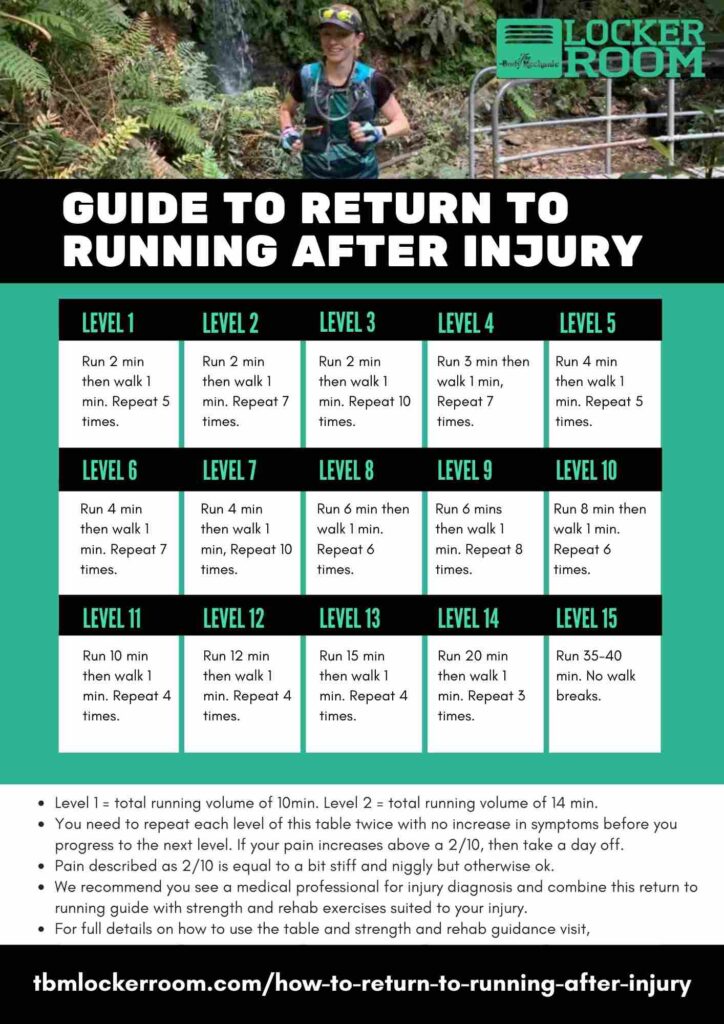
- Gradual return to running: Gradually increase your running intensity and distance over several weeks.
Tips for Returning to Running After an Injury
When returning to running after an injury, keep the following tips in mind:
- Start slow: Begin with short runs and gradually increase the distance and intensity.
- Listen to your body: If you experience pain or discomfort, stop and rest.
- Stay hydrated: Drink plenty of water before, during, and after exercise.
Common Injuries: How Long Do They Last?
The length of time an injury lasts depends on the severity of the injury. Some injuries may require a longer period of recovery than others:
- Mild sprains: 2-4 weeks to recover
- Moderate strains: 4-6 weeks to recover
- Severe fractures: Several months to recover
Conclusion
Recovering from an injury takes time and patience. By understanding the importance of proper injury management, following prevention strategies, and gradually returning to running, you can minimize the risk of injury and get back into your running routine. Don’t be afraid to seek professional medical attention if your injury is severe or persistent, and work with a physical therapist or running coach for personalized guidance on recovering from an injury.


