
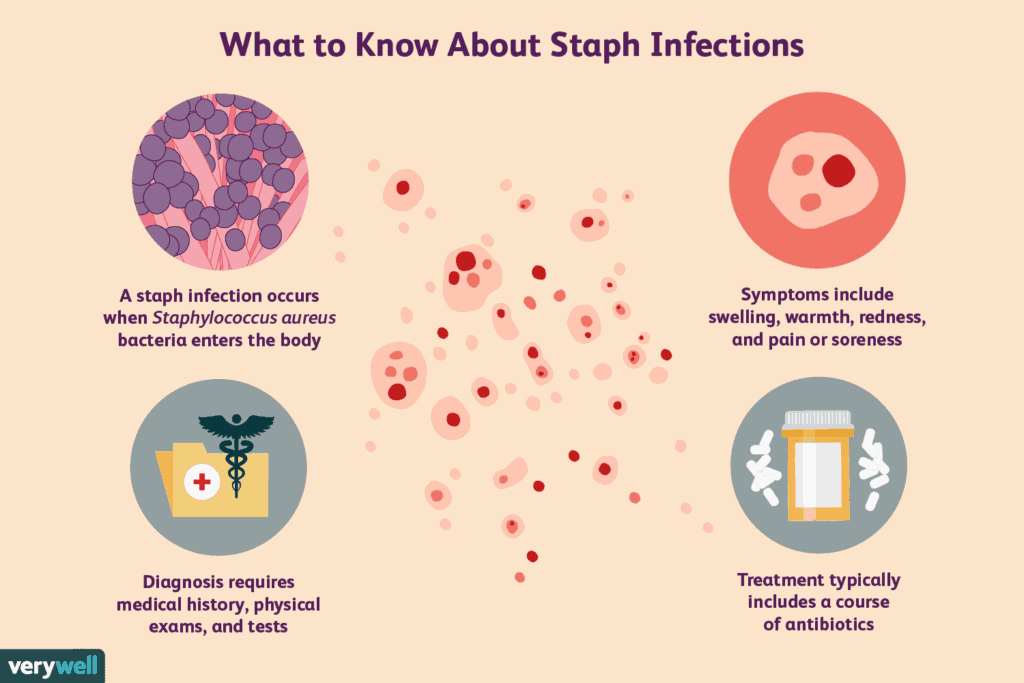
As we navigate the complexities of modern life, it’s easy to overlook the tiny microorganisms that surround us. One such microorganism is the staphylococcus bacterium, commonly known as Staphylococcus aureus. In this article, we’ll delve into the world of staphylococci, exploring what they are, their symptoms, and effective treatments.
What is Staphylococcus Aureus?
Staphylococcus aureus, or S. aureus, is a Gram-positive bacterium that has been around since 1884. It belongs to the family Staphylococcaceae and is typically found on human skin and mucous membranes. Despite its presence on healthy individuals, staphylococci can transform into pathogens, causing serious infections.
Why the Name “Aureus”?
The name “aureus” was coined because S. aureus cultures exhibit a golden pigment due to carotenoids, specifically zeaxanthin. This unique characteristic makes it easier to identify and distinguish from other staphylococcal species.
Staphylococcus: Contagion
Staphylococci can be contracted through skin-to-skin contact with an infected person or contaminated surface. The risk of infection increases when an individual has open wounds or cuts, which can provide a pathway for the bacteria to enter the body. Interestingly, staphylococci are aerobes by nature, meaning they require oxygen to survive, but they can also thrive in anaerobic conditions.
Transmission Methods
Staphylococcus aureus can be transmitted through:
• Skin-to-skin contact with an infected person
• Contaminated surfaces and objects
• Touching an infected person’s skin or respiratory secretions
• Sharing personal care items, such as towels or razors
Risk Factors
Certain individuals are more susceptible to staphylococcal infections due to factors such as:
• Age (children under 5 years old)
• Weakened immune system
• Skin conditions, such as eczema or psoriasis
• Recent surgery or hospitalization
• History of antibiotic use
Stafilococcus: Symptoms
The most common symptoms associated with staphylococcal infections include:
• Skin lesions resembling boils or abscesses
• Nodules on the skin, similar to acne
• Impetigo (bacterial skin infection)
• Cellulitis (inflammation of the skin and underlying tissues)
• Osteomyelitis (bone infections)
• Endocarditis (infection of the heart valves)
In severe cases, staphylococcal infections can spread to other parts of the body, such as the bloodstream, lungs, or joints.
Stafilococcus: Gola
When S. aureus infects the mucous membranes in the mouth and throat, it can cause:
• Tonsillitis
• Pharyngitis (sore throat)
• Sinus infections
In rare cases, staphylococcal bacteria can contaminate food or water, leading to gastrointestinal issues.
Stafilococcus in Pregnancy
During pregnancy, women are more susceptible to S. aureus infections. Common symptoms include:
• Gastrointestinal issues (nausea, vomiting, diarrhea)
• Oral thrush
• Skin lesions
• Mastitis (breast inflammation)
It’s essential to note that staphylococcal infections can be easily mistaken for viral illnesses. Before jumping to conclusions, consult a healthcare professional for proper diagnosis and treatment.
Stafilococcus: Treatment
Treatment for staphylococcal infections typically involves antibiotics or surgical drainage of the infection. In some cases, alternative therapies may be necessary due to antibiotic resistance. It’s crucial to seek medical attention promptly if you suspect you have a staphylococcal infection.
Antibiotics and Resistance
Antibiotic-resistant S. aureus strains are becoming increasingly common. When choosing an antibiotic treatment, it’s essential to work with your healthcare provider to determine the best course of action based on the severity and type of infection.
Surgical Drainage
In cases where the infection is severe or has spread to other parts of the body, surgical drainage may be necessary. This procedure involves removing the infected tissue or abscess to promote healing.
Alternative Therapies
While antibiotics are often the primary treatment for staphylococcal infections, alternative therapies may be recommended in certain cases. These include:
• Heat therapy (applying heat to reduce inflammation)
• Cold compresses
• Topical creams and ointments (containing ingredients like neomycin or polymyxin B)
Conclusion
Staphylococcus aureus is a common bacterium that can pose serious health risks. By understanding its characteristics, symptoms, and transmission methods, we can take proactive steps to prevent infections. Remember, if you’re experiencing symptoms or have concerns about staphylococcal infections, consult a healthcare professional for proper diagnosis and treatment.
Frequently Asked Questions (FAQs)
- Q: How can I prevent staphylococcal infections?
A: Practice good hygiene, wash your hands frequently, especially after touching open wounds or surfaces that may be contaminated. - Q: Can I spread staphylococci to others through touch?
A: Yes, if you have an active infection, you can transmit S. aureus to others through skin-to-skin contact. - Q: Are all staphylococcal infections serious?
A: No, while some infections may be mild and self-limiting, others can lead to severe complications if left untreated. - Q: Can I treat staphylococcal infections with over-the-counter medications?
A: No, it’s essential to consult a healthcare professional for proper diagnosis and treatment. - Q: Are there any specific foods that can trigger staphylococcal infections?
A: There is no direct link between food consumption and S. aureus infection; however, consuming contaminated food or water can lead to gastrointestinal issues. - Q: Can I get staphylococcal infections if I have a weakened immune system?
A: Yes, individuals with compromised immune systems are more susceptible to S. aureus infections. - Q: How common are staphylococcal infections in children?
A: Children under 5 years old are more prone to staphylococcal skin and soft tissue infections due to their developing immune system. - Q: Can I use home remedies to treat staphylococcal infections?
A: No, while some home remedies may provide temporary relief, they should not replace medical treatment or advice.
Prevention Strategies
To reduce the risk of staphylococcal infections:
• Wash your hands frequently with soap and water
• Avoid touching open wounds or surfaces that may be contaminated
• Practice good hygiene when sharing personal care items
• Keep clean and dry wounds covered
• Regularly wash bedding, towels, and clothing in hot water and mild detergent
By following these prevention strategies and seeking medical attention promptly if you suspect a staphylococcal infection, you can reduce your risk of developing this serious condition.


